For Doctors in a Hurry
- Clinicians lack objective data linking instrumental activities of daily living to physical activity levels in stable cardiovascular disease patients.
- The researchers conducted a cross-sectional study of 1126 stable cardiovascular disease patients using accelerometers to quantify daily physical activity.
- Higher activity scores correlated with increased daily steps (B=78.1), low-intensity activity (B=0.7), and moderate-to-vigorous activity (B=0.2) per day.
- The study concludes that greater frequency of daily living activities significantly correlates with higher objectively measured physical activity levels.
- Physicians should encourage leisure-related activities to promote meaningful physical activity engagement in patients with stable cardiovascular disease.
Functional Independence and Activity Maintenance in Chronic Cardiac Care
Maintaining functional independence in older adults requires a complex interplay between physical capacity and daily behavioral patterns. Regular aerobic activity is well-established as a primary intervention to reduce the risk of functional limitations and disability in aging populations [1]. However, sedentary behavior remains a pervasive challenge, with prolonged sitting time significantly increasing the risk of cardiovascular mortality independent of structured exercise [2]. While physical activity is a known protective factor against sarcopenia (the age-related loss of muscle mass and function) and cognitive decline, clinicians often rely on subjective patient reports that may not accurately reflect actual exertion levels [3, 4]. Recent consensus guidelines emphasize that exercise should be prescribed as a therapeutic agent with specific doses to optimize functional capacity [5]. A new study now examines how the frequency of complex daily tasks correlates with objective movement data in patients living with stable cardiovascular disease.
Quantifying Daily Movement in Stable Cardiovascular Disease
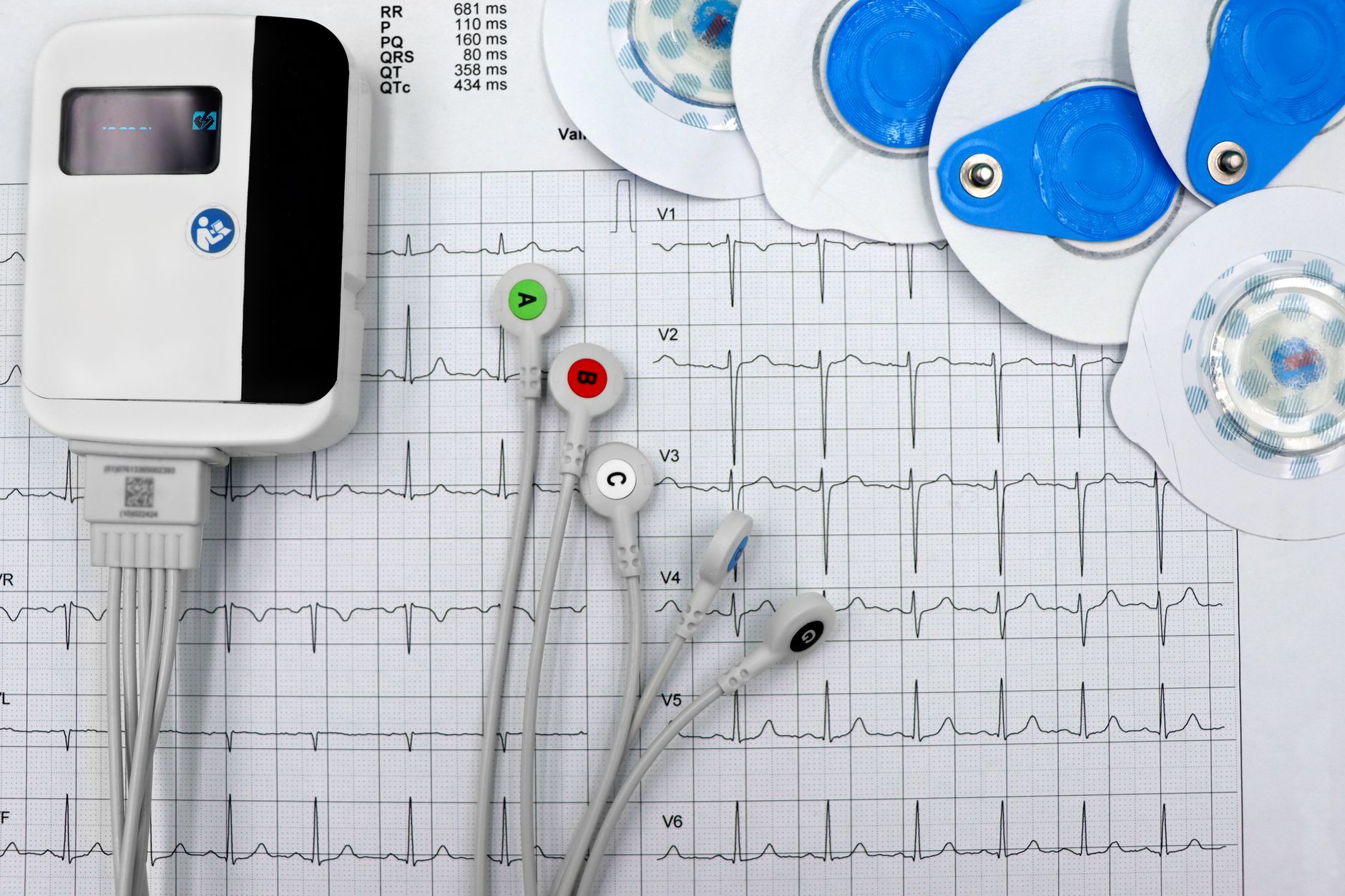
The researchers conducted a cross-sectional study to examine the association between the frequency of instrumental activities of daily living (IADL), which are complex tasks necessary for independent living such as housework or managing finances, and objectively measured physical activity in individuals with stable cardiovascular disease. The cohort consisted of 1,126 stable participants with cardiovascular disease who had been receiving outpatient care under stable conditions for at least 6 months. This population had a median age of 74.0 years and included 278 females. By focusing on patients who had maintained clinical stability for at least half a year, the study aimed to capture baseline activity levels rather than fluctuations associated with acute cardiac events or recent hospitalizations. To quantify daily task engagement, the researchers utilized the Frenchay Activities Index (FAI), a validated tool that assesses the frequency of 15 specific activities across domestic, leisure, and work domains. While traditional assessments often rely on patient recall, this study paired the FAI scores with objective data collected via accelerometers worn by participants over a 2-week period. These devices allowed for the precise calculation of three distinct metrics: the daily average number of steps, the duration of low-intensity physical activity (LPA) per day, and the duration of moderate-to-vigorous-intensity physical activity (MVPA) per day. By distinguishing between these intensities, the authors could determine how specific types of daily chores and social engagements contribute to the total volume and vigor of a patient's physical exertion.
Correlation Between Functional Tasks and Exertion Levels
To determine the relationship between daily task engagement and physical exertion, the researchers utilized a multivariate linear regression model (a statistical method used to predict the value of a variable based on the value of two or more other variables). This analysis examined the associations between the Frenchay Activities Index scores, including both the total score and individual sub-items, and physical activity levels. To ensure the accuracy of these correlations, the model was adjusted for clinical confounding factors, which are variables like age or comorbid conditions that could independently influence both activity frequency and physical output. The results demonstrated that greater frequency in instrumental activities of daily living (IADL) was significantly associated with higher objectively measured physical activity in these stable participants with cardiovascular disease. The data revealed that a high total score on the Frenchay Activities Index served as a consistent indicator of increased movement across all measured intensities. Specifically, a high total score was significantly associated with a higher number of steps per day, yielding an unstandardized coefficient (В) of 78.1. This means that for every one-unit increase in the activity index, patients averaged approximately 78 additional steps daily. Furthermore, higher total scores were significantly associated with higher low-intensity physical activity (LPA) per day (В = 0.7) and higher moderate-to-vigorous-intensity physical activity (MVPA) per day (В = 0.2). These findings suggest that the cumulative performance of complex daily tasks, such as domestic chores and social outings, directly translates to measurable gains in both the volume and intensity of physical exertion for cardiac patients in a clinical outpatient setting.
Leisure Activities as Drivers of Higher Intensity Movement
The researchers performed a granular analysis of the Frenchay Activities Index sub-items to identify which specific daily tasks contributed most to physical output. Within these sub-items, 4 housework activities were positively associated with the daily average number of steps and low-intensity physical activity (LPA, which refers to movement that does not significantly increase heart rate or breathing). These domestic tasks, while contributing to the overall volume of movement, were complemented by a broader range of recreational pursuits. Specifically, 6 leisure activities were positively associated with the daily average number of steps and low-intensity physical activity, indicating that social and recreational engagement plays a substantial role in maintaining baseline mobility for patients with cardiovascular disease. While both domestic and recreational tasks supported low-intensity movement, the data showed a distinct threshold for higher-intensity exertion. Only a small subset of activities reached the level of moderate-to-vigorous-intensity physical activity (MVPA), the intensity level typically required to improve cardiorespiratory fitness. The study found that 2 leisure activities were positively associated with daily moderate-to-vigorous-intensity physical activity, whereas no housework sub-items reached this statistical threshold. This finding underscores that leisure-related activities were specifically associated with increased moderate-to-vigorous-intensity physical activity, suggesting that these tasks require more significant physical effort than standard household chores. For clinicians managing stable cardiovascular disease, these findings provide a practical framework for activity recommendations. While housework contributes to reducing sedentary time and increasing daily step counts, it may not provide the intensity necessary for optimal cardiac rehabilitation. Because leisure-related activities were specifically associated with increased moderate-to-vigorous-intensity physical activity, encouraging patients to prioritize hobbies, social outings, or recreational travel may be a more effective strategy for achieving therapeutic activity targets. Focusing on these leisure-based functional tasks, rather than domestic chores alone, may help patients engage in more meaningful and intense physical activity, potentially improving long-term cardiovascular outcomes.
References
1. Paterson DH, Warburton DER. Physical activity and functional limitations in older adults: a systematic review related to Canada's Physical Activity Guidelines. International Journal of Behavioral Nutrition and Physical Activity. 2010. doi:10.1186/1479-5868-7-38
2. Patterson R, McNamara E, Tainio M, et al. Sedentary behaviour and risk of all-cause, cardiovascular and cancer mortality, and incident type 2 diabetes: a systematic review and dose response meta-analysis. European Journal of Epidemiology. 2018. doi:10.1007/s10654-018-0380-1
3. Šteffl M, Bohannon RW, Sontáková L, Tufano JJ, Shiells K, Holmerová I. Relationship between sarcopenia and physical activity in older people: a systematic review and meta-analysis. Clinical Interventions in Aging. 2017. doi:10.2147/cia.s132940
4. Marín-Jiménez N, Cruz-León C, Perez-Bey A, et al. Predictive Validity of Motor Fitness and Flexibility Tests in Adults and Older Adults: A Systematic Review.. Journal of clinical medicine. 2022. doi:10.3390/jcm11020328
5. Izquierdo M, Merchant RA, Morley JE, et al. International Exercise Recommendations in Older Adults (ICFSR): Expert Consensus Guidelines. The journal of nutrition health & aging. 2021. doi:10.1007/s12603-021-1665-8