For Doctors in a Hurry
- Clinicians lack a clear understanding of the distinct neuroanatomical signatures associated with positive and negative schizotypy traits.
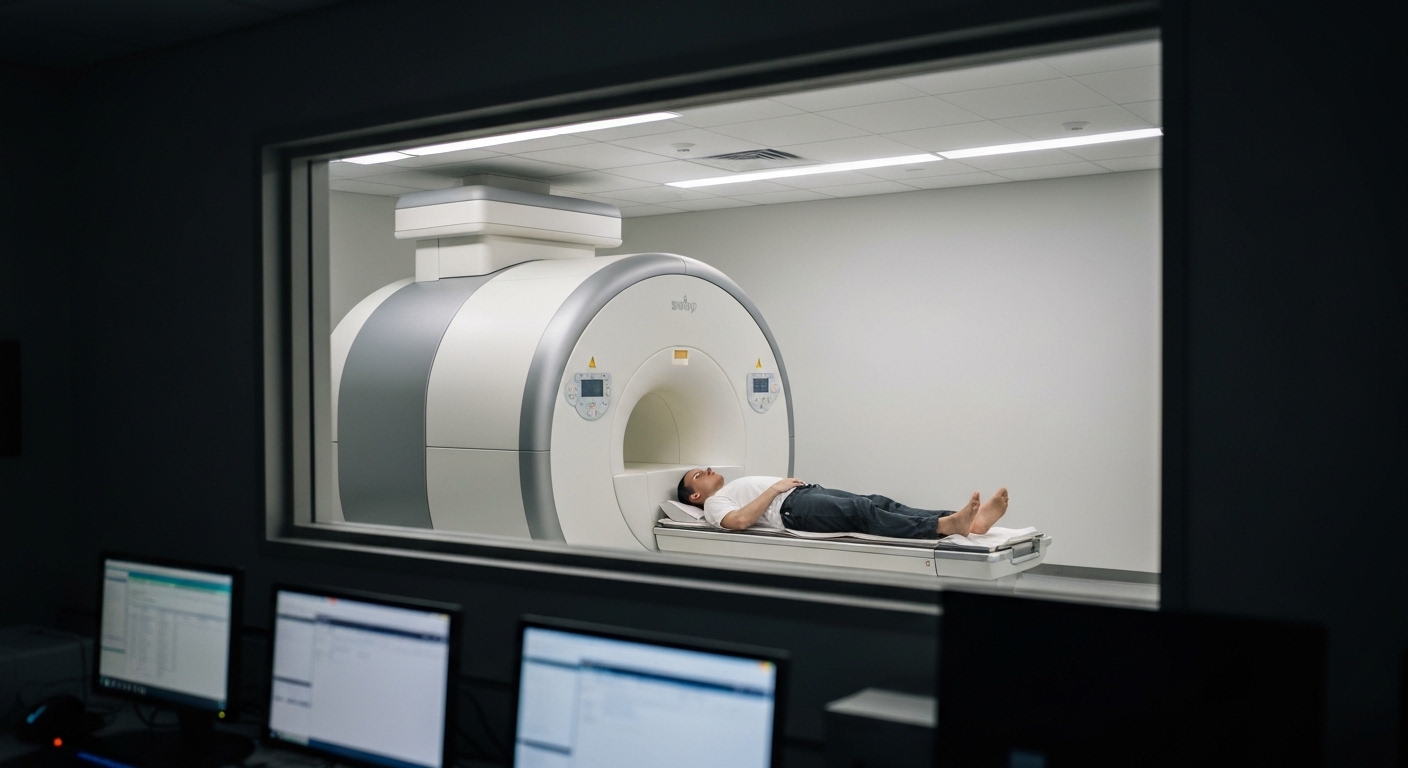
- The researchers analyzed 3D brain MRI data from 2,730 unmedicated healthy individuals to map these specific cortical profiles.
- Positive schizotypy correlated with thinner frontal cortex, while negative schizotypy showed thicker paralimbic areas, p < 0.05.
- The authors concluded that these cortical signatures align with distinct neurodevelopmental conditions and specific patterns of gene expression.
- These findings suggest that cortical hub vulnerability may serve as a biological marker for future schizophrenia-spectrum risk assessment.
Mapping the Biological Continuum of Psychosis Risk
Schizotypy represents a multidimensional construct of personality traits that mirrors the symptoms of schizophrenia, serving as a subclinical marker for psychosis liability within the general population [1]. While these traits are associated with various cognitive and perceptual impairments, establishing consistent neuroanatomical markers has proven difficult due to significant methodological heterogeneity across smaller studies [1, 2]. Current clinical frameworks, such as the Hierarchical Taxonomy of Psychopathology, increasingly emphasize a dimensional approach to mental illness, suggesting that these subclinical features may share genetic and structural substrates with overt psychiatric disorders [3, 4]. Previous research has identified potential overlaps in cortical thickness between high-schizotypy individuals and those with established schizophrenia, hinting at a neurobiological continuity [5]. A new large-scale study now provides a detailed characterization of how specific schizotypy dimensions integrate into the broader architecture of the human brain.
Divergent Structural Signatures in the Frontal and Paralimbic Cortex
To establish a robust biological framework for subclinical psychosis risk, the researchers analyzed 3D brain MRI data from a sample of 2730 unmedicated healthy individuals. This large-scale approach allowed the team to bypass the confounding effects of psychotropic medications, which can alter cortical volume, and identify specific neuroanatomical profiles for both positive and negative schizotypy dimensions. By utilizing such an expansive cohort, the study achieved the statistical power necessary to detect subtle morphological variations that smaller studies often miss, providing a clearer picture of how these personality traits manifest in the brain's physical structure. The analysis revealed that positive and negative schizotypy are rooted in distinct and largely non-overlapping cortical signatures. Positive schizotypy, which encompasses traits such as unusual perceptual experiences and magical thinking, was associated with a cortical signature characterized predominantly by thinner frontal cortical areas. In contrast, negative schizotypy, defined by features like social withdrawal and diminished emotional expression, was associated with a cortical signature characterized predominantly by thicker paralimbic cortical areas, which are regions involved in emotional processing and autonomic control. These divergent findings suggest that the two dimensions of schizotypy may arise from different neurodevelopmental pathways, with frontal thinning potentially reflecting a vulnerability to executive dysfunction and paralimbic thickening relating to altered social-emotional regulation. For the practicing clinician, these structural markers provide a biological basis for the heterogeneity observed in patients across the psychosis continuum. The identification of thinner frontal regions and thicker paralimbic regions in a healthy, unmedicated population suggests that these neuroanatomical signatures may serve as early indicators of vulnerability to schizophrenia-spectrum and neurodevelopmental pathologies. By mapping these subclinical traits to specific cortical patterns, the study offers a framework for understanding how individual differences in brain architecture may influence a patient's resilience or susceptibility to overt psychiatric disorders.
Overlap with Clinical Neurodevelopmental and Psychotic Disorders
The identification of these neuroanatomical signatures suggests that positive and negative schizotypy reflect distinct patterns of subclinical traits in the general population that are not merely psychological constructs but are rooted in measurable brain morphology. These subclinical traits are associated with neurodevelopmental and schizophrenia-spectrum pathologies, providing a biological link between personality variations in healthy individuals and clinical disease states. By comparing the cortical thickness maps of the 2730 participants to established clinical datasets, the researchers demonstrated that the cortical signatures of positive and negative schizotypy were differentially linked to brain-wide cortical patterns of schizophrenia-spectrum conditions. This includes significant spatial correlations with the neuroanatomical changes observed in patients at clinical high-risk for psychosis (individuals experiencing attenuated pre-psychotic symptoms) and those with a formal diagnosis of schizophrenia. Beyond the schizophrenia spectrum, the study found that these subclinical signatures were also linked to neurodevelopmental conditions, specifically Attention-Deficit/Hyperactivity Disorder (ADHD), autism spectrum disorder, and 22q11.2 deletion syndrome, a genetic microdeletion associated with a high risk of developing psychosis. The researchers utilized spatial correlation analyses to show that the structural deviations in healthy individuals with high schizotypy scores mirror the cortical thinning or thickening patterns seen in these clinical populations. For the practicing clinician, these findings underscore that the neurobiological foundations of Attention-Deficit/Hyperactivity Disorder (ADHD), autism spectrum disorder, and 22q11.2 deletion syndrome may overlap with the traits observed in the broader population, suggesting that schizotypy dimensions could serve as a bridge for understanding the shared vulnerability across various neuropsychiatric pathologies.
Molecular Architecture and Neurotransmitter Receptor Mapping
To understand the biological mechanisms driving these structural variations, the researchers systematically compared the cortical thickness profiles of positive and negative schizotypy with disorder-specific, microarchitectural, neurotransmitter-level, and connectome measures. This multiscale analysis allowed the team to move beyond gross anatomy and investigate the underlying cellular and molecular landscape. The study found that the cortical signatures of positive and negative schizotypy mapped onto distinct local attributes of gene expression, suggesting that the morphological differences observed on MRI are rooted in specific transcriptomic profiles. Furthermore, these structural patterns were significantly associated with different local attributes of cortical myelination, which refers to the insulating layer around nerves that facilitates rapid signal transmission. These findings indicate that the variations in cortical thickness are likely influenced by the degree of white matter integrity and the density of the myelin sheath within the gray-white matter interface. The investigation into neurochemical signaling revealed that the anatomical signatures of these traits are tied to specific receptor systems. The researchers demonstrated that the cortical profiles mapped onto different local attributes of D1 receptor distributions, a primary subtype of dopamine receptor involved in executive function and reward processing. Additionally, the cortical profiles mapped onto different local attributes of histamine receptor distributions, suggesting a role for the histaminergic system in the manifestation of schizotypal traits. For the clinician, these molecular correlations are particularly relevant as they provide a biological basis for why certain individuals may be more vulnerable to psychosis. By identifying that positive and negative schizotypy are linked to specific neurotransmitter receptor densities and gene expression patterns, this research highlights potential pathways for pharmacological intervention and helps explain the heterogeneous response to treatments targeting the dopaminergic or histaminergic systems in schizophrenia-spectrum disorders.
Vulnerability of High-Connectivity Cortical Hubs
The researchers utilized network models, which are mathematical frameworks used to map the complex communication pathways between different brain regions, to determine how structural changes are distributed across the brain's architecture. These network models demonstrated that cortical signatures for both positive and negative schizotypy dimensions were spatially associated with cortical hubs, which are defined as highly interconnected brain regions that facilitate efficient information transfer across the neural system. The spatial overlap between schizotypy-related thinning or thickening and these high-traffic nodes suggests that highly interconnected regions are more vulnerable to the morphological differences associated with schizotypy. For the clinician, this finding indicates that the structural markers of psychosis liability are concentrated in the very areas responsible for integrating diverse neural signals, potentially explaining the broad cognitive and perceptual disruptions seen in schizophrenia-spectrum disorders. Further analysis identified specific regions that act as epicenters, or focal points where the connectivity profile of the region strongly mirrors the overall pattern of cortical change across the brain. Predominantly sensorimotor-to-association areas emerged as epicenters with connectivity profiles significantly linked to schizotypy-related cortical patterns, highlighting a structural bridge between basic sensory processing and higher-order cognitive functions. Additionally, paralimbic areas also emerged as epicenters with connectivity profiles significantly linked to schizotypy-related cortical patterns, which are regions critical for emotional regulation and social behavior. Collectively, the study identified cortical signatures embedded along multiple scales of cortical organization and neuropsychiatric pathologies, ranging from molecular receptor distributions to macroscale network connectivity. These findings provide a structural framework for understanding how neurobiology and brain architecture may guide neuroanatomical vulnerability and resilience to psychopathology in the general population, offering a potential roadmap for identifying individuals at higher risk for transitioning from subclinical traits to clinical disorders.
References
1. Tonini E, Quidé Y, Kaur M, Whitford TJ, Green MJ. Structural and functional neural correlates of schizotypy: A systematic review.. Psychological Bulletin. 2021. doi:10.1037/bul0000260
2. Ettinger U, Möhr C, Gooding DC, et al. Cognition and Brain Function in Schizotypy: A Selective Review. Schizophrenia Bulletin. 2015. doi:10.1093/schbul/sbu190
3. Kotov R, Krueger RF, Watson D, et al. The Hierarchical Taxonomy of Psychopathology (HiTOP): A Quantitative Nosology Based on Consensus of Evidence. Annual Review of Clinical Psychology. 2021. doi:10.1146/annurev-clinpsy-081219-093304
4. Stauffer E, Bethlehem RAI, Dorfschmidt L, Won H, Warrier V, Bullmore ET. The genetic relationships between brain structure and schizophrenia. Nature Communications. 2023. doi:10.1038/s41467-023-43567-7
5. Kirschner M, Hodzic-Santor B, Antoniades M, et al. Cortical and subcortical neuroanatomical signatures of schizotypy in 3004 individuals assessed in a worldwide ENIGMA study. Molecular Psychiatry. 2021. doi:10.1038/s41380-021-01359-9