For Doctors in a Hurry
- Researchers investigated if systemic inflammation and oxidative stress (imbalance between free radicals and antioxidants) associate with musculoskeletal injuries during training.
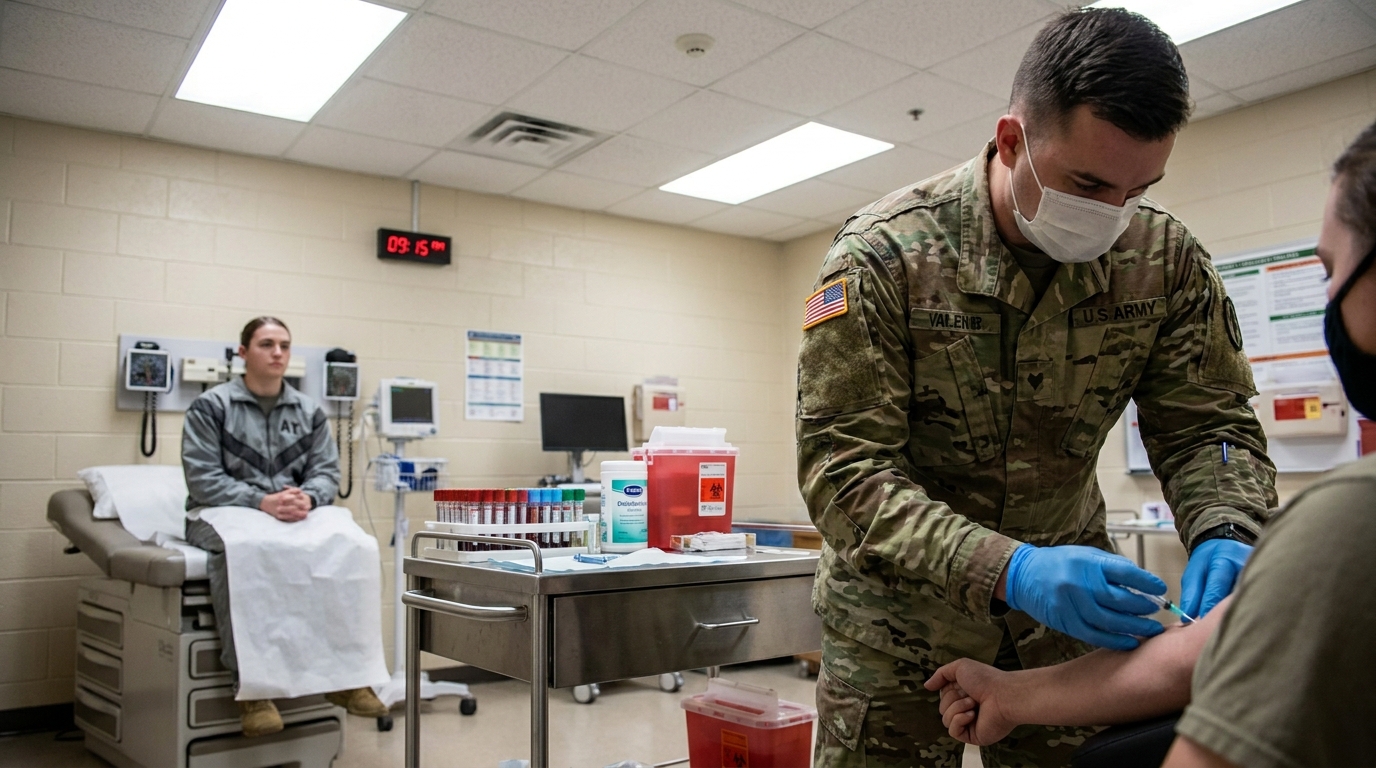
- This prospective observational study monitored 206 Army trainees, including 51 percent women, throughout their basic combat training period.
- Acute high-sensitivity C reactive protein elevation increased injury odds by 41 percent (OR 1.41, 95% CI 1.03 to 1.93, p=0.034).
- The authors concluded that elevated inflammation and oxidative stress markers temporally associate with musculoskeletal injury diagnoses, reflecting early tissue repair responses.
- Monitoring these biomarkers may help clinicians identify individuals at heightened risk for injury during periods of intense physical exertion.
Physiological precursors to musculoskeletal injury in tactical populations
Musculoskeletal injuries represent the primary cause of medical downgrading and discharge within military populations, significantly compromising operational readiness [1]. These injuries often lead to enduring deficits in muscle force and physical performance, even after the initial recovery period is complete [2]. Despite the high prevalence of these conditions, current exercise-based prevention strategies are often supported by low-quality evidence, leaving clinicians with few reliable tools to predict or mitigate injury risk [3]. The physically demanding nature of tactical training creates a constant cycle of tissue stress that can lead to high rates of disability if not managed effectively [4]. To address this diagnostic gap, researchers recently investigated whether systemic physiological markers can signal impending injury before clinical symptoms emerge.
Tracking inflammatory and redox markers in high-stress training
The researchers conducted a prospective observational study involving 206 US Army trainees to evaluate how biomarkers of systemic inflammation and alterations in redox homeostasis associate with musculoskeletal injury during Basic Combat Training. Redox homeostasis refers to the physiological balance between the production of reactive oxygen species and the body's antioxidant neutralizing capacity. When this balance shifts toward cellular damage, it creates a state of oxidative stress. The study cohort, which was 51% female, underwent longitudinal monitoring to characterize how these biomarkers fluctuated throughout the physically demanding training period. To quantify these physiological shifts, blood samples were analyzed for high-sensitivity C-reactive protein (hsCRP), a standard clinical marker of systemic inflammation, alongside three specific measures of oxidative stress. These included the free oxygen radical test (FORT), which measures circulating hydroperoxides, and the free oxygen radical defence (FORD), which assesses the total antioxidant capacity of the serum. From these values, the researchers calculated the Oxidative Stress Index (OSI), defined as the ratio of FORT divided by FORD. Clinical outcomes were rigorously tracked using International Classification of Diseases, Tenth Revision (ICD-10) codes to identify and categorize musculoskeletal injuries. This allowed the authors to correlate biochemical deviations with specific clinical diagnoses, moving beyond subjective pain reports to objective medical encounters.
Acute and chronic biomarker elevations signal impending injury
To analyze the relationship between biochemical shifts and clinical outcomes, the researchers employed mixed-effects logistic regression models. This statistical approach allowed the team to differentiate between chronic biomarker components, which represent stable baseline differences between individual trainees, and acute components, which capture sudden within-person fluctuations over time. The analysis assessed these associations across three distinct timeframes relative to the blood draw: 0 to 7 days before the draw, 1 to 7 days following the draw, and 8 to 14 days following the draw. By categorizing the data this way, the study could pinpoint whether a biomarker spike serves as a leading indicator of injury or a reactive consequence of tissue damage. The findings demonstrated that the associations between inflammation, oxidative stress, and musculoskeletal injury were most pronounced in the immediate vicinity of the clinical event. Specifically, the strongest associations occurred in the 0 to 7 days before and 0 to 7 days after injury diagnosis. An acute elevation in hsCRP was associated with 41% higher odds of an injury diagnosis within the subsequent 7 days (OR=1.41, 95% CI 1.03 to 1.93, p=0.034). This suggests that a rapid rise in systemic inflammation may reflect early tissue stress or subclinical damage that precedes a formal medical encounter. Beyond acute spikes, the study identified that sustained physiological strain also correlates with injury risk. Chronically high hsCRP levels were associated with a 2.27-fold increase in musculoskeletal injury risk (OR 2.27, 95% CI 1.22 to 4.19, p=0.01). Similarly, the researchers found that a chronically high Oxidative Stress Index was associated with increased injury risk (OR=1.72, 95% CI 1.01 to 2.92, p=0.046). These data indicate that both a trainee's baseline physiological profile and their acute inflammatory response to training intensity are significant predictors of musculoskeletal failure.
Clinical implications for injury prevention and load management
The temporal relationship between biochemical markers and clinical outcomes suggests that systemic changes are not merely reactive but serve as leading indicators of musculoskeletal failure. The researchers found that elevated hsCRP and Oxidative Stress Index (OSI) were temporally associated with musculoskeletal injury diagnoses throughout the duration of Basic Combat Training. These associations were not uniform across the training period. Instead, the strongest associations occurred in the week surrounding diagnosis, specifically the seven days immediately preceding and following the clinical identification of an injury. This narrow window indicates that the transition from physiological adaptation to pathological tissue failure is accompanied by a detectable surge in inflammatory and oxidative signaling. From a clinical perspective, these findings likely reflect heightened physiological stress and early injury-related tissue stress and repair responses that occur before a trainee seeks medical attention. Because an acute elevation in hsCRP (OR=1.41, 95% CI 1.03 to 1.93, p=0.034) and chronically high OSI (OR=1.72, 95% CI 1.01 to 2.92, p=0.046) correlate so closely with impending injuries, these biomarkers offer a potential objective tool for load management. For the practicing sports medicine physician or military medical officer, monitoring these levels could facilitate the identification of at-risk individuals during the critical one-week pre-diagnosis window. Identifying these subclinical signals of tissue stress allows for proactive adjustments in training volume or intensity, potentially preventing a formal musculoskeletal injury and maintaining the operational readiness of the patient.
References
1. Gray L, Coppack RJ, Barker-Davies R, et al. Efficacy and acceptability of different blood flow restriction training interventions during the rehabilitation of military personnel with lower limb musculoskeletal injuries: protocol for a two-phase randomised controlled trial.. BMJ open. 2025. doi:10.1136/bmjopen-2024-096643
2. Garcia RCF, Muniz AMDS, Jacinto DDC, Bunn PDS. Prior Musculoskeletal Injury and Components of Physical Fitness in Military Personnel: A Systematic Review with Meta-analysis.. Military medicine. 2025. doi:10.1093/milmed/usae499
3. Dijksma I, Arslan IG, Etten-Jamaludin FSV, Elbers RG, Lucas C, Stuiver MM. Exercise Programs to Reduce the Risk of Musculoskeletal Injuries in Military Personnel: A Systematic Review and Meta-Analysis.. PM & R : the journal of injury, function, and rehabilitation. 2020. doi:10.1002/pmrj.12360
4. Ramlee SSS, Selvan HKT, Mokhtar MAM, Rafiudin NM, Nizam K. SYSTEMATIC REVIEW OF RISK FACTORS CONTRIBUTING TO MUSCULOSKELETAL DISORDERS (MSDs) AND INJURIES IN MILITARY PERSONNEL. International Journal of Education, Psychology and Counseling. 2025. doi:10.35631/ijepc.1057056