For Doctors in a Hurry
- Clinicians struggle to differentiate infectious pneumonia from non-infectious mimics like malignancy or autoimmune disease in patients with respiratory failure.
- The researchers conducted a prospective study of 116 adults in two intensive care units using multiplex polymerase chain reaction testing.
- Combined negative results from the panel and sputum culture identified non-infectious mimics with 75% sensitivity and 91% specificity.
- The authors conclude that dual negative results should trigger a search for non-infectious causes of respiratory failure in intensive care.
- Negative panel results were associated with reduced antibiotic escalation, though positive predictive values for bacterial infection remained limited.
Diagnostic Uncertainty in the Critically Ill Respiratory Patient
Managing respiratory failure in the intensive care unit requires rapid differentiation between infectious pneumonia and non-infectious mimics, yet traditional culture methods often take several days to provide actionable results. While multiplex polymerase chain reaction (PCR) panels offer a significantly faster turnaround time for pathogen identification compared to routine cultures [1], their impact on clinical outcomes such as mortality and length of stay remains a subject of ongoing investigation [2, 3]. Previous research has demonstrated that these molecular tools can reduce the time to targeted antimicrobial administration [1] and improve the proportionality of antibiotic therapy in hospital-acquired infections [3]. However, discrepancies between molecular bacterial loads and traditional culture thresholds necessitate careful interpretation of semi-quantitative results to avoid over-treatment [4]. A new prospective multicenter study evaluates how these panels can be utilized specifically to identify non-infectious mimics and guide antibiotic stewardship in the most critically ill patients.
Evaluating Molecular Diagnostics in the ICU
Infective pneumonia remains a primary driver of respiratory failure and intensive care unit admission, necessitating rapid and accurate diagnostic pathways to distinguish it from non-infectious conditions. To address this clinical challenge, researchers conducted a prospective before-and-after multicenter evaluation between January 1, 2024, and June 30, 2025. The study focused on the clinical utility of the FilmArray Pneumonia plus panel (FAPN), a multiplex polymerase chain reaction tool that simultaneously tests for a broad range of respiratory pathogens, in adults with respiratory failure. The investigation took place across two district general hospital intensive care units and included a total of 116 consecutive patients who underwent FAPN testing during the study period. Within the broader study population, the researchers focused on a post-intervention cohort of 56 patients to assess diagnostic accuracy and clinical impact. For those with suspected pneumonia, a consensus panel of experts determined the definitive cause of respiratory failure. The study defined suspected pneumonia using specific clinical and imaging parameters: a PF ratio (the ratio of arterial oxygen partial pressure to fractional inspired oxygen, used to assess the severity of hypoxemia) of less than 300 mm Hg and the presence of at least one radiographic quadrant showing involvement. Among the post-intervention group, 45 patients met these rigorous criteria for suspected pneumonia and were included in the final analysis of diagnostic agreement between molecular testing and traditional cultures.
Identifying Non-Infectious Mimics
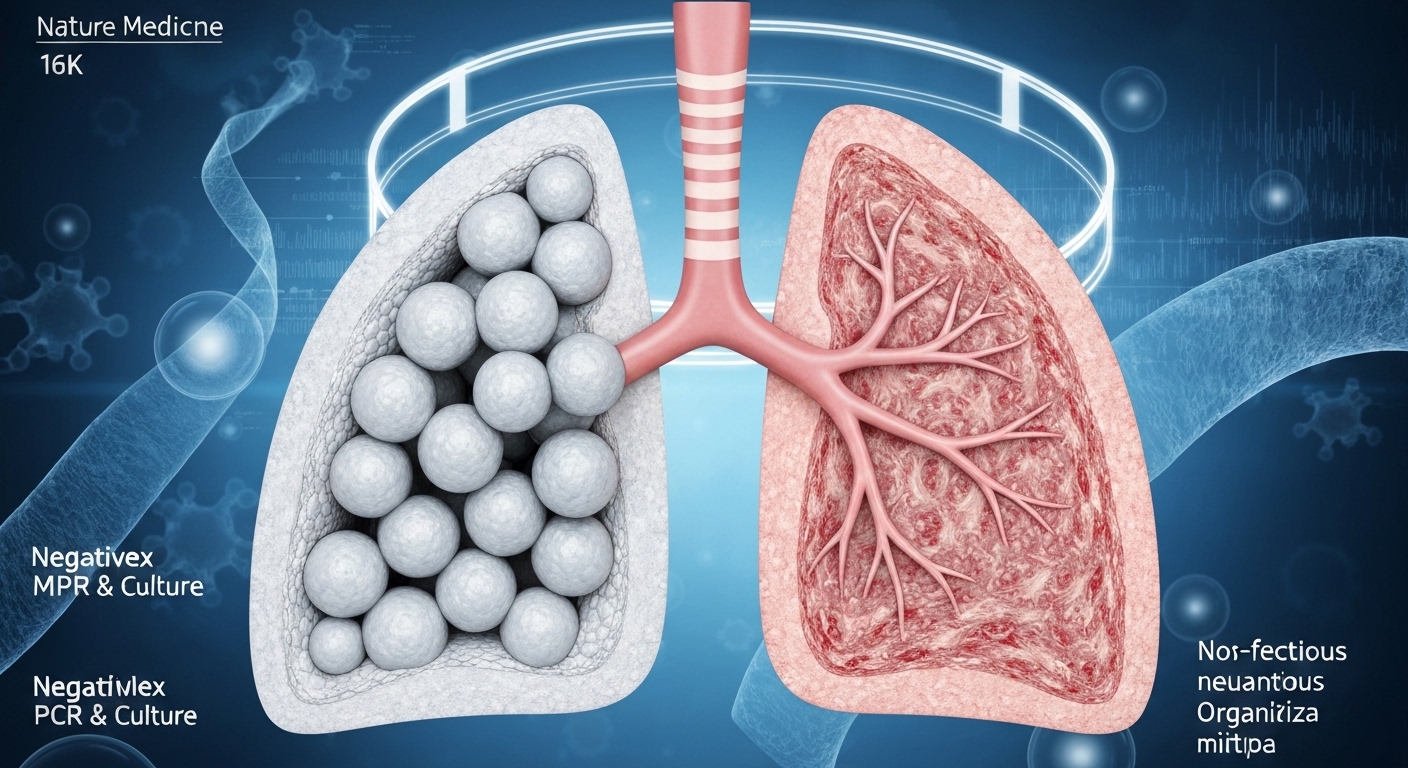
Clinicians in the intensive care unit frequently encounter diagnostic dilemmas when respiratory failure does not clearly stem from an infectious source. The study highlights that non-infectious mimics of pneumonia, such as autoimmune disease, malignancy, and organizing pneumonia (a clinical condition characterized by inflammation and connective tissue plugs in the small airways and alveoli), often present with clinical features that overlap with bacterial infection. Distinguishing these conditions early is critical to avoid the complications of inappropriate antibiotic use and to initiate targeted therapies like corticosteroids or chemotherapy. The researchers investigated whether the absence of pathogens on both molecular and traditional platforms could provide the diagnostic clarity needed to shift clinical focus toward these non-infectious etiologies. The primary diagnostic finding of the study centered on the high reliability of a double-negative result. The combined finding of a negative FilmArray Pneumonia plus panel and negative sputum culture identified non-infectious mimics with a sensitivity of 75% (95% CI 50-100%) and a specificity of 91% (95% CI 81-100%). For the practicing physician, this high specificity is particularly relevant; it suggests that when both the rapid multiplex PCR and the standard culture fail to yield a pathogen, there is a strong statistical basis to rule out bacterial pneumonia. These results provide a clear clinical signal to prioritize the evaluation of non-infectious causes in patients who meet the criteria for respiratory failure but lack objective evidence of infection.
Impact on Antibiotic Stewardship
The integration of rapid molecular diagnostics into the intensive care unit workflow directly influences prescribing patterns by providing earlier diagnostic certainty. In this study, the researchers examined how the results of the FilmArray Pneumonia plus panel translated into bedside clinical action. By providing a rapid assessment of the microbial landscape, the panel allows clinicians to move beyond empiric therapy more quickly than traditional culture methods allow. The data suggest that a negative result on this multiplex PCR platform serves as a powerful tool for antimicrobial stewardship, offering the objective evidence necessary to limit the broadening of antibiotic coverage in critically ill patients. The clinical impact of these molecular findings was quantified through a multivariable analysis (a statistical method that controls for multiple variables to isolate the effect of a single factor). The researchers found that negative FilmArray Pneumonia plus panel results were associated with reduced antibiotic escalation, yielding an odds ratio of 0.70 (p < .01). This finding indicates a 30 percent reduction in the likelihood that a physician would increase the breadth or intensity of antibiotic therapy when the rapid panel failed to detect a pathogen. For the practicing intensivist, this statistical association underscores the utility of the molecular panel as a rule-out tool. By providing high-confidence negative results within hours, the technology supports the clinical decision to withhold additional broad-spectrum agents, thereby mitigating the risks of antibiotic toxicity and the development of multi-drug resistant organisms.
Interpreting Positive Results and Bacterial Loads
While the FilmArray Pneumonia plus panel provides rapid detection, the researchers noted significant variability in the clinical significance of positive results. The positive predictive value (the probability that a patient actually has the infection when the test returns a positive result) varied widely across different pathogens. For individual bacterial targets on the panel, the positive predictive value ranged from 0 percent to 100 percent, with a median positive predictive value of only 35 percent. This low median value suggests that a positive molecular signal often does not correlate with a clinically significant infection that can be confirmed by traditional methods, necessitating a cautious approach to diagnosis to avoid the over-treatment of colonizing organisms. The study further explored the relationship between the molecular load detected by the panel and the likelihood of a positive culture. The researchers utilized quantitative bins (standardized measurements that estimate the amount of bacterial DNA present in a sample, expressed as colony-forming units per milliliter or CFU/mL). The data demonstrated that culture confirmation rates increased as the FilmArray Pneumonia plus panel quantitative bins increased, indicating that higher bacterial DNA loads are more likely to represent true infections. Specifically, at a low molecular load of 10^4 CFU/mL, the culture confirmation rate was only 8 percent, and at 10^5 CFU/mL, the rate remained low at 7 percent. As the bacterial load increased, the correlation with traditional culture results became more pronounced. At a molecular level of 10^6 CFU/mL, the culture confirmation rate rose to 48 percent, and at the highest bin of 10^7 CFU/mL, the rate reached 57 percent. These findings highlight a critical clinical threshold; while the panel is highly sensitive, results at the lower end of the quantitative spectrum are rarely supported by culture. Consequently, clinicians must interpret high-sensitivity molecular results in the context of traditional sputum cultures and the overall clinical picture to ensure that antibiotic therapy is directed toward active pathogens rather than mere microbial presence.
References
1. Verroken A, Favresse J, Anantharajah A, Rodriguez-Villalobos H, Wittebole X, Laterre P. Optimized Antibiotic Management of Critically Ill Patients with Severe Pneumonia Following Multiplex Polymerase Chain Reaction Testing: A Prospective Clinical Exploratory Trial.. Antibiotics (Basel, Switzerland). 2024. doi:10.3390/antibiotics13010067
2. Lam MAG, Dy-Agra G. Broad Panel Respiratory Multiplex PCR (Pneumonia Panel) in improving overall survival, length of hospital stay, and antibiotic free days among patients with community acquired pneumonia - A randomized controlled trial. 2024. doi:10.4103/pjhrd_2024283_15
3. Enne V, Stirling S, Barber JA, et al. LB2304. INHALE WP3: Results of a multi-centre randomised controlled trial (INHALE) testing the utility of rapid multiplex PCR at point-of-care for the antibiotic management of hospital-acquired and ventilator-associated pneumonia in critical care.. Open Forum Infectious Diseases. 2022. doi:10.1093/ofid/ofac492.1894
4. Hommel B, Hurtado O, Noble B, et al. Semi-Quantitative Detection of Respiratory Pathogens: A Systematic Review and Meta-Analysis of Results From the BIOFIRE FILMARRAY Pneumonia Panel and Culture.. MicrobiologyOpen. 2026. doi:10.1002/mbo3.70086