

MMAE for cSDH: Resolution Trajectories and Functional Outcomes Quantified
A large multicenter study details the temporal patterns of hematoma reduction and functional recovery after middle meningeal artery embolization.

ICP Monitoring Linked to Lower 30-Day Mortality in Kenyan Severe TBI Patients
A retrospective cohort study in a low- and middle-income country found intracranial pressure monitoring associated with reduced mortality.

Vertebrobasilar and Middle Cerebral Aneurysms Carry Highest Case Fatality Rates
A population-based study of 13,470 cases shows that aneurysm location significantly influences sudden death and 30-day mortality risks.
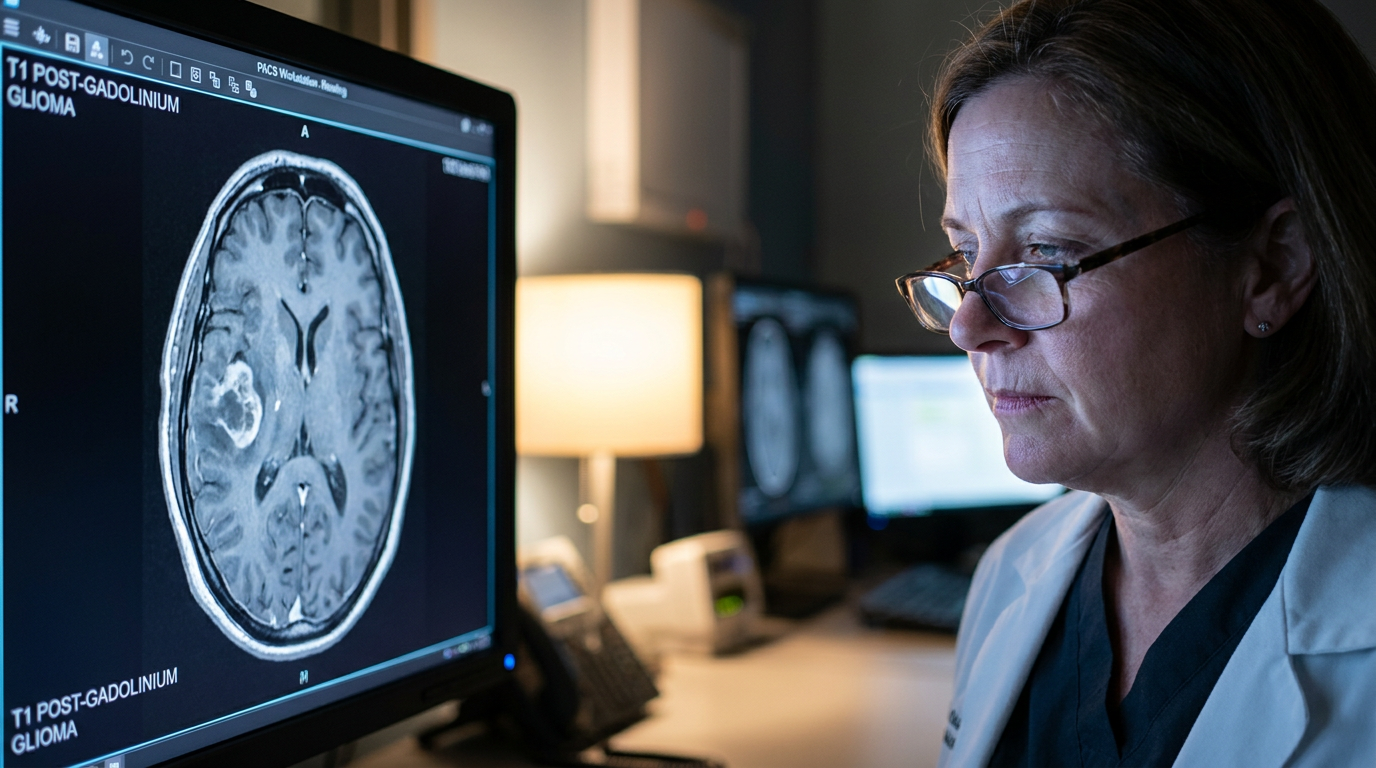
Pre-SRS PD-1 Inhibitor Use Linked to Increased Neurological Deficits, Mortality
A multi-institutional study suggests administering PD-1 inhibitors before stereotactic radiosurgery in glioma patients may worsen outcomes.
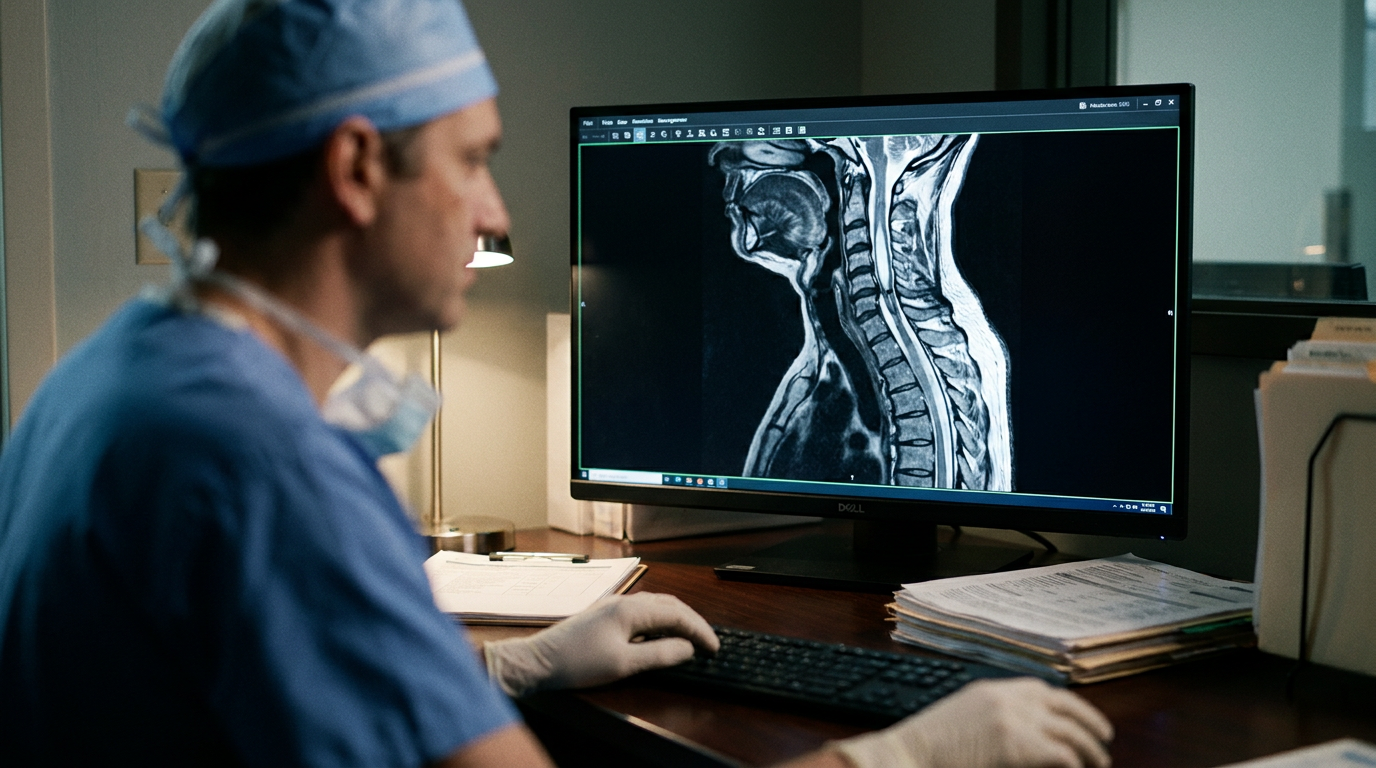
POD1 Prolactin Levels Predict Long-Term Outcomes After Prolactinoma Resection
Postoperative day 1 prolactin levels help stratify risk for hyperprolactinemia rebound and recurrence, especially with prior dopamine agonist use.

Stereotactic Radiosurgery Improves Tumor Control, Overall Outcomes for Older VS Patients
A retrospective study indicates stereotactic radiosurgery significantly reduces vestibular schwannoma progression and improves neurological outcomes.
Syrinx Shunt Outcomes Vary by Type: Revision Risk vs. Early Neurological Benefit
A retrospective study compares syringopleural, syringosubarachnoid, and syringoperitoneal shunts, detailing revision rates and neurological improvemen
Frontal AVMs Alter fMRI Language Lateralization, Requiring Clinical Caution
A retrospective study indicates that arteriovenous malformations in the frontal lobe significantly affect fMRI-based language lateralization indices.
Occipitotemporal White Matter: Redefining Inferior Longitudinal Fasciculus Components
A combined cadaveric dissection and diffusion tensor imaging study clarifies the anatomical boundaries and subcomponents of key visual and cognitive.
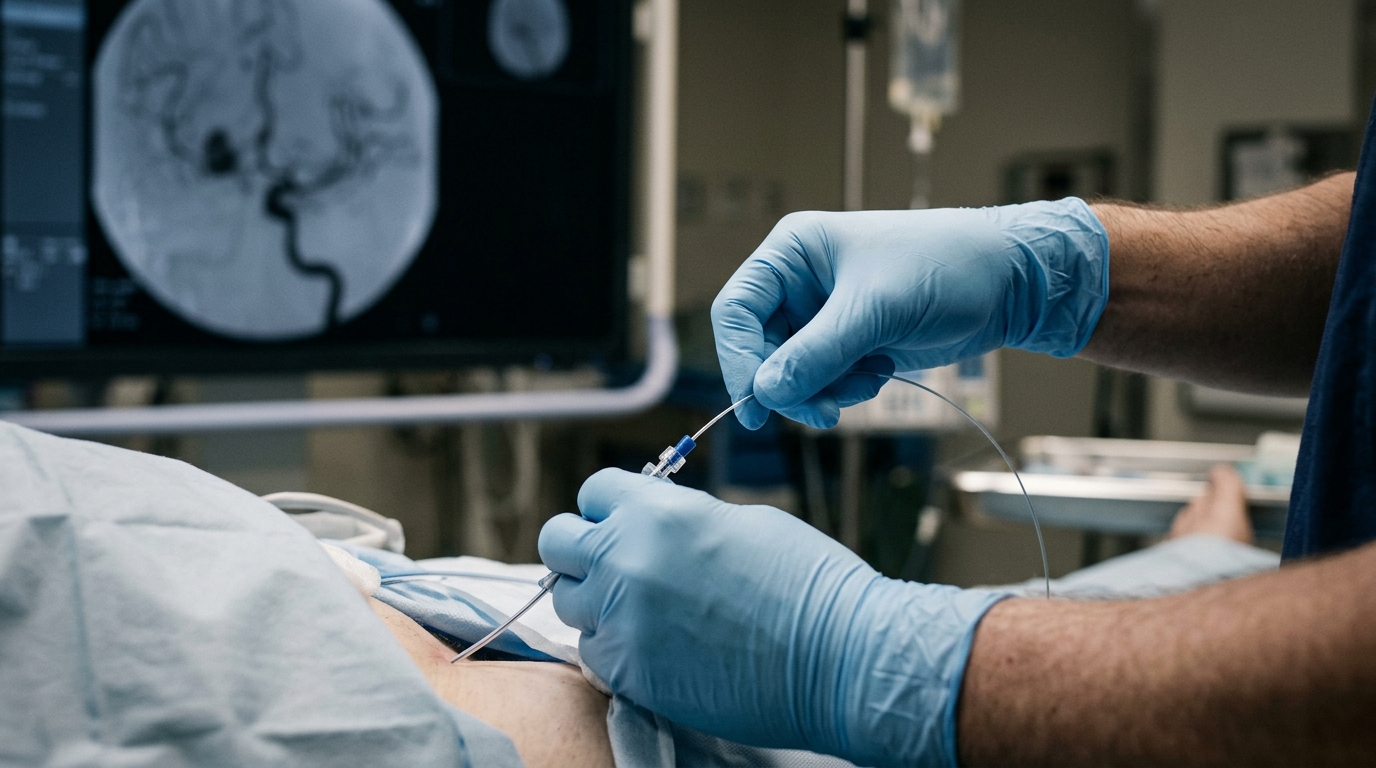
Thrombectomy Improves Functional Independence in Medium-Vessel Occlusion Stroke
A randomized trial shows endovascular thrombectomy increases functional independence but also raises symptomatic intracranial hemorrhage risk in mediu
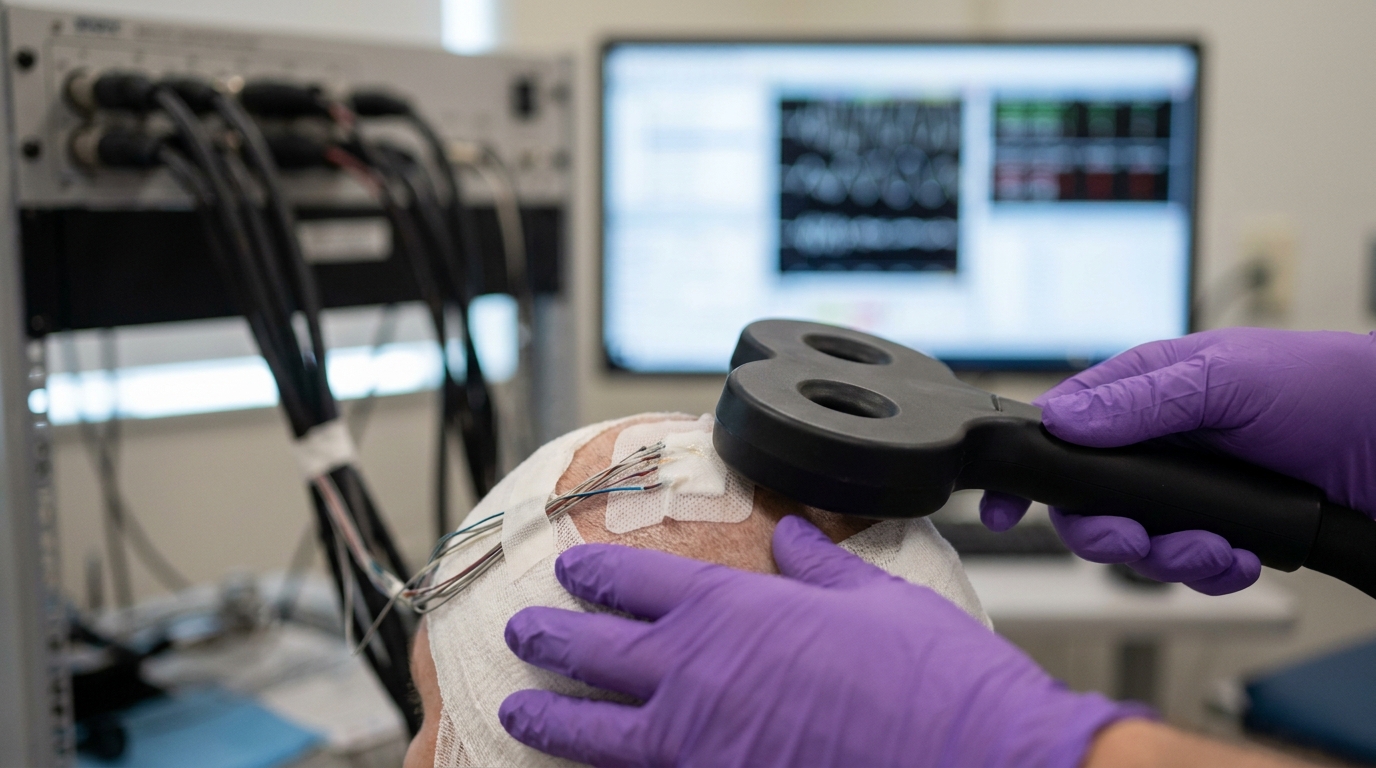
Intracranial Recordings Map Immediate and Distal Neural Responses to Magnetic Stimulation
A review of human and primate data shows single-pulse TMS excites neurons in 2 milliseconds and modulates networks for up to 40 minutes.

Intra-Arterial Alteplase Improves Recovery After Successful Thrombectomy
Adjunctive thrombolysis increased 90-day functional independence by 15% but was associated with a nearly 6% increase in mortality.