
- This study investigated if intravenous magnesium sulfate provides additional pain relief for acute nontraumatic headache.
- A randomized, double-blind, placebo-controlled trial included 1028 patients receiving paracetamol plus magnesium sulfate or placebo.
- Treatment success was 13.8% higher with magnesium sulfate (78.9% vs. 65.1%; 95% CI 8 to 19).
- The authors concluded that magnesium sulfate increased success, but below the 1.3-point clinical importance threshold.
- Magnesium sulfate reduced rescue analgesia need (7.1% vs. 15.3%) but increased adverse events (15.4% vs. 11.1%).
Managing Acute Nontraumatic Headache in the Emergency Department
Acute nontraumatic headache remains a frequent and challenging chief complaint in the emergency department, prompting a high volume of annual patient visits [1, 2]. For the clinician, the immediate priorities are twofold: rapidly ruling out serious underlying pathologies like subarachnoid hemorrhage and providing effective symptomatic relief [3, 4]. While current management involves a spectrum of analgesics, the search for optimized protocols continues [1, 2]. Magnesium sulfate, known for its role in managing eclamptic seizures and its potential for neuroprotection, has been investigated for various neurological conditions [5, 6, 7]. A recent trial sought to clarify its utility as an adjunct analgesic for acute headache, a persistent clinical need [8].
Study Design and Methodology
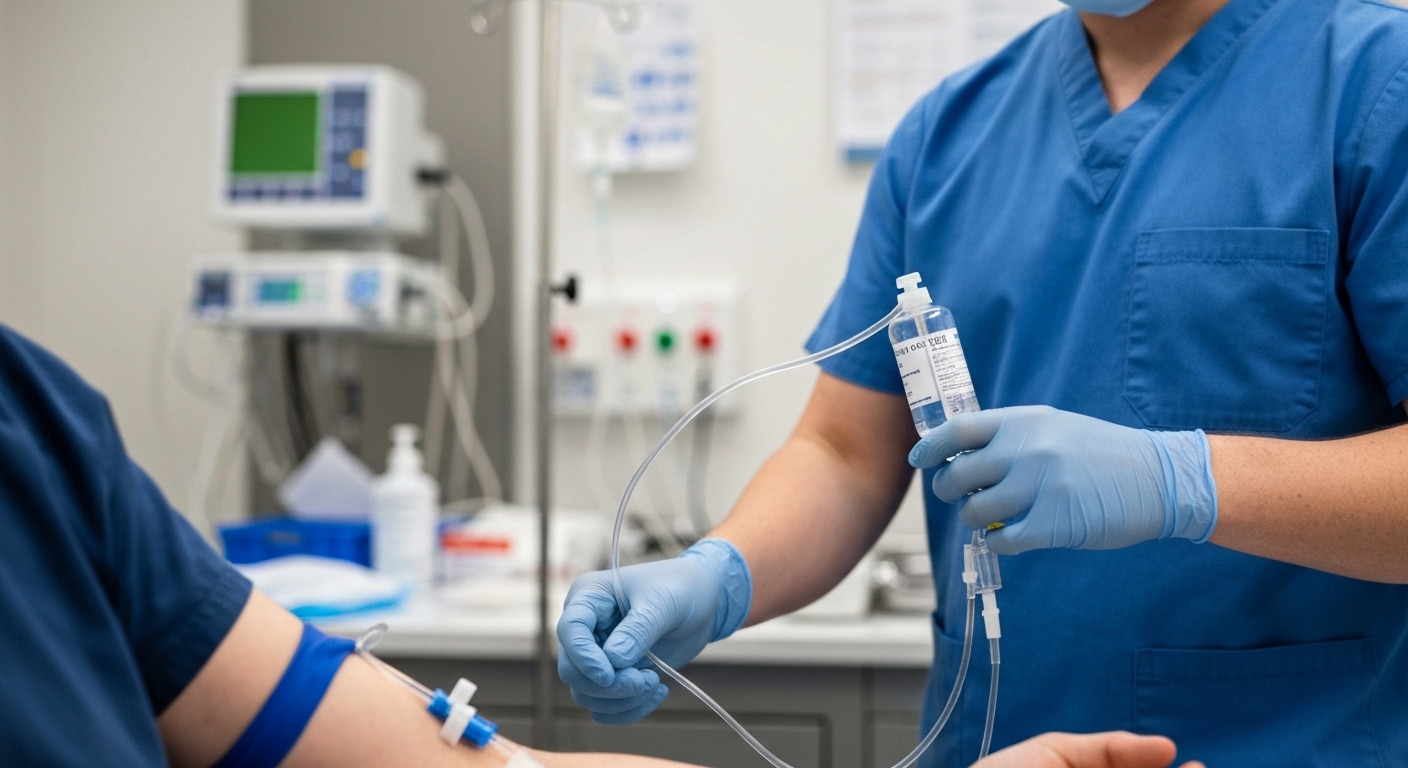
To assess the added benefit of magnesium sulfate, investigators designed a large randomized, double-blind, placebo-controlled clinical trial. The study enrolled adult patients presenting to the emergency department with acute nontraumatic headache. All participants first received a standard 1-gram dose of oral paracetamol. Subsequently, they were randomized to receive an infusion of either 2 grams of intravenous magnesium sulfate (MgSO4) in 150 mL of saline solution or a placebo of 150 mL of saline solution alone, with both administered over a period of more than 30 minutes. The large cohort included 506 patients in the MgSO4 group and 522 in the placebo group. The primary outcome was treatment success, defined as a ≥30% reduction in the patient's self-reported numerical rating scale score for pain at the 30-minute mark. Secondary outcomes tracked the need for subsequent rescue analgesia, patient satisfaction, and the incidence of adverse events.
Clinical Efficacy: Success Rates and Pain Reduction
The addition of magnesium sulfate did result in a statistically significant increase in treatment success. The study found that a successful outcome, defined as at least a 30% pain reduction at 30 minutes, was achieved more frequently in the MgSO4 group (78.9%) than in the placebo group (65.1%). This represents an absolute difference of 13.8% (95% confidence interval [CI], 8% to 19%). However, the authors highlight a critical caveat for clinical practice. Despite the higher rate of success, the actual magnitude of pain relief did not meet a prespecified threshold for clinical importance. All timed differences on the numerical rating scale were below the 1.3-point change that is widely considered the minimum for a patient to perceive a meaningful difference in pain. This suggests that while more patients responded to the combination therapy, the degree of their individual pain relief was modest.
Impact on Rescue Analgesia and Patient Experience
Although the direct effect on pain scores was limited, the study's secondary outcomes reveal other clinically relevant benefits. A significant finding was the reduced need for additional pain medication in the treatment group. Rescue analgesia was required less than half as often in the MgSO4 group (7.1%) compared to the placebo group (15.3%), a difference of -8.2% (95% CI, -12% to -4.3%). This reduction in subsequent interventions is a tangible advantage in a busy emergency setting. Furthermore, this benefit was reflected in the patients' overall assessment of their care. Patient satisfaction was greater in the MgSO4 group (91.7%) versus the placebo group (85.1%), with a difference of 6.6 (95% CI, 2.7 to 10). This suggests that even without a large drop in pain scores, the treatment combination provided an experience that patients valued more highly.
Adverse Events Profile
The clinical benefits of adding magnesium sulfate must be weighed against its safety profile. The study found that adverse events were more frequent in the MgSO4 group (15.4%) compared to the placebo group (11.1%). This represents a 4.3% absolute increase in the incidence of side effects (95% CI, 0.1% to 8.4%). The authors note, however, that the adverse events observed were generally mild in nature. For the practicing clinician, this presents a clear trade-off: adding intravenous magnesium sulfate to paracetamol may reduce the need for rescue analgesia and improve patient satisfaction, but it does so at the cost of a modest increase in mild, transient side effects.
References
1. Sarvari HR, Baigrezaii H, Nazarianpirdosti M, Meysami A, Safari‐Faramani R. Comparison of the efficacy of intranasal ketamine versus intravenous ketorolac on acute non-traumatic headaches: a randomized double-blind clinical trial. Head & Face Medicine. 2022. doi:10.1186/s13005-021-00303-0
2. Riccardi A, Guarino M, Serra S, et al. Narrative Review: Low-Dose Ketamine for Pain Management. Journal of Clinical Medicine. 2023. doi:10.3390/jcm12093256
3. Thilak S, Brown P, Whitehouse T, et al. Diagnosis and management of subarachnoid haemorrhage. Nature Communications. 2024. doi:10.1038/s41467-024-46015-2
4. Askarova AE, Zhurkabayeva BD. Hemorrhagic stroke in children. Journal of Central Nervous System Disease. 2024. doi:10.1177/11795735241289913
5. Huang T, Lai M, Chen Y, Huang C. The Roles of Glutamate Receptors and Their Antagonists in Status Epilepticus, Refractory Status Epilepticus, and Super-Refractory Status Epilepticus. Biomedicines. 2023. doi:10.3390/biomedicines11030686
6. Eren F, Yilmaz SE. Neuroprotective approach in acute ischemic stroke. Brain Circulation. 2022. doi:10.4103/bc.bc_52_22
7. Silverman EC, Sporer KA, Lemieux J, et al. Prehospital Care for the Adult and Pediatric Seizure Patient: Current Evidence-based Recommendations. Western Journal of Emergency Medicine. 2017. doi:10.5811/westjem.2016.12.32066
8. Messous S, Toumia M, Dhaoui R, et al. Intravenous Magnesium Sulfate for Acute Nontraumatic Headache in the Emergency Department.. Annals of emergency medicine. 2026. doi:10.1016/j.annemergmed.2026.03.029