For Doctors in a Hurry
- Clinicians lack data on how prenatal cannabis and psychosocial stress interact to influence maternal care and offspring neurodevelopment.
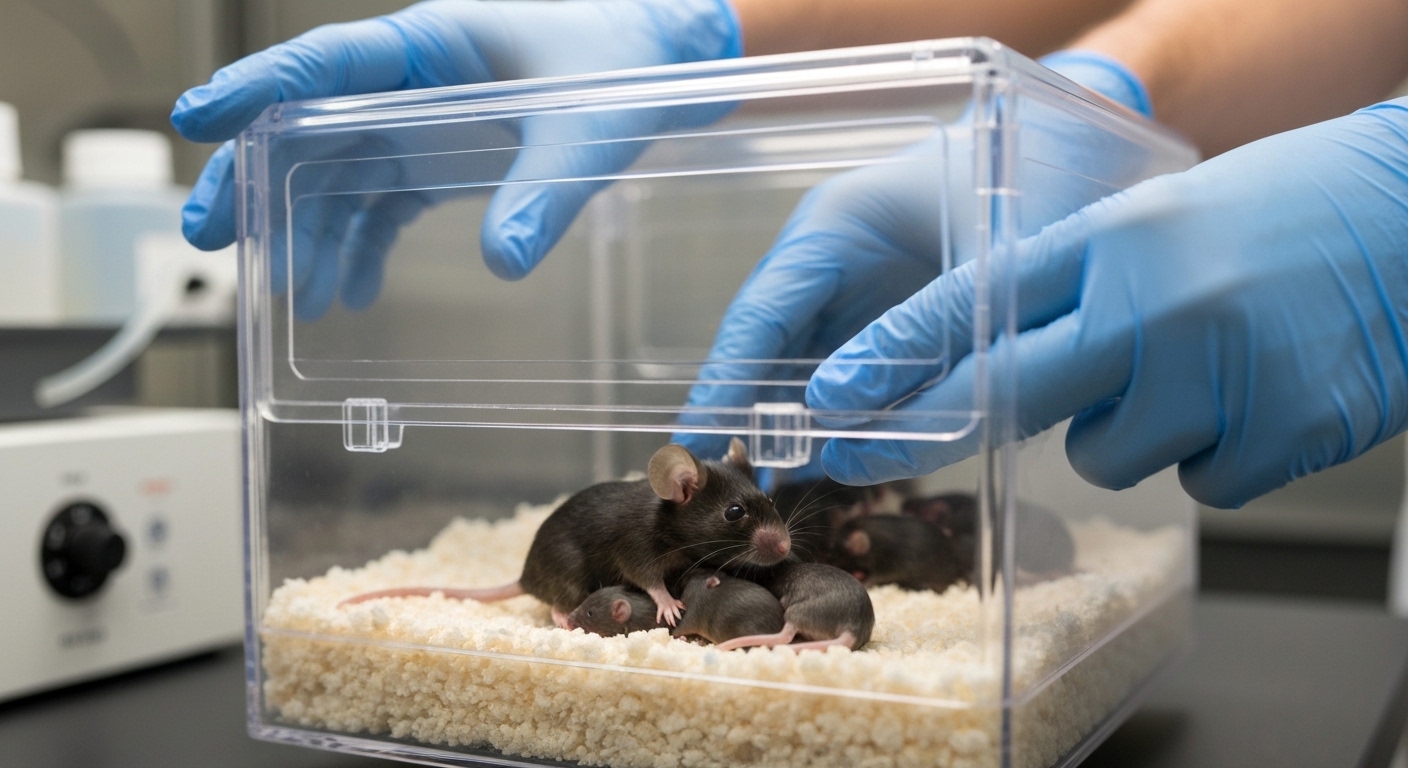
- Researchers studied pregnant mice exposed to daily 2 mg/kg tetrahydrocannabinol and chronic psychosocial stress throughout the gestational period.
- Combined exposure caused pronounced maternal caregiving impairments and sex-specific behavioral deficits in adolescent offspring across both sexes.
- The study identified enduring molecular alterations in the prefrontal cortex and nucleus accumbens related to synaptic and mitochondrial function.
- These findings suggest that prenatal cannabis use during periods of high maternal stress may increase neurodevelopmental risks for offspring.
The Clinical Intersection of Prenatal Stress and Cannabis Exposure
Cannabis use during pregnancy is an increasing clinical concern, often driven by patients seeking to manage comorbid stress and anxiety [1]. While prenatal cannabis exposure has been linked to neonatal outcomes like low birth weight, its long-term effects on child behavioral regulation and psychiatric vulnerability remain poorly defined [2, 3]. The clinical picture is further complicated by the high prevalence of mental health multimorbidity (the co-occurrence of two or more psychological conditions) during pregnancy, which affects nearly 2% of women globally [4]. Research suggests that early life stress and substance exposure may interact with genetic predispositions to influence the risk of developing complex disorders later in life [5]. Understanding how these environmental stressors and substance exposures converge is essential for refining prenatal risk assessments and pediatric follow-up protocols.
Modeling Concurrent Environmental and Chemical Stressors
To investigate the synergistic effects of environmental and chemical stressors, the researchers utilized a translational rodent model involving pregnant C57BL/6 mice. This specific strain was selected to simulate human physiological responses to prenatal insults within a controlled experimental framework. The study design focused on the interaction between psychosocial stress and substance exposure, utilizing the maternal witness defeat stress (MWDS) paradigm. In this model, pregnant mice are exposed to a social stressor (witnessing an aggressive encounter between other mice) to induce a state of chronic psychological distress without direct physical injury. This paradigm was applied daily from gestational day 3 through gestational day 12, a critical window for early embryonic development and organogenesis. Alongside the psychosocial stressor, the researchers administered daily subcutaneous injections of Δ⁹-tetrahydrocannabinol (THC) at a dosage of 2 mg/kg or a vehicle control. This pharmacological intervention continued from the start of the stress protocol until birth, ensuring consistent exposure throughout the remainder of the pregnancy. By combining these two variables, the study aimed to replicate the clinical reality of pregnant patients who use cannabis specifically to mitigate the effects of chronic stress. The researchers observed that while all exposure groups showed some level of disruption, the combined THC and stress exposure produced the most pronounced maternal caregiving impairments, establishing a baseline for assessing how these maternal deficits translate into long-term neurodevelopmental changes in the offspring.
Compounded Deficits in Maternal Caregiving
The researchers observed that the intrauterine environment is highly sensitive to both chemical and environmental insults, as evidenced by the immediate health of the litters. Following the administration of 2 mg/kg of Δ⁹-tetrahydrocannabinol (THC), the application of maternal witness defeat stress, or the combination of both, all exposure groups exhibited adverse postnatal outcomes. These findings indicate that even independent exposure to a pharmacological agent or a psychosocial stressor during the critical gestational window is sufficient to alter the expected trajectory of early development in the offspring. Beyond the immediate postnatal health of the pups, the study focused on the behavioral regulation and caregiving capacity of the mothers. The quality of maternal care is a primary determinant of neurodevelopmental health, and the researchers found that all exposure groups (THC alone, stress alone, and combined) exhibited disrupted maternal caregiving. While each individual stressor negatively impacted the quality of care, the combined THC and stress exposure produced the most pronounced maternal impairments. This synergistic effect suggests that the use of cannabis to manage chronic stress during pregnancy may paradoxically exacerbate behavioral and regulatory deficits, potentially compromising the maternal-infant bond and the long-term stability of the offspring.
Sex-Specific Behavioral Phenotypes in Adolescent Offspring
To determine the long-term consequences of these early environmental and pharmacological insults, the researchers conducted a comprehensive assessment of the adolescent male and female offspring. This evaluation focused on identifying both behavioral and molecular alterations that persisted into the developmental period equivalent to human adolescence. The study found that the impact of the intrauterine environment was not uniform across all groups, but rather depended on the specific type of exposure and the sex of the offspring. Specifically, prenatal stress and combined exposures were associated with increased anxiety-like behavior in both sexes, suggesting that environmental psychosocial stress, whether alone or alongside cannabis, may prime the developing nervous system for heightened emotional reactivity. Beyond increased anxiety, the researchers identified significant deficits in goal-directed activity. Prenatal stress and combined exposures were associated with reduced motivated behavior in both sexes, a finding that may have implications for understanding the high rates of apathy or executive dysfunction seen in children with complex prenatal histories. However, the effects of isolated pharmacological exposure followed a different pattern. In contrast to the broad impact of stress, THC exposure alone primarily impacted female self-care and social behavior. This sex-specific vulnerability suggests that while males and females both respond to prenatal stress with increased anxiety and decreased motivation, the female brain may be uniquely sensitive to the effects of Δ⁹-tetrahydrocannabinol on the circuits governing social engagement and personal maintenance.
Transcriptomic Signatures in the Prefrontal Cortex and Nucleus Accumbens
To investigate the underlying molecular mechanisms of the observed behavioral deficits, the researchers performed transcriptomic profiling (the study of the complete set of RNA transcripts) on the adolescent offspring. This analysis focused on two critical brain regions: the prefrontal cortex, which is essential for executive function and cognitive control, and the nucleus accumbens, a key hub for reward processing and motivated behavior. Using a custom NanoString panel (a digital technology used for the direct multiplexed measurement of gene expression) for gene expression analysis, the study identified that prenatal THC, stress, and combined exposures induced gene expression changes that were both sex-specific and region-specific. This finding underscores that the biological impact of prenatal insults is not uniform across the brain or between sexes, but rather manifests in distinct molecular signatures depending on the specific environmental and pharmacological context. The transcriptomic data revealed that these prenatal exposures disrupted several fundamental biological processes within the developing brain. Specifically, prenatal THC, stress, and combined exposures altered molecular pathways related to mitochondrial function, which refers to the cell's energy production, potentially compromising the metabolic health of neurons. Furthermore, the researchers identified significant disruptions in synaptic organization (the structural arrangement of connections between neurons) and glial signaling (communication involving non-neuronal support cells). These alterations in synaptic and glial pathways suggest that the combination of THC and stress may fundamentally reorganize the architecture and communication networks of the prefrontal cortex and nucleus accumbens, providing a molecular basis for the observed deficits in motivation and social behavior during adolescence.
Shared Molecular Pathways Across Substance Exposures
To determine whether the molecular disruptions observed with THC and stress were unique or part of a broader pattern of prenatal insult, the researchers conducted a comparative analysis with a perinatal fentanyl model, which examines the effects of synthetic opioid exposure during development. This comparison revealed that disparate chemical exposures can converge on the same biological pathways within the adolescent brain. Specifically, the study identified shared transcriptional substrates (common patterns of gene expression) involved in synaptic signaling. These findings suggest that both prenatal THC and fentanyl exposure may interfere with the fundamental mechanisms of how neurons communicate across synapses, potentially leading to similar neurodevelopmental deficits despite the different pharmacological profiles of the substances involved. The comparative analysis also identified shared transcriptional substrates involved in circadian regulation, the internal 24-hour biological clock that governs sleep-wake cycles, hormone release, and other essential physiological processes. The overlap between the THC/stress model and the fentanyl model in these pathways indicates that disrupted biological rhythms may be a consistent hallmark of prenatal substance exposure. For the practicing clinician, these findings underscore that prenatal stress and THC exposure create enduring neurodevelopmental signatures that persist well into adolescence. Because these molecular changes in the prefrontal cortex and nucleus accumbens mirror those seen with opioid exposure, they may necessitate targeted monitoring in pediatric populations to identify early signs of behavioral or cognitive impairment, particularly in children with a history of high-stress prenatal environments. Ultimately, the convergence of these molecular pathways suggests that the adolescent brain's response to prenatal THC and stress is not an isolated phenomenon but part of a wider spectrum of developmental disruption. Clinicians should consider that the combined impact of environmental stressors and cannabis use may fundamentally reorganize the architecture of the developing nervous system. This reorganization, characterized by altered synaptic signaling and circadian regulation, provides a biological framework for understanding the long-term behavioral risks faced by this patient population, highlighting the importance of early intervention and longitudinal neurodevelopmental surveillance.
References
1. Roncero C, Valriberas-Herrero I, Mezzatesta-Gava M, Villegas JLV, Aguilar L, Grau‐López L. Cannabis use during pregnancy and its relationship with fetal developmental outcomes and psychiatric disorders. A systematic review. Reproductive Health. 2020. doi:10.1186/s12978-020-0880-9
2. Sorkhou M, Singla DR, Castle D, George TP. Birth, cognitive and behavioral effects of intrauterine cannabis exposure in infants and children: A systematic review and meta‐analysis. Addiction. 2023. doi:10.1111/add.16370
3. Reyentanz E, Gerlach J, Kuitunen‐Paul S, Golub Y. Systematic review: the impact of maternal pre-and postnatal cannabis use on the behavioral and emotional regulation in early childhood. European Child & Adolescent Psychiatry. 2024. doi:10.1007/s00787-024-02494-8
4. Sreenivasan A, Hewitt M, Tirado V, et al. The prevalence of mental health-related multimorbidity during pregnancy: a systematic review and meta-analysis. BMC Public Health. 2026. doi:10.1186/s12889-026-26545-8
5. Misiak B, Stramecki F, Gawęda Ł, et al. Interactions Between Variation in Candidate Genes and Environmental Factors in the Etiology of Schizophrenia and Bipolar Disorder: a Systematic Review. Molecular Neurobiology. 2017. doi:10.1007/s12035-017-0708-y