
ERV Reactivation Drives C4b-Mediated Synaptic Pruning in Autism Models
In mouse models, endogenous retrovirus reactivation leads to C4b upregulation and excessive microglial pruning, contributing to autistic-like…
Blood Test Monitors Brain Gene Expression in Nonhuman Primates
A new method uses engineered reporters to noninvasively track transgene activity in primate brains via a simple blood draw.

IL-1β Signaling Drives Aggressive TCF3::HLF B-ALL and Bone Lesions
A new study identifies interleukin-1β as a key driver in a highly aggressive B-cell acute lymphoblastic leukemia subtype.

Noradrenaline-Amygdala Circuit Modifies Aversive Memories During Recall
A new study in rats identifies a specific brainstem-amygdala pathway and molecular mechanism governing aversive memory reconsolidation.
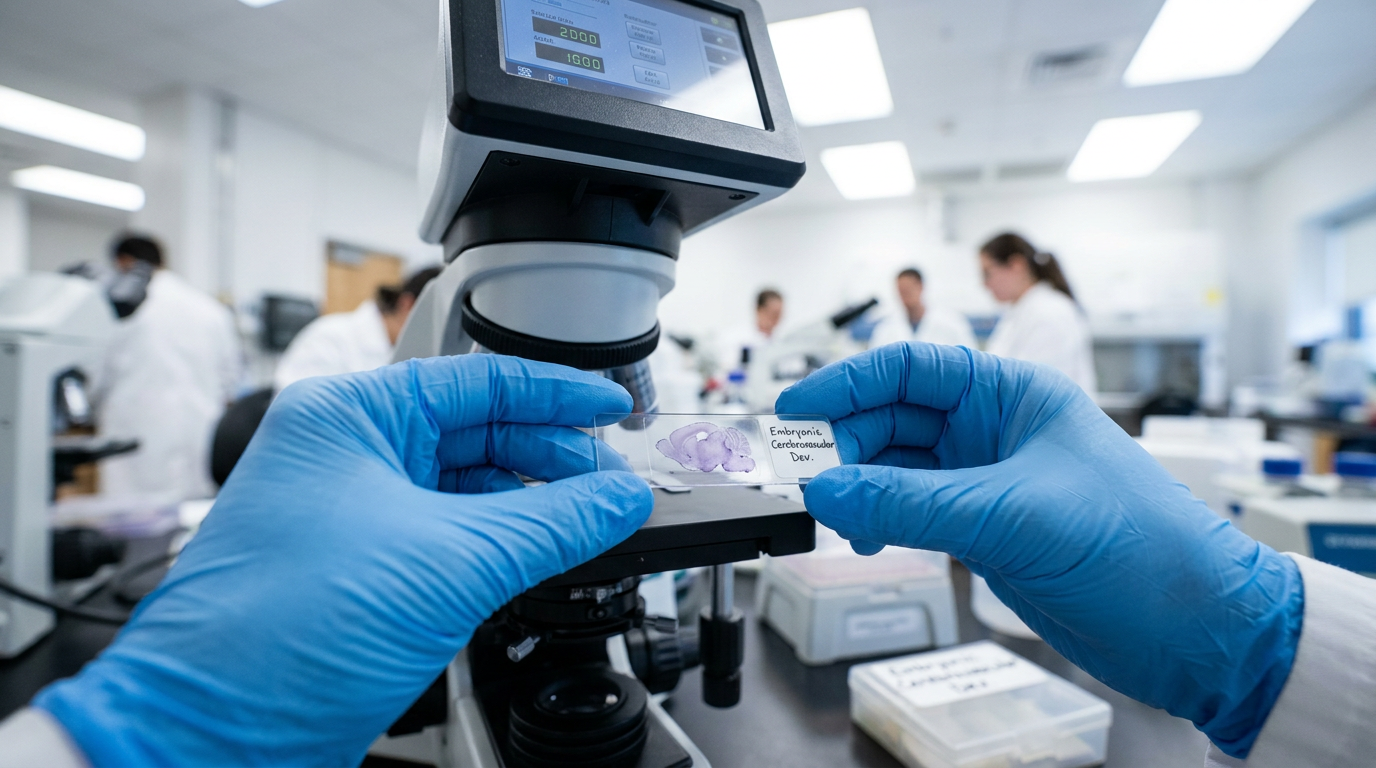
TFPI Essential for Embryonic Brain Vessel Development, Protein C Mitigates Defects
A preclinical study in mice reveals tissue factor pathway inhibitor's critical role in preventing cerebrovascular malformations and lethality.

Evolutionary Adaptation Reveals Neuronal Pathway for Myelination and Repair
A Retsat variant from high-altitude species uncovers a neuron-to-glia signaling mechanism that promotes central nervous system myelin formation…

Specific Genetic Elements Control Blood-Brain Barrier Endothelial Cell Function
Researchers identify a key DNA segment and transcription factors that regulate the unique gene expression of CNS vascular endothelial cells.
Maternal Microbial Exposure Confers Intergenerational Stress Resilience in Male Mouse Offspring
Maternal administration of a heat-killed bacterium protected male offspring from chronic stress effects, potentially via microbiome changes.
VTA-mPFC Dopamine Circuit Drives Stress-Induced Sleep Fragmentation in Mice
A new study in mice identifies specific dopaminergic neuron hyperexcitability as a key mechanism behind chronic stress-related sleep disruption.
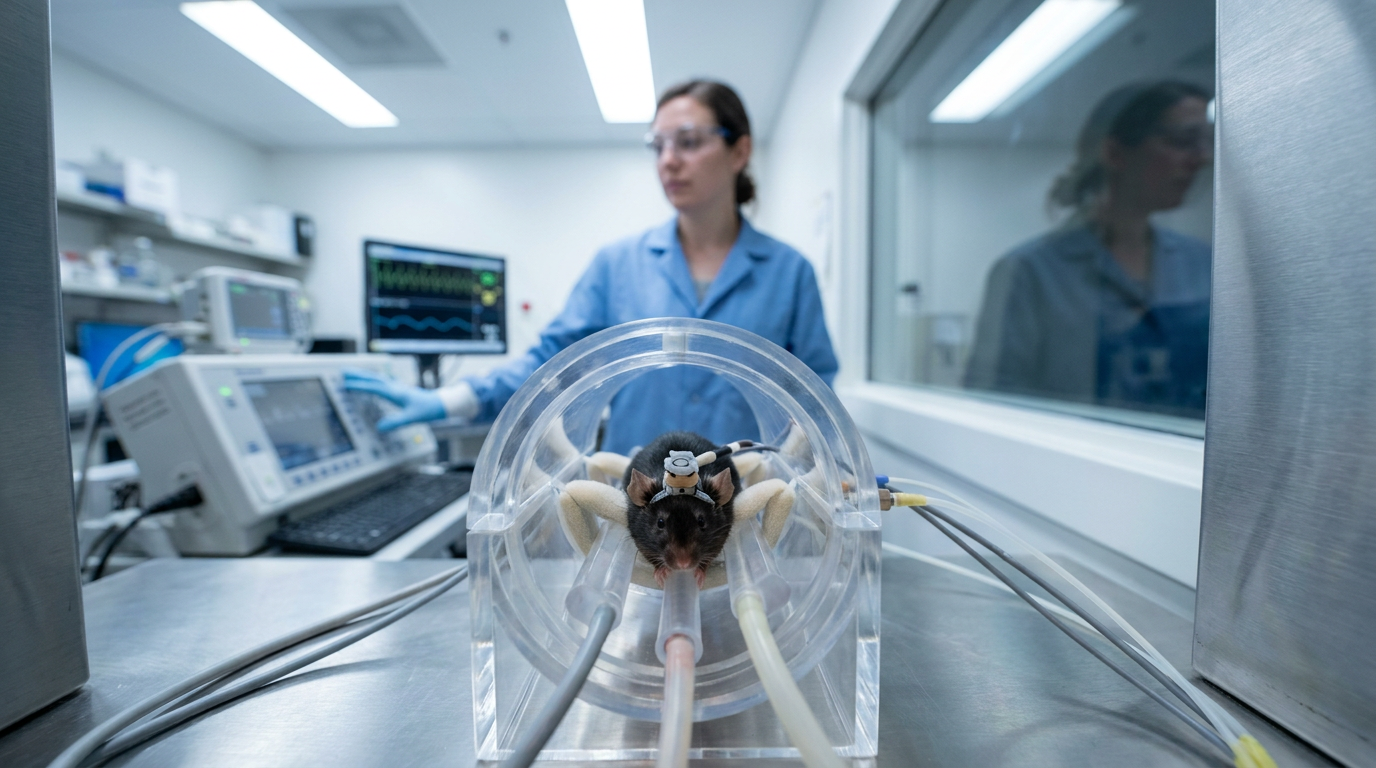
Astrocytic Enzyme Regulates Vascular Stability in Alzheimer's Disease Model
Targeting soluble epoxide hydrolase in astrocytes reduced vascular amyloid burden and preserved vasomotion in amyloidosis mice.

Massive Transfusion Reduces Vancomycin Levels in Swine Model
A swine study indicates that prophylactic vancomycin may become subtherapeutic after four units of whole-blood resuscitation.
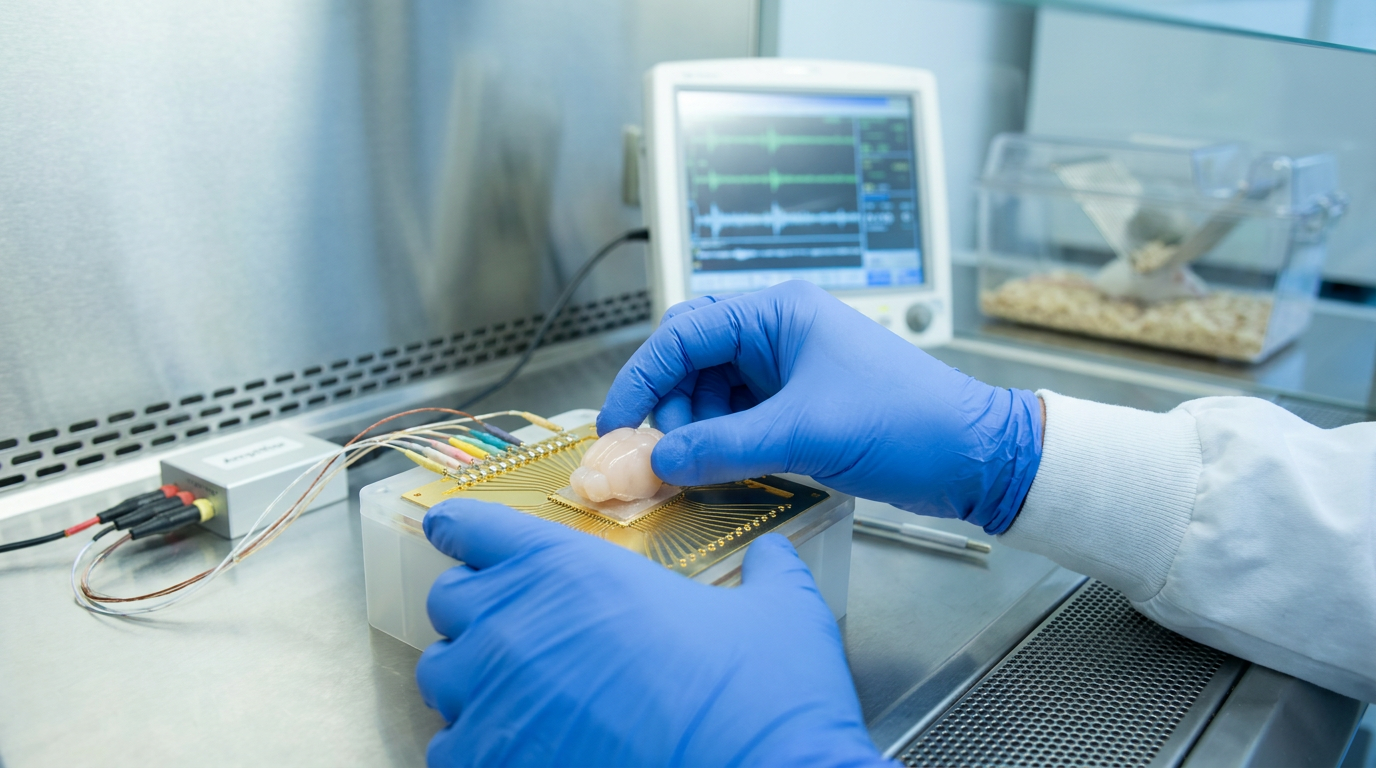
Brainstem Circuit Mediates Slow-Wave Sleep's Anxiety Reduction
A specific GABAergic pathway from the parafacial zone to the ovBNST is identified as crucial for sleep-related anxiolysis.