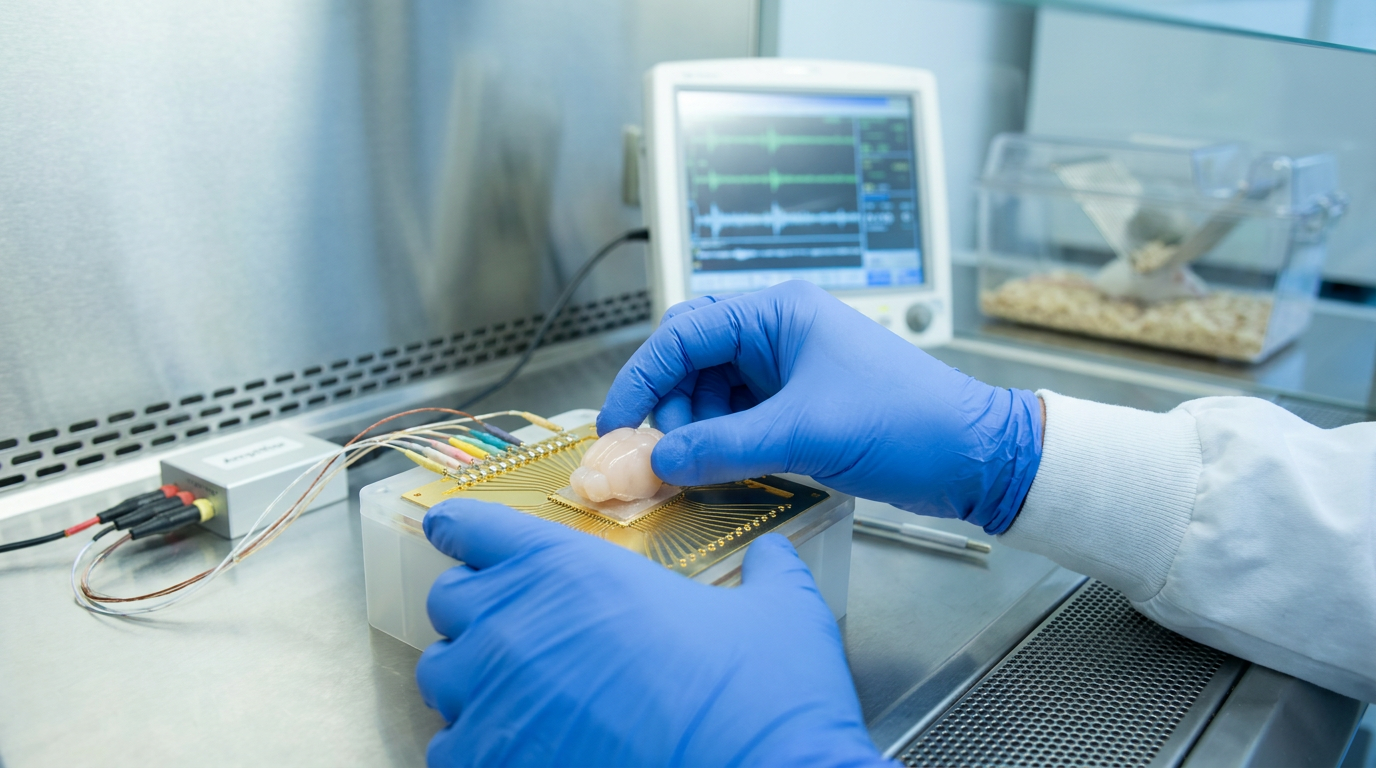
- The study investigated the neural mechanisms by which sleep reduces anxiety, a known clinical phenomenon.
- Researchers used optogenetic activation and multi-region calcium recording in a social defeat stress model.
- Optogenetic activation of parafacial zone GABAergic neurons induced slow-wave sleep and prevented anxiety.
- The authors concluded that a specific parafacial zone-lateral parabrachial nucleus-oval bed nucleus of the stria terminalis circuit mediates sleep-related anxiolysis.
- This identified circuit, involving calcitonin gene-related peptide and corticotropin-releasing hormone neurons, represents a potential therapeutic target for anxiety disorders.
Unraveling Sleep's Anxiolytic Pathways
Anxiety disorders represent a substantial component of the global disease burden, frequently co-occurring with other conditions and complicating clinical management [1]. The reciprocal relationship between sleep and anxiety is a well-established clinical observation; sleep disturbances are a hallmark of anxiety, while sufficient sleep often improves emotional regulation [2, 3]. Slow-wave sleep (SWS) in particular has been linked to restorative functions, including the processing of emotional experiences [4]. However, the specific neural circuits through which SWS exerts its anxiety-reducing effects have been poorly defined, hindering the development of targeted therapies [3]. A recent study provides a detailed anatomical and molecular map of a brainstem circuit that appears to be integral to this process [5].
Pinpointing the Anxiolytic Circuitry
While the clinical benefits of sleep for anxiety are recognized, the underlying neural mechanisms have remained elusive. Addressing this, researchers have identified a specific brainstem circuit that appears to mediate the anxiolytic effects of slow-wave sleep (SWS). The pathway is GABAergic, meaning it uses the brain's primary inhibitory neurotransmitter, gamma-aminobutyric acid, to dampen neuronal activity. The circuit originates in the parafacial zone (PZ), a region in the brainstem, and sends inhibitory projections to neurons in the lateral parabrachial nucleus (LPB). These LPB neurons, in turn, connect to the oval bed nucleus of the stria terminalis (ovBNST), a component of the extended amygdala known to be a critical hub for processing stress, fear, and anxiety. The study findings suggest this multi-step PZ-LPB-ovBNST pathway functions as a key node where the restorative state of SWS directly suppresses a core anxiety-promoting center in the brain.
Activating the Anxiolytic Response
To test the circuit's direct role in anxiety reduction, the investigators used optogenetics, a technique that employs light to precisely control the activity of genetically targeted neurons. Following a social defeat stress protocol, a standard preclinical model for inducing anxiety-like behaviors, they activated the GABAergic neurons in the parafacial zone (PZ). The results demonstrated a direct causal link between this circuit and sleep. The study found that optogenetic activation of these PZ GABAergic neurons induced time-locked slow-wave sleep, meaning SWS began almost immediately upon stimulation. More importantly, this intervention had a clear behavioral effect: the researchers observed that this targeted activation prevented the development of anxiety following the stress exposure. This establishes that stimulating this specific neuronal population not only promotes SWS but also directly mitigates the anxiogenic effects of stress, suggesting the circuit is a viable target for interventions designed to enhance sleep-mediated anxiolysis.
Neural Activity During Slow-Wave Sleep
To observe the circuit in action, the researchers utilized multi-region calcium recording, a method that measures real-time neuronal activity by tracking intracellular calcium fluctuations. This technique revealed a consistent pattern of suppression during SWS. During both natural and PZ-induced SWS, the recordings showed suppressed activity in the lateral parabrachial nucleus (LPB) and the oval bed nucleus of the stria terminalis (ovBNST). The coordinated silencing of these two regions, particularly the ovBNST which is integral to the brain's anxiety response, provides a physiological explanation for the observed anxiolytic effect. These findings confirm that the calming influence of SWS, whether occurring naturally or initiated experimentally via the PZ, is directly associated with a measurable reduction in activity along this specific anxiety-related pathway.
Differentiating Pathways for Wakefulness and Anxiety
The investigation also successfully dissociated the functions of two distinct pathways originating from the lateral parabrachial nucleus (LPB), clarifying their separate contributions to arousal and anxiety. The findings show that the LPB-ovBNST pathway is required to drive both wakefulness and anxiety. This suggests a shared neural substrate, which may help explain the clinical comorbidity of hyperarousal and anxiety states. In contrast, a separate pathway from the LPB to the basal forebrain was found to promote arousal without affecting anxiety. The basal forebrain is a key region for regulating cortical activation and wakefulness. This functional separation is clinically significant, as it raises the possibility of developing therapies that can selectively modulate anxiety by targeting the LPB-ovBNST circuit, without producing the broad sedative effects that might come from altering general arousal systems like the LPB-basal forebrain pathway.
Molecular Specificity of the Anxiolytic Circuit
The study further refined the circuit's mechanism at a molecular level. The inhibitory parafacial zone (PZ) neurons were found to act specifically by suppressing LPB neurons that express calcitonin gene-related peptide (CGRP), a neuropeptide implicated in stress and pain signaling. These specific LPB-CGRP neurons were shown to promote both wakefulness and anxiety through their projections to the ovBNST. The effect was even more precise downstream. The anxiolytic action required LPB input specifically onto ovBNST neurons that express corticotropin-releasing hormone (Crh), the primary driver of the body's endocrine stress response. By integrating these findings, the study defines a highly specific PZVgat-LPBCGRP-ovBNSTCrh circuit as essential for sleep-related anxiolysis. This level of molecular detail moves beyond general anatomy to identify the exact cellular players involved.
Clinical Implications for Anxiety Disorders
The detailed mapping of this PZVgat-LPBCGRP-ovBNSTCrh circuit has direct implications for the future treatment of anxiety disorders. By identifying the specific neurons and molecules responsible for sleep's calming effects, this research provides a blueprint for developing therapies that are more targeted than many current pharmacological options. The circuit represents a potential therapeutic target for anxiety disorders, offering multiple points for intervention. Future strategies could aim to pharmacologically enhance the inhibitory function of PZ neurons, block the activity of LPB-CGRP neurons, or modulate the response of Crh-expressing neurons in the ovBNST. Such mechanism-based approaches could potentially leverage the brain's endogenous anxiolytic system to reduce anxiety with greater precision, possibly avoiding off-target effects like sedation by sparing circuits that regulate general arousal.
References
1. Ferrari AJ, Santomauro D, Aali A, et al. Global incidence, prevalence, years lived with disability (YLDs), disability-adjusted life-years (DALYs), and healthy life expectancy (HALE) for 371 diseases and injuries in 204 countries and territories and 811 subnational locations, 1990–2021: a systematic analysis for the Global Burden of Disease Study 2021. The Lancet. 2024. doi:10.1016/s0140-6736(24)00757-8
2. Devlin JW, Skrobik Y, Gélinas C, et al. Clinical Practice Guidelines for the Prevention and Management of Pain, Agitation/Sedation, Delirium, Immobility, and Sleep Disruption in Adult Patients in the ICU. Critical Care Medicine. 2018. doi:10.1097/ccm.0000000000003299
3. Palmer CA, Bower JL, Cho KW, et al. Sleep loss and emotion: A systematic review and meta-analysis of over 50 years of experimental research.. Psychological bulletin. 2024. doi:10.1037/bul0000410
4. Ohayon MM, Carskadon MA, Guilleminault C, Vitiello MV. Meta-Analysis of Quantitative Sleep Parameters From Childhood to Old Age in Healthy Individuals: Developing Normative Sleep Values Across the Human Lifespan. SLEEP. 2004. doi:10.1093/sleep/27.7.1255
5. Feng X, Le T, Liu B, et al. Slow-wave sleep engages brainstem circuitry to prevent stress-induced anxiety.. Neuron. 2026. doi:10.1016/j.neuron.2026.04.041