
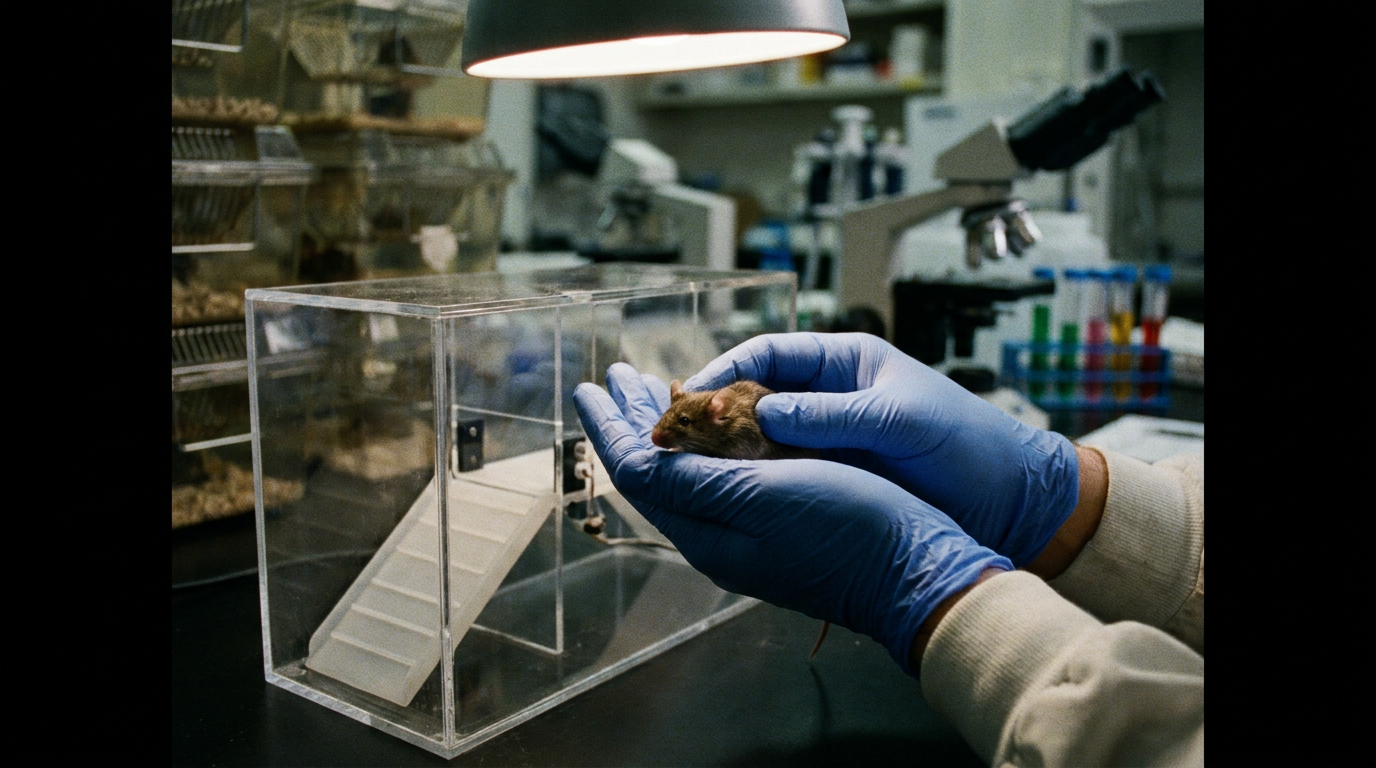
ERV Reactivation Drives C4b-Mediated Synaptic Pruning in Autism Models
In mouse models, endogenous retrovirus reactivation leads to C4b upregulation and excessive microglial pruning, contributing to autistic-like…
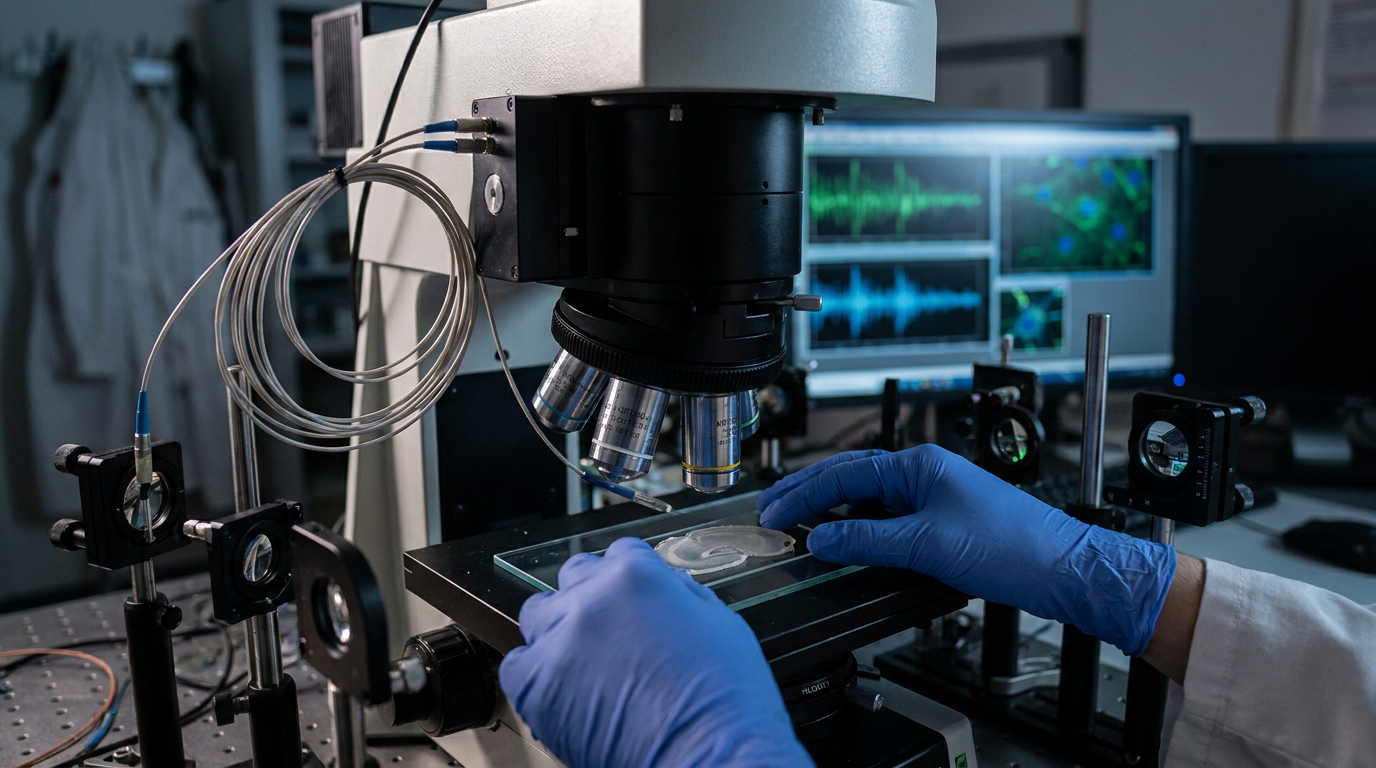
Blood Test Monitors Brain Gene Expression in Nonhuman Primates
A new method uses engineered reporters to noninvasively track transgene activity in primate brains via a simple blood draw.
New Imaging Reveals Hippocampal Dendrite Signaling Dynamics In Vivo
A novel 3D motion-corrected imaging platform allows direct observation of electrical and calcium activity in live neuronal dendrites.

Noradrenaline-Amygdala Circuit Modifies Aversive Memories During Recall
A new study in rats identifies a specific brainstem-amygdala pathway and molecular mechanism governing aversive memory reconsolidation.
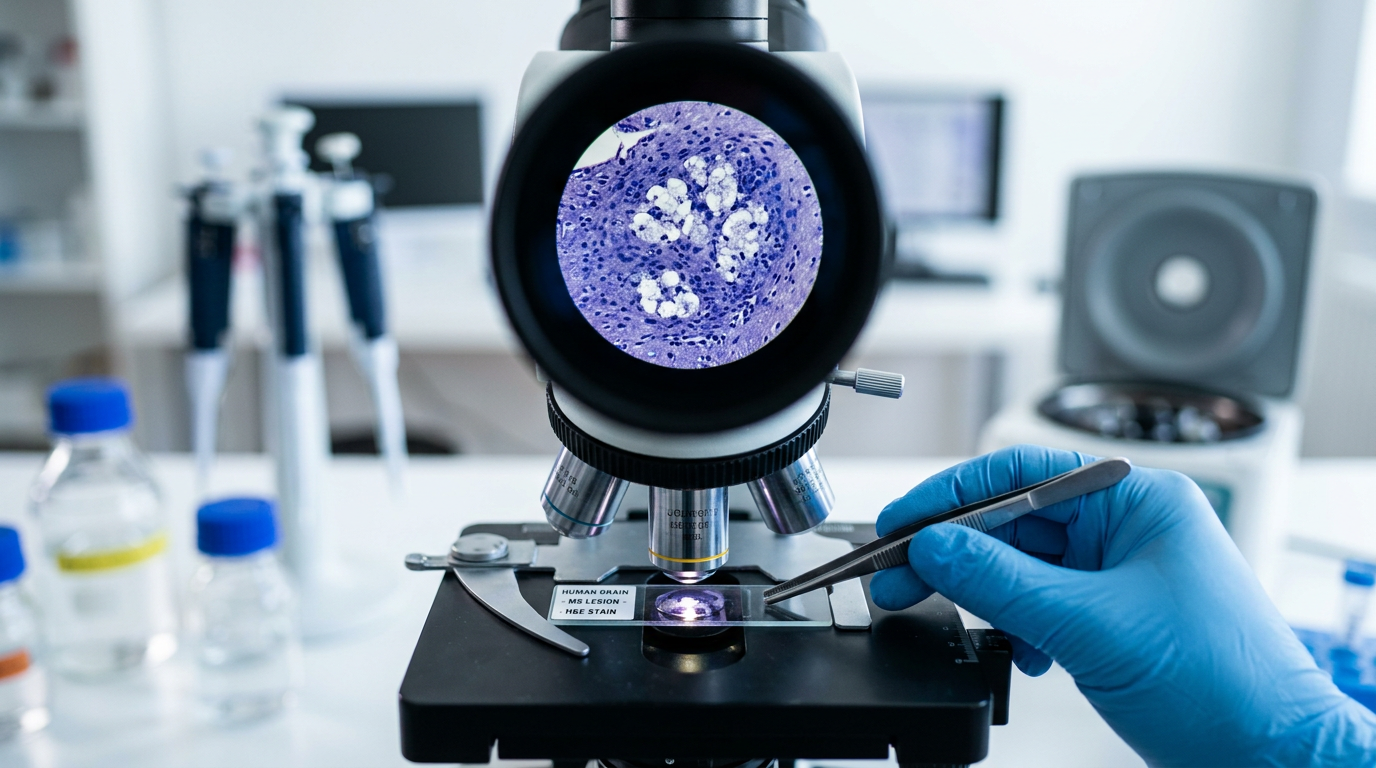
Evolutionary Adaptation Reveals Neuronal Pathway for Myelination and Repair
A Retsat variant from high-altitude species uncovers a neuron-to-glia signaling mechanism that promotes central nervous system myelin formation…

Specific Genetic Elements Control Blood-Brain Barrier Endothelial Cell Function
Researchers identify a key DNA segment and transcription factors that regulate the unique gene expression of CNS vascular endothelial cells.
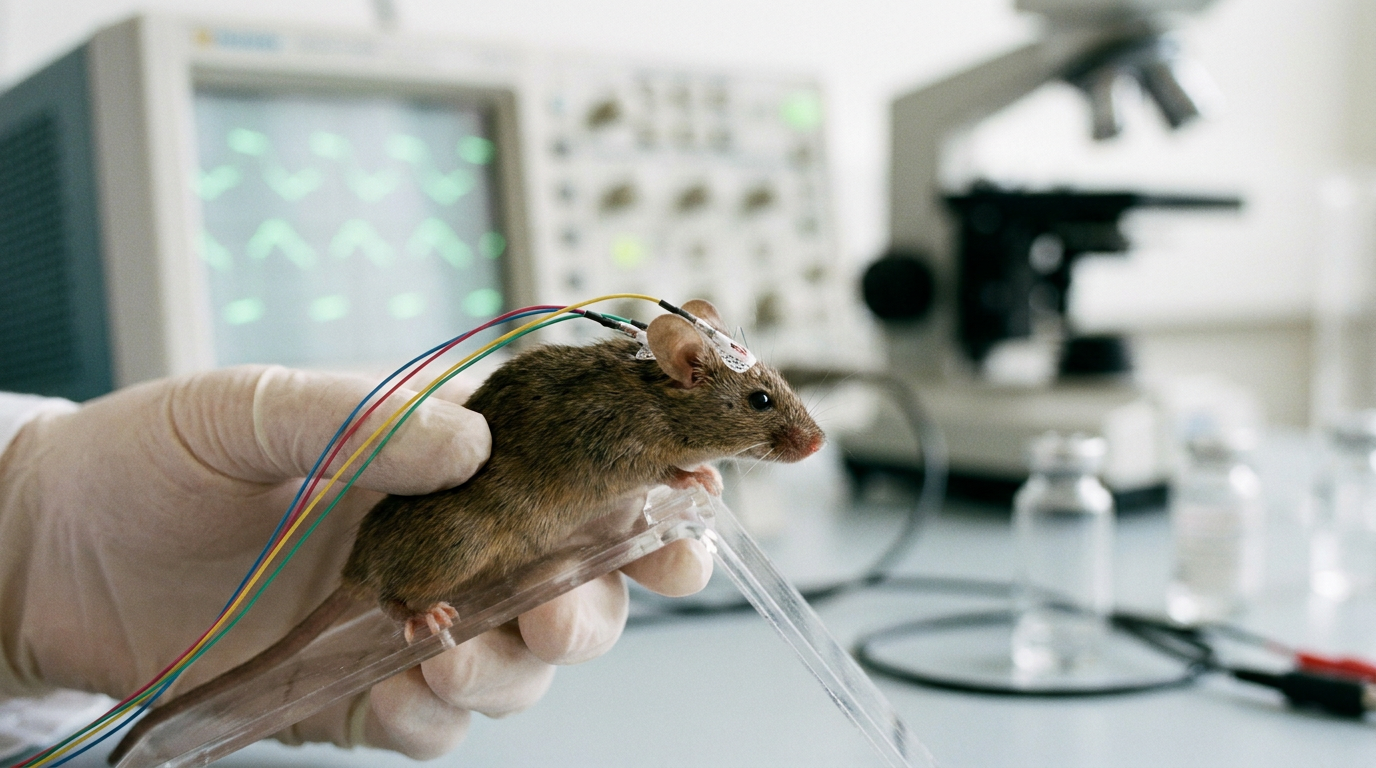
ATF2 Phosphorylation Drives Neuronal Apoptosis in Neurodegenerative Disease Models
A genome-wide screen identifies a specific molecular cascade involving ATF2 phosphorylation as a core driver of neuronal cell death.
VTA-mPFC Dopamine Circuit Drives Stress-Induced Sleep Fragmentation in Mice
A new study in mice identifies specific dopaminergic neuron hyperexcitability as a key mechanism behind chronic stress-related sleep disruption.
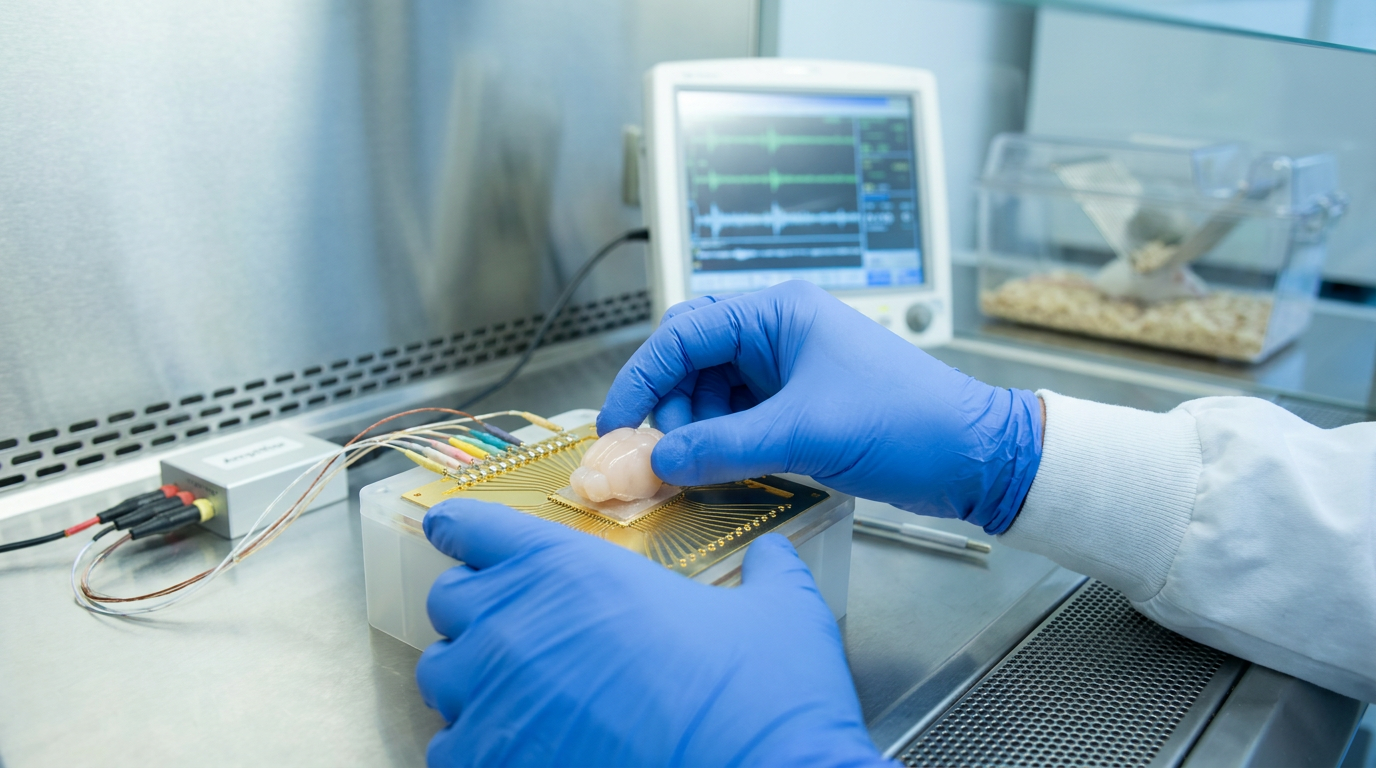
Brainstem Circuit Mediates Slow-Wave Sleep's Anxiety Reduction
A specific GABAergic pathway from the parafacial zone to the ovBNST is identified as crucial for sleep-related anxiolysis.
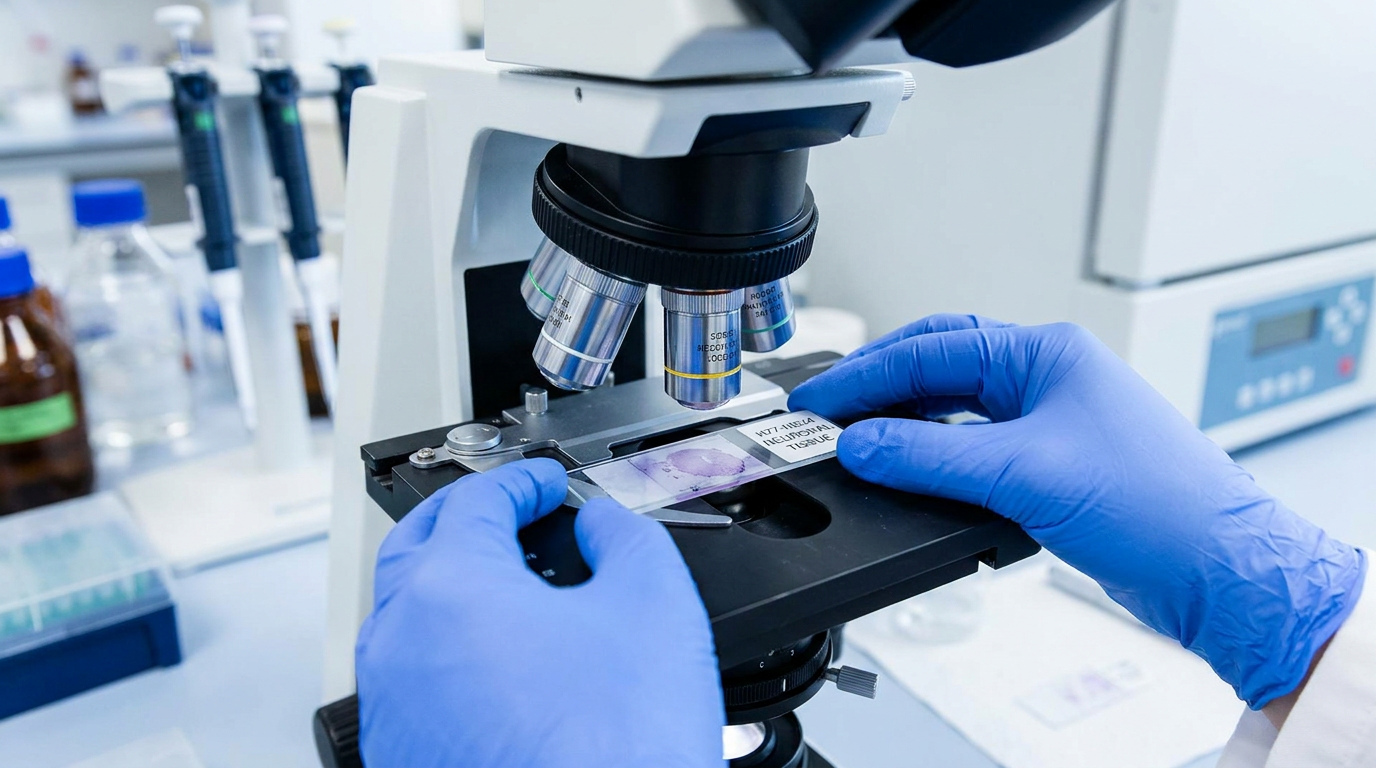
Retrosplenial Cortex Adapts History Integration for Flexible Decisions
Mouse study reveals how the retrosplenial cortex dynamically adjusts its processing of past experiences to support adaptive behavior.
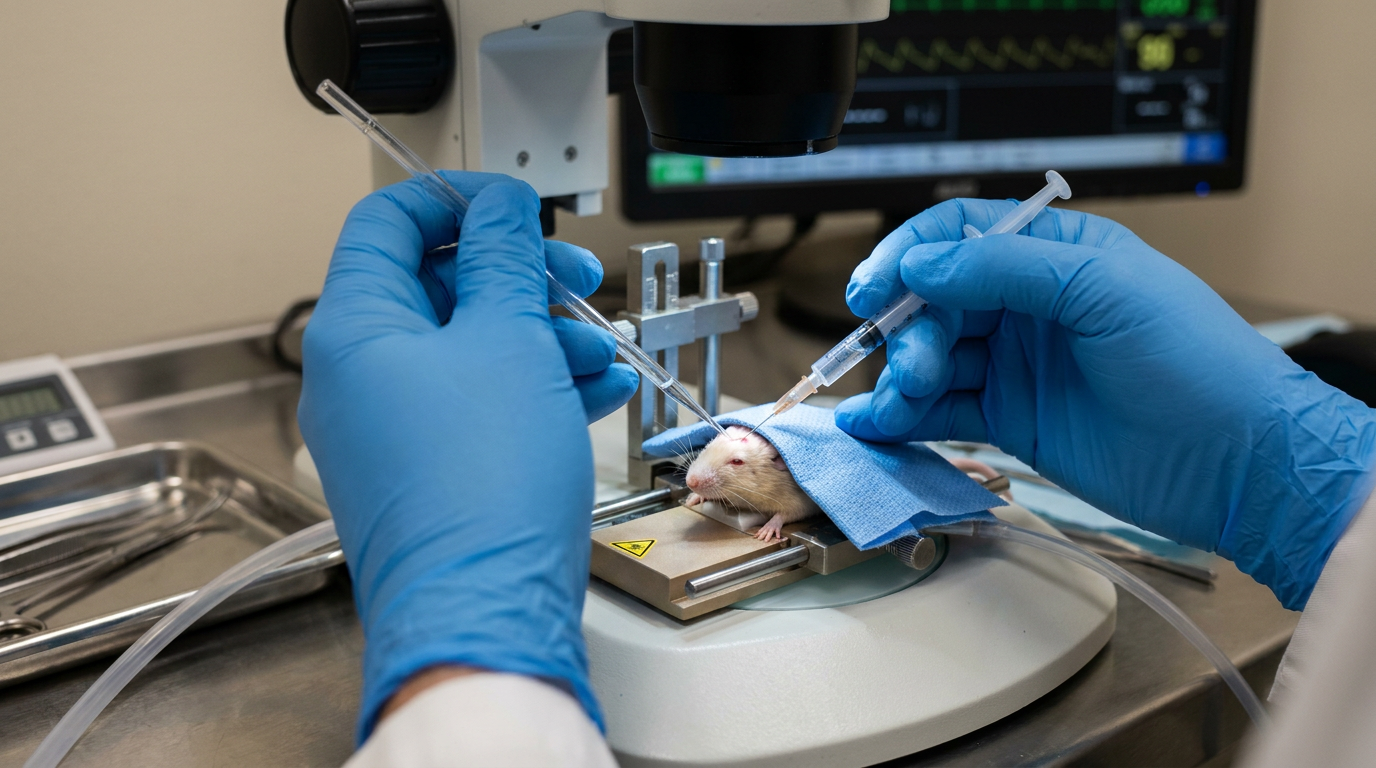
Ependymal Cilia Mechanics Control Adult Neural Stem Cell Quiescence
A new study identifies how mechanical forces from ependymal cell cilia regulate neural stem cell activity through specific ion channels.
EPAC2 Antagonism Restores Cortical Function, Behavior in Fragile X Mouse Model
Targeting EPAC2 reverses molecular and functional deficits in a preclinical model of Fragile X Syndrome, suggesting a therapeutic avenue.