
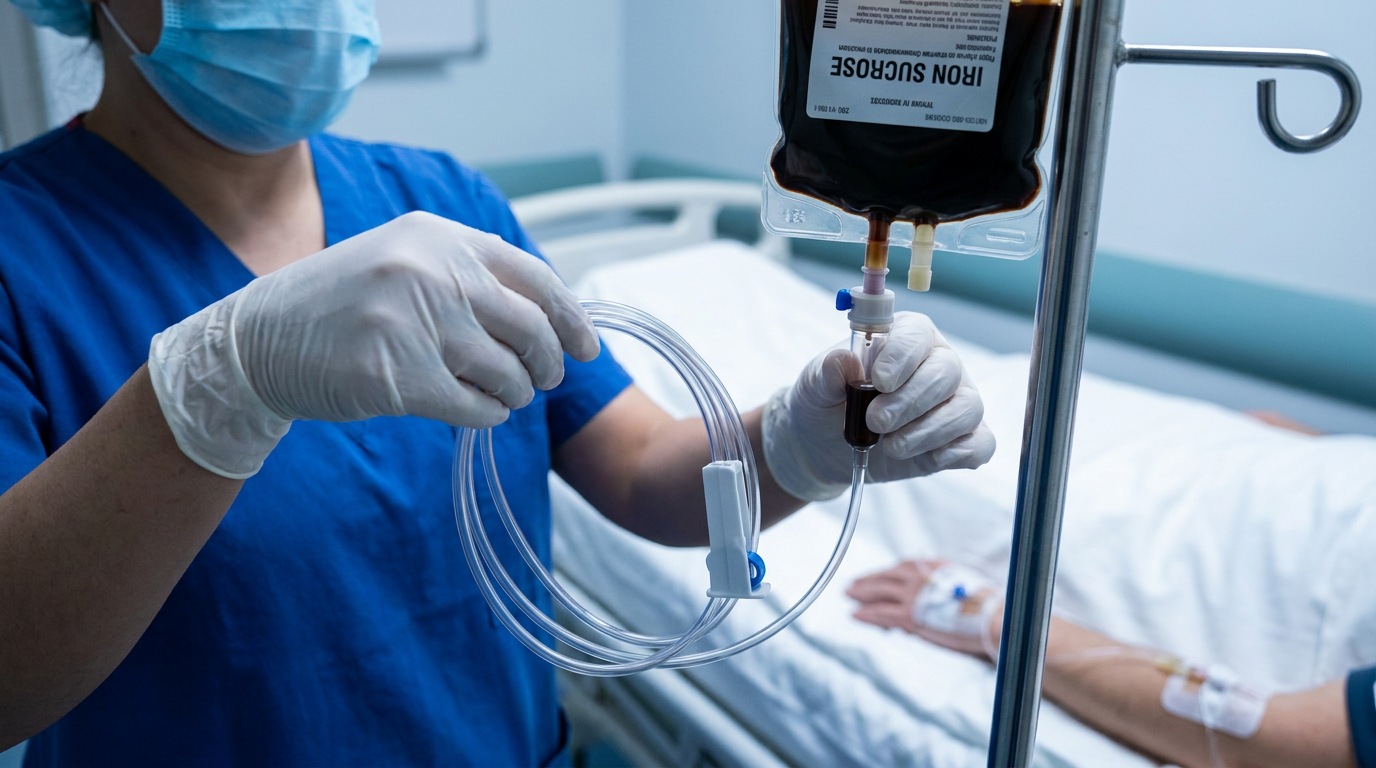
IV Iron Linked to Improved Survival, Anemia Recovery in Acute Infection
A retrospective cohort study suggests intravenous iron administration during acute infection does not worsen outcomes and may offer benefits.
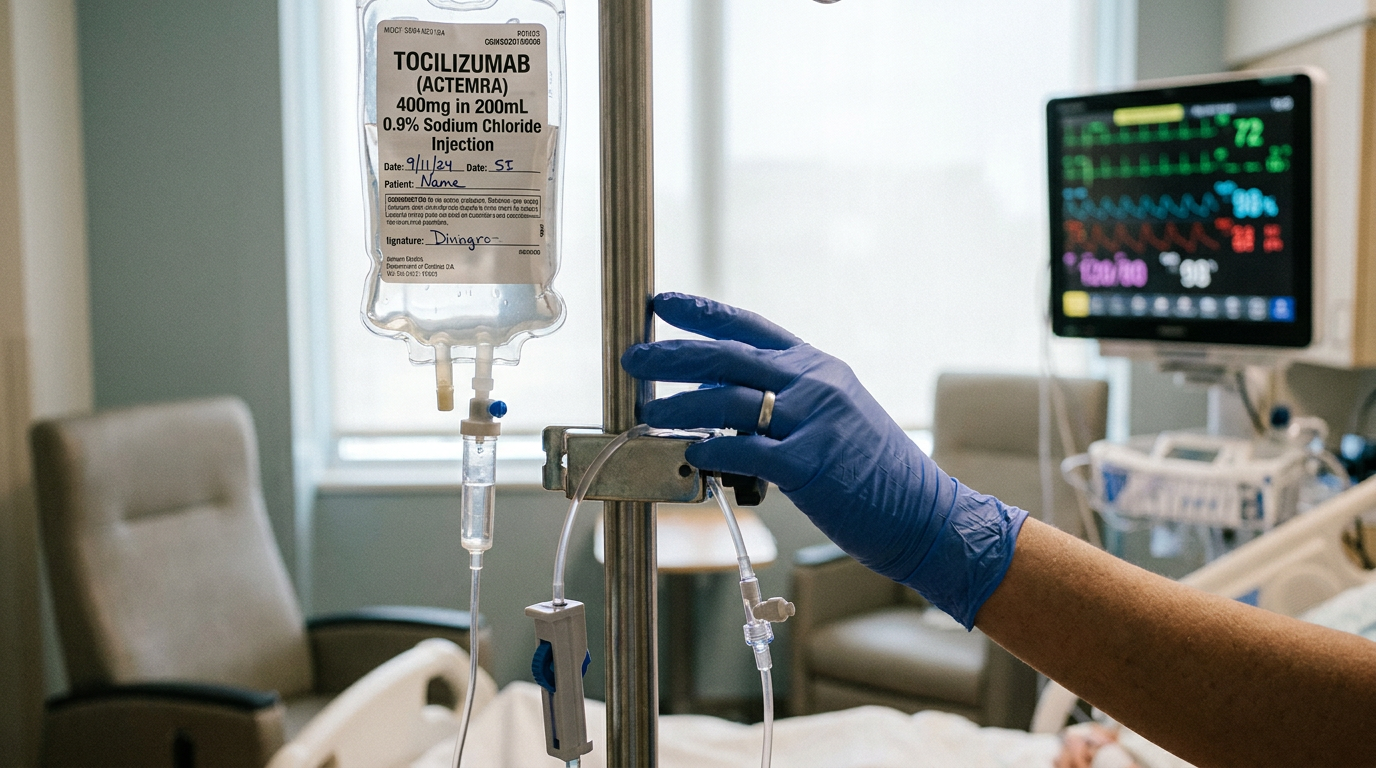
French NOMADMUS Cohort Details AQP4+NMOSD, MOGAD Trends
A nationwide registry in France provides real-world data on diagnostic and therapeutic shifts, and disease activity in AQP4+NMOSD and MOGAD.

CT-Detected White Matter Disease Signals Higher Stroke/Dementia Risk Than MRI-Only Findings
A large cohort study reveals distinct prognostic implications for covert cerebrovascular disease based on imaging modality.

Multiomic Analysis Reveals CTCL Progression Mechanisms, Identifies Therapeutic Targets
A comprehensive multiomic study uncovers specific molecular alterations driving cutaneous T-cell lymphoma progression and therapy resistance.

Smoking Cessation Reduces Dementia Risk, But Weight Gain May Attenuate Benefit
A large prospective cohort study indicates quitting smoking lowers long-term dementia risk, though substantial post-cessation weight gain may…

True Refractoriness to Caplacizumab in iTTP Is Rare
A multicenter study found that delayed platelet recovery in iTTP patients on caplacizumab is usually due to confounding factors, not true…

Orca-T Immunotherapy Enriches Regulatory-Like T-Cells Early Post-Transplant
A specific T-cell subset, CD4+CD25-FOXP3+Helios+ T conventional cells, is enriched early after Orca-T and correlates with later immune activation.

T-Cell Lymphoma Neuropathy Differs From B-Cell Counterpart, Often Neurolymphomatosis
A multicenter study details the distinct clinical and pathological features of peripheral neuropathies in T-cell lymphoproliferative disorders.

QCT Fibrosis Score Thresholds Predict Transplant-Free Survival in IPF
Specific quantitative CT fibrosis score changes identify idiopathic pulmonary fibrosis patients at higher risk for worse outcomes.
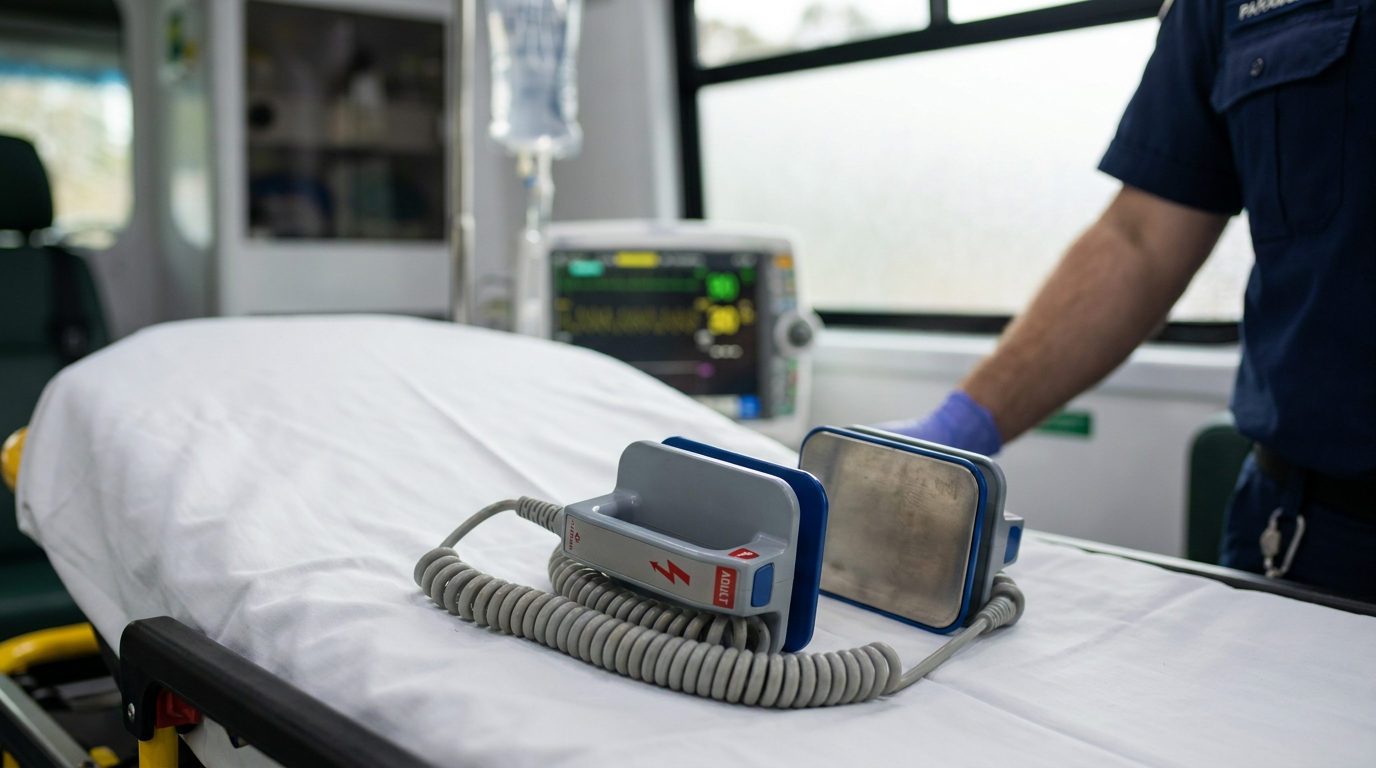
Naloxone Linked to Improved Survival in PEA Out-of-Hospital Cardiac Arrest
A retrospective cohort study suggests prehospital naloxone administration is associated with better survival to discharge for OHCA patients.

Prone Positioning Use Surged During Pandemic, Declined Post-COVID
A North American study reveals a significant increase in prone positioning for hypoxemic patients during the pandemic, followed by a notable decrease.

Neurobehavioral Profile of Young Steroid-Naive Boys With Duchenne Muscular Dystrophy
A multinational study characterizes baseline social, emotional, and learning challenges in young boys with Duchenne muscular dystrophy.