

Short-Interval Botulinum Toxin Injections Induce Sustained Glabellar Muscle Suppression
A three-year electromyographic study shows that frequent onabotulinumtoxinA dosing maintains muscle paralysis 48 weeks after treatment ends.

Metabolic Disease Burden Rises in Southern Italy Despite National Declines
A 33-year analysis reveals widening geographic disparities in metabolic health and a growing proportion of unattributable disease burden.

Age, Rhythm, and Low-Flow Duration Predict Neurological Recovery After ECPR
A 14-year cohort study identifies specific predictors to help clinicians select cardiac arrest patients for extracorporeal resuscitation.

Three or More Breast Cancer Foci Increase Specific Mortality Risk
A Swedish cohort study of 71,607 women finds that multifocality independently predicts worse survival despite traditional staging.

School Transition Drives Adolescent Well-being Decline More Than Aging
A longitudinal study of 20,910 students shows secondary school transition triggers well-being deficits lasting over two years.
French Cohort Study Maps Perinatal Risks for Neurodevelopmental Disorders
A study of 7.4 million children identifies shared and distinct risk factors for ADHD, autism, and intellectual disability.

Endothelial Expansion Drives Vascular Hyalinization in Castleman Disease
Transcriptomic analysis identifies endothelial-B cell crosstalk as a primary driver of stromal dysregulation and systemic inflammation.

Cystatin C Discrepancy Predicts Kidney Injury and Death in Cell Therapy
A 30% gap between creatinine and cystatin C filtration estimates identifies high-risk transplant and T-cell therapy candidates.
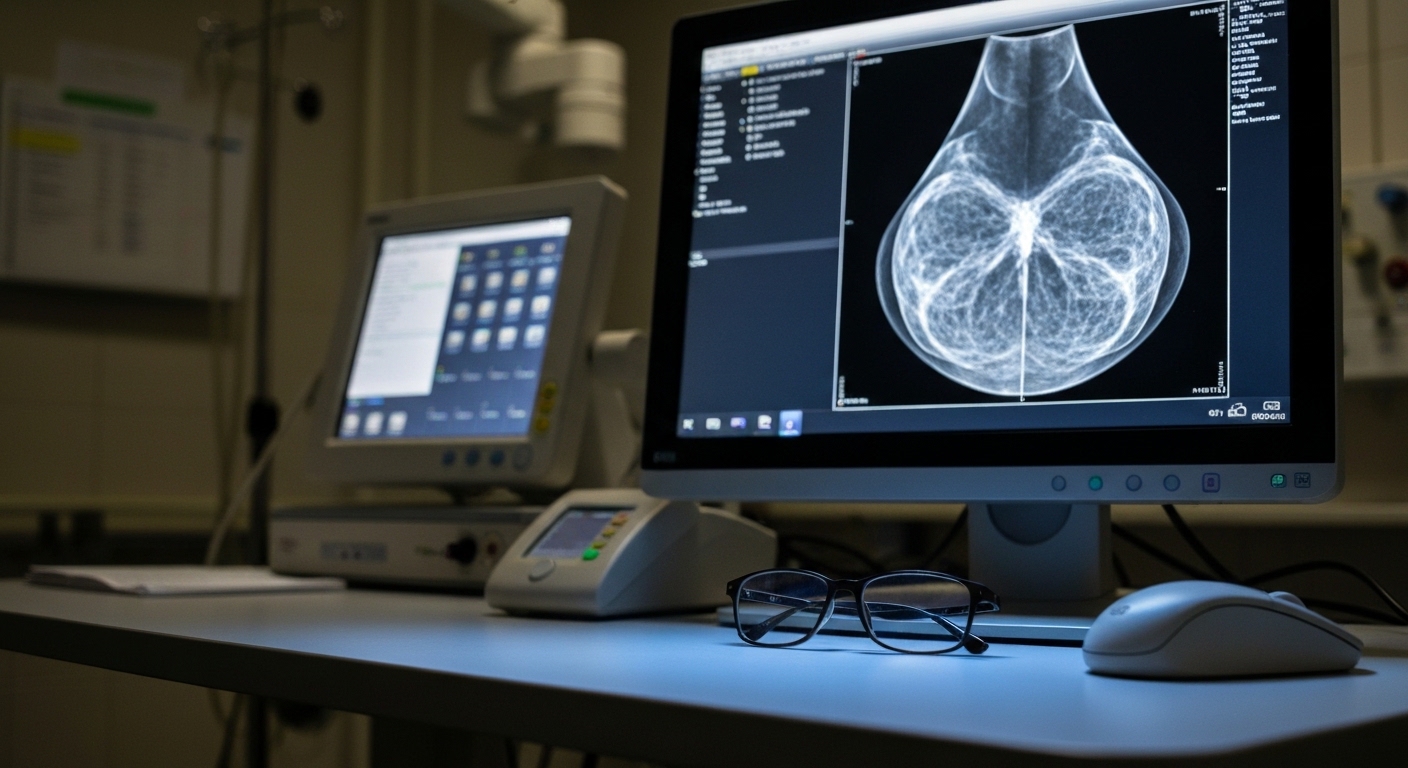
AI Risk Scores Link to Low-Grade Malignancy Before Clinical Detection
Retrospective analysis shows AI-generated risk scores from prior-year mammograms correlate with tumor grade and invasive lobular pathology.
Preoperative Beta Connectivity Predicts Delirium Risk in Older Surgical Patients
A multicenter study finds reduced brain network communication at baseline identifies vulnerability, though EEG patterns recover by 3 months.

Genetic Factors Drive Association Between Infections and Tic Disorder Risk
A Swedish cohort study of 3.8 million people suggests shared genetic pleiotropy links infection history to Tourette syndrome risk.
Pre-Diagnosis FEV1 Decline Predicts Lung Transplant Survival
The rate of lung function loss in the three months before chronic lung allograft dysfunction onset identifies high-risk patients.