

Impulsivity Traits Mediate Childhood Trauma and Subjective Health Burdens
Nearly one-third of adults with childhood trauma report subjective health impacts without a formal psychiatric diagnosis.
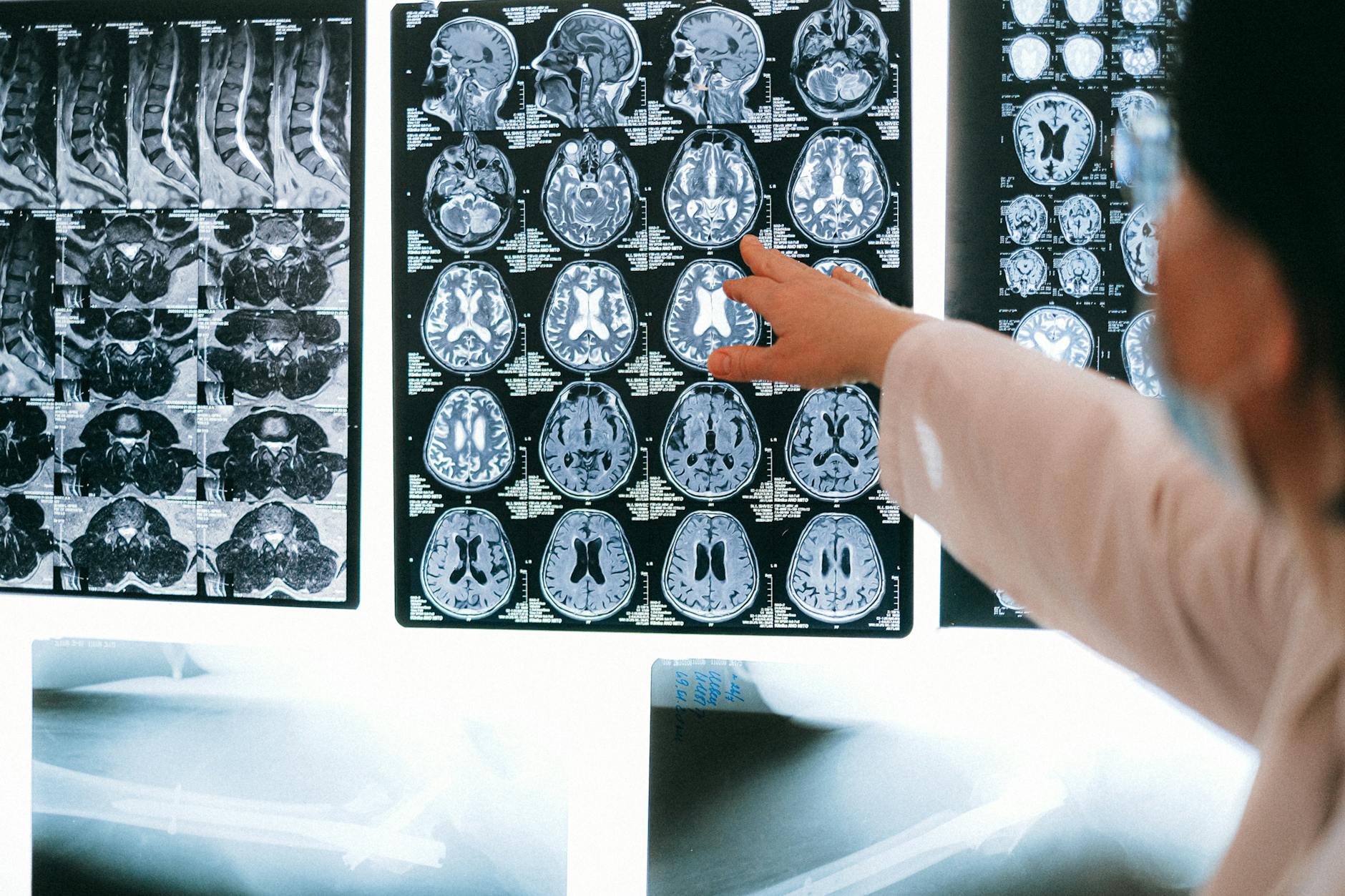
Initial EEG and Neonatal Onset Predict Genetic Epilepsy Outcomes
Specific electroencephalography patterns and neonatal seizure onset strongly correlate with drug resistance and severe developmental delay.

Conservative Care Reduces Hospital Stay in Severe Liver Trauma
A UK study shows non-operative management for severe liver trauma yields shorter hospital stays without increasing 30-day mortality.

COVID-19 Does Not Alter Catatonia Presentation or Treatment Response
A four-year retrospective study finds no significant clinical differences between pre-pandemic and post-pandemic catatonia cases.

15-Item Tool Predicts Post-Intensive Care Syndrome at Three Months
A new 15-question assessment administered at intensive care unit discharge shows moderate accuracy in predicting long-term functional decline.

Structured Follow-Up Reduces Heart Disease Readmissions and Improves Adherence
A retrospective cohort study finds continuity of care cuts cardiovascular readmission rates from 16.4% to 5.5% over six months.
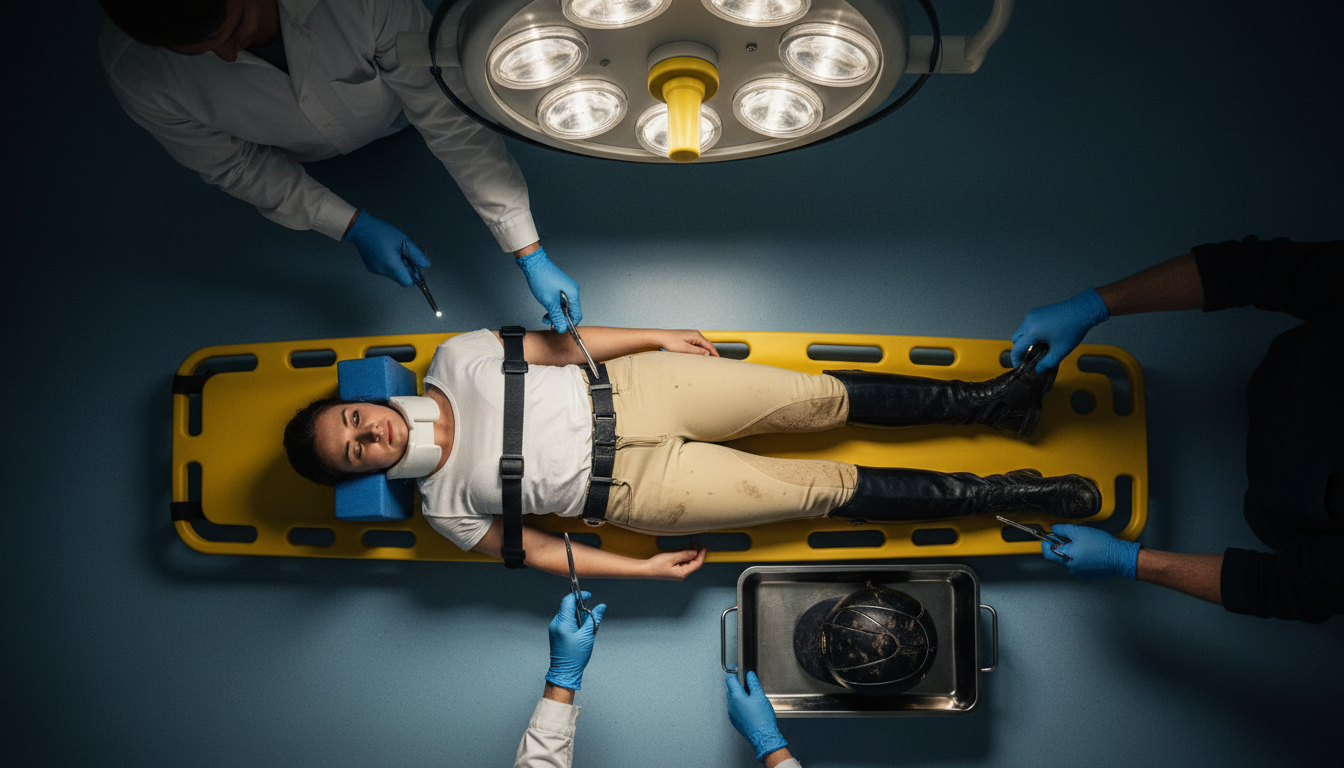
Spinal and Head Injuries Dominate Emergency Visits for Equestrian Falls
A multicenter study of 669 patients reveals high rates of spinal and head trauma, driving extensive emergency imaging and hospitalizations.

ICU Antipsychotic Exposure Linked to Fewer Catatonia-Free Days
Critically ill patients receiving antipsychotics experience a dose-dependent reduction in days alive and free from catatonia.

Inpatient Rehab Tied to More Days at Home After ICU Discharge
Each hour of inpatient rehabilitation is linked to an 8% higher odds of older ICU survivors spending more time at home post-discharge.

Brain Age Index from Healthy Tissue Predicts Glioma-Related Epilepsy
A neuroimaging metric calculated from non-tumorous brain regions helps clinicians quantify systemic changes and predict seizure risk.

Post-Traumatic Depression Persists in Youth Over One Year
Nearly 40% of trauma-exposed youth show clinically significant depression acutely, with most symptoms persisting at one year without remission.

Changing Negative Beliefs Drives Depression Relief During Psychotherapy
A longitudinal analysis confirms that improving negative self-beliefs during psychotherapy forecasts long-term symptom reduction.