
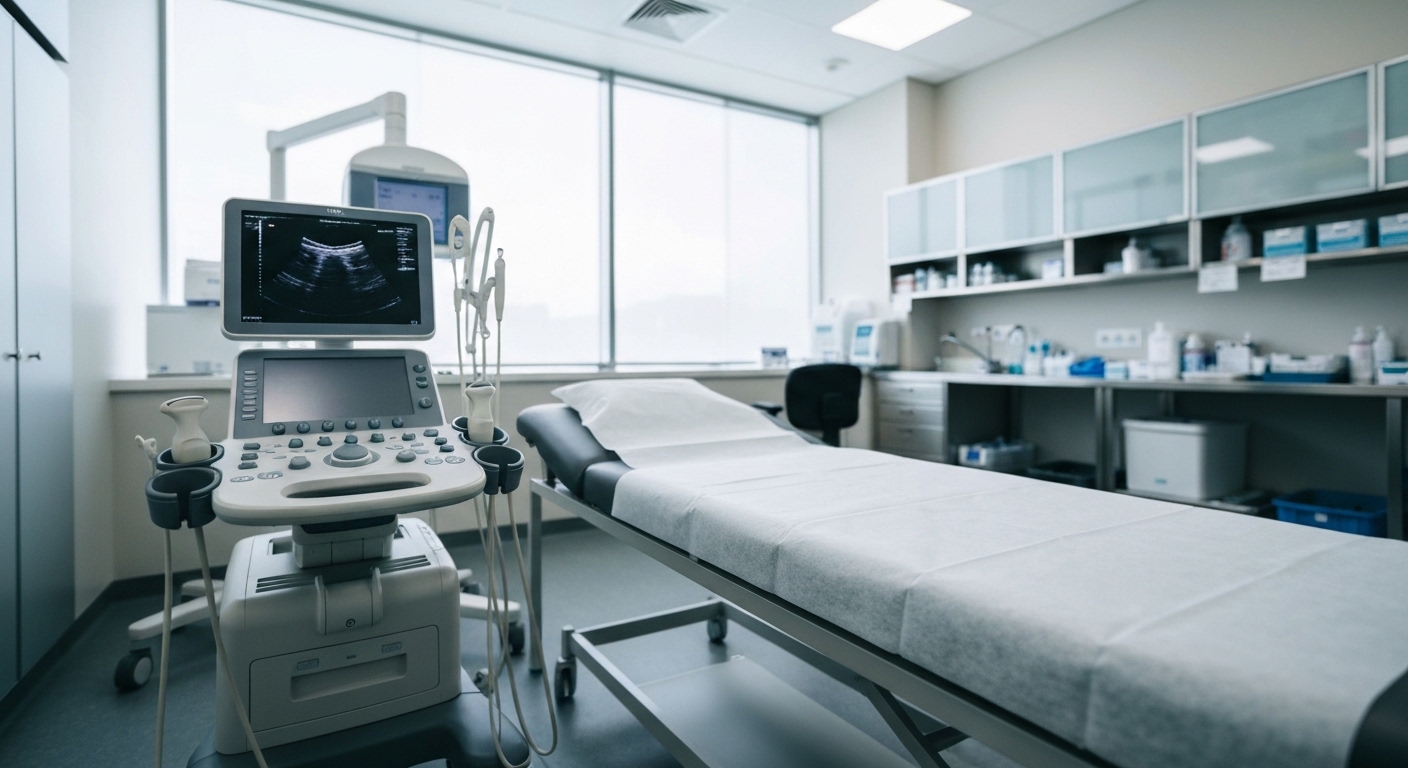
Imaging Accurately Stages Nodal Squamous Cell Carcinoma Except in Immunosuppression
Ultrasonography and CT show 100% sensitivity in immunocompetent patients but fail to detect most early metastases in the immunosuppressed.

Contrast-Enhanced MRI Improves Mesorectal Nodal Staging Accuracy in Rectal Cancer
The Avocado Sign on T1-weighted imaging shows higher sensitivity and specificity than standard T2-weighted morphological criteria.
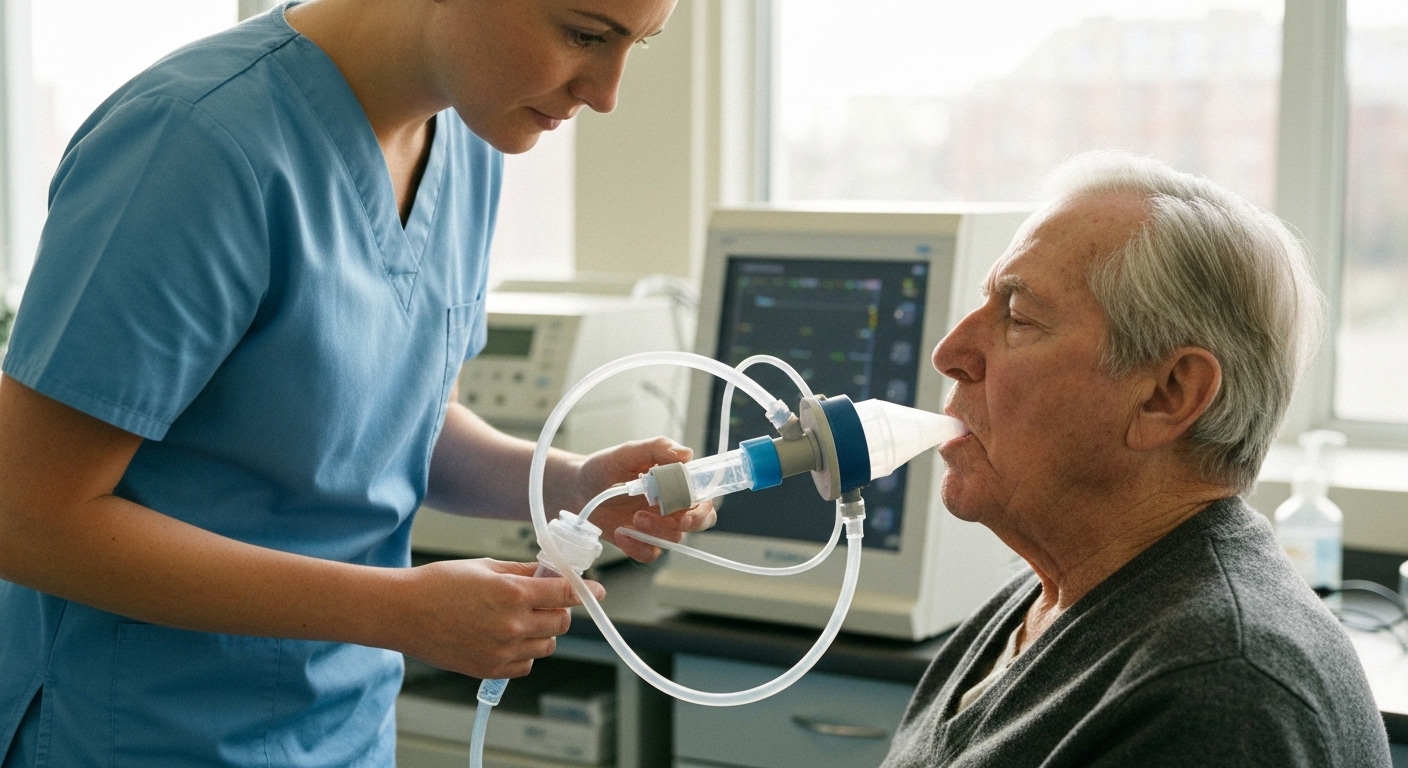
Breath Analysis Distinguishes Alzheimer’s Disease From Other Dementias
A diagnostic model using exhaled volatile organic compounds identifies Alzheimer’s disease with 93% accuracy in a 241-patient cohort.
PIEZO1 Variant Reclassification Identifies Three Clinical Phenotypes in DHS1
A new framework reclassifies 1,000 variants of uncertain significance and links specific protein domains to iron overload risk.

Open-Source AI Models Accurately Classify Pediatric Pneumonia on Radiographs
Large language models match physician adjudication of free-text reports, surpassing traditional machine learning in the emergency department.

Eleven-Protein Plasma Panel Identifies Parkinson’s Disease Across Four Cohorts
A machine learning model using 11 plasma proteins differentiated Parkinson’s from other neurological conditions with high accuracy.
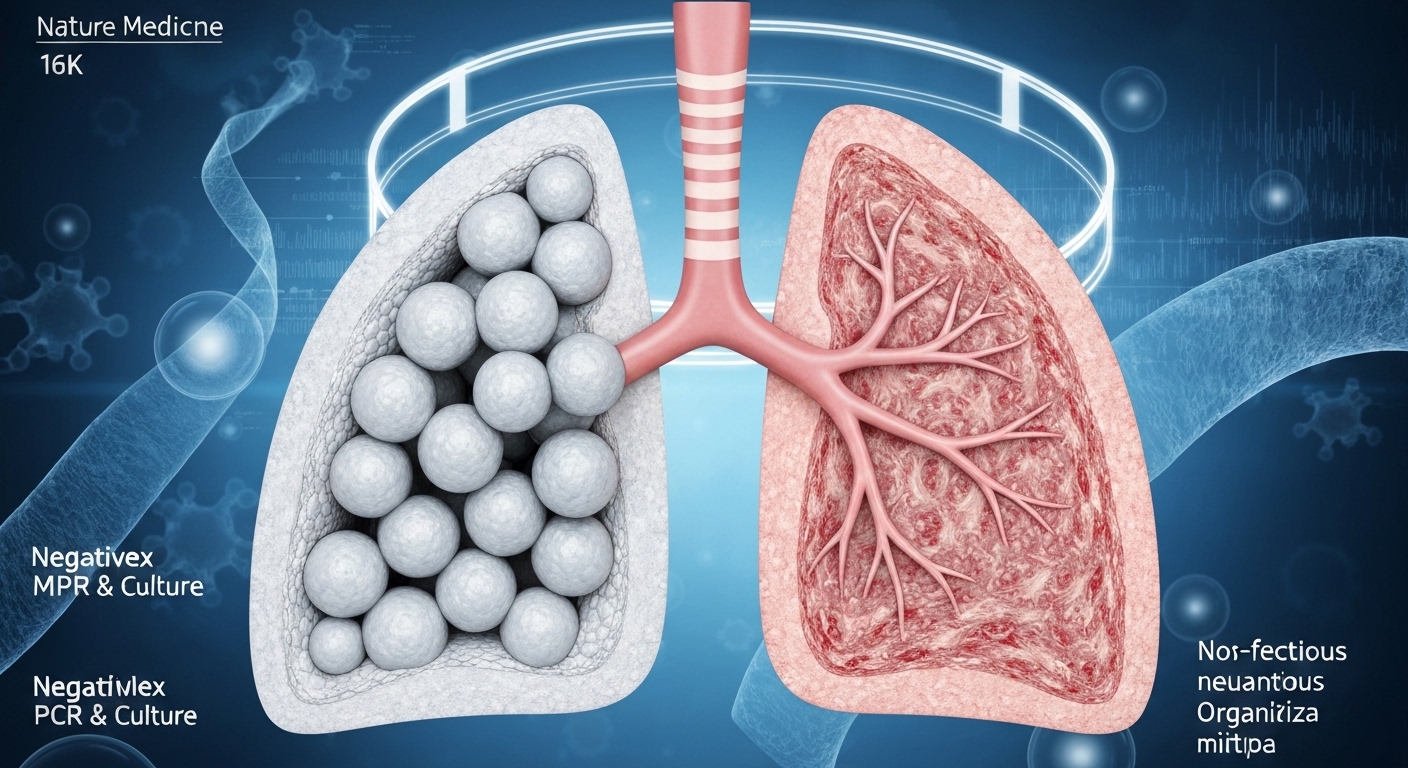
Negative PCR Panel and Sputum Culture Rule Out Pneumonia Mimics
A prospective ICU study shows 91 percent specificity for non-infectious mimics when molecular and culture results are both negative.
Five-Gene Metabolic Signature Identifies Schizophrenia in Prefrontal Neurons
Researchers identified a diagnostic model based on fatty acid metabolism genes in specific neuronal subtypes with an AUC of 0.856.

App-Based Cognitive Tasks Increase Subclinical Mental Health Screening Accuracy to 91%
Combining objective neuropsychological metrics with self-reports identifies subclinical distress more accurately than subjective tools alone.

Revised Chinese DARS Validated for Multidimensional Anhedonia Assessment
A study of 788 psychiatric outpatients confirms a four-factor model for measuring reward deficits across diverse clinical domains.

EEG Topological Mapping Distinguishes Mild from Moderate Stroke with 86% Accuracy
Persistent homology identifies higher-order network disruptions in the prefrontal cortex to improve objective stroke severity assessment.

Coronary CT Angiography Misses Over One Third of Calcified Plaques
High-resolution non-contrast CT identifies small, low-density calcifications overlooked by standard angiography in nearly 9% of patients.