
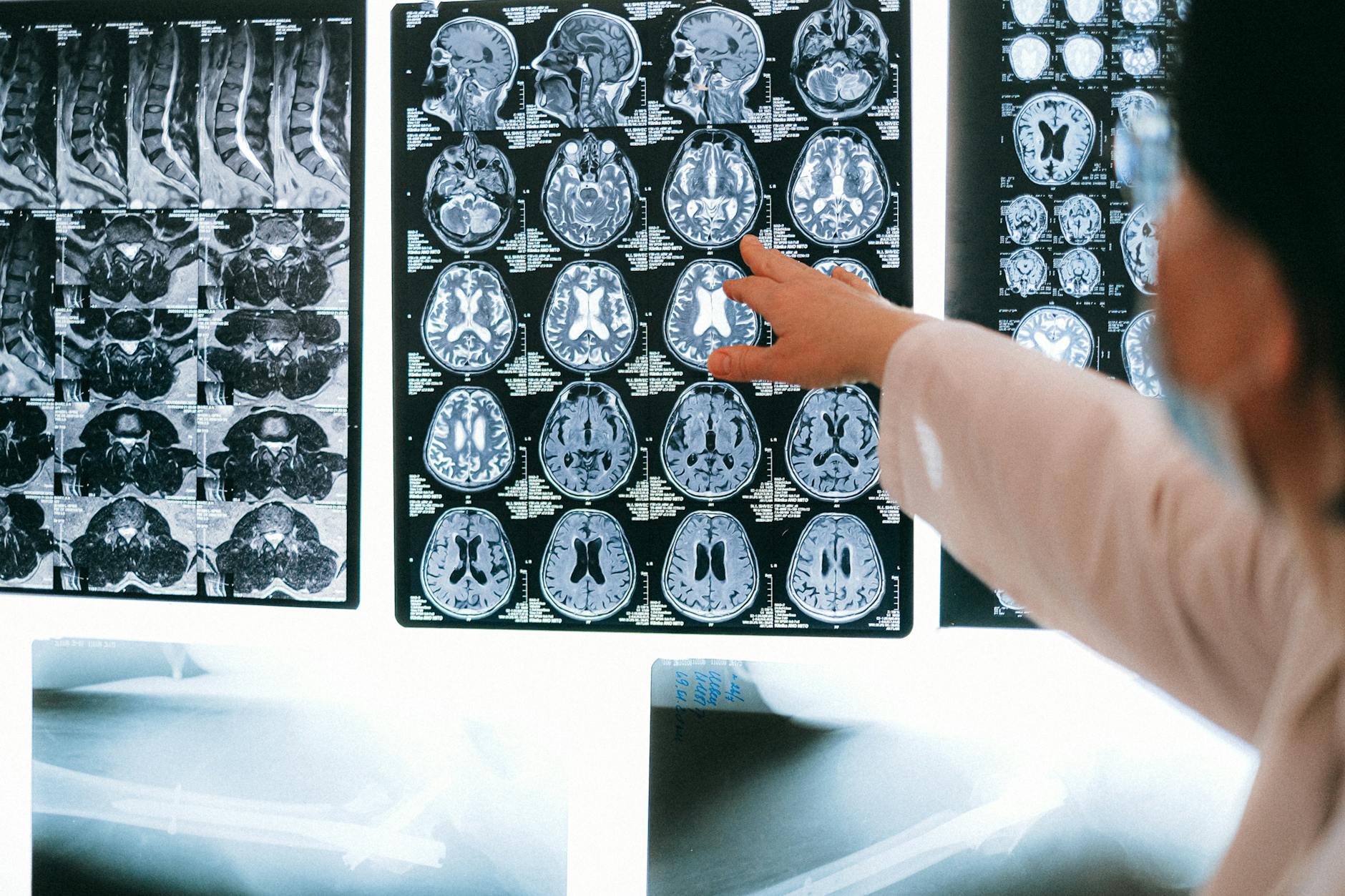
Initial EEG and Neonatal Onset Predict Genetic Epilepsy Outcomes
Specific electroencephalography patterns and neonatal seizure onset strongly correlate with drug resistance and severe developmental delay.
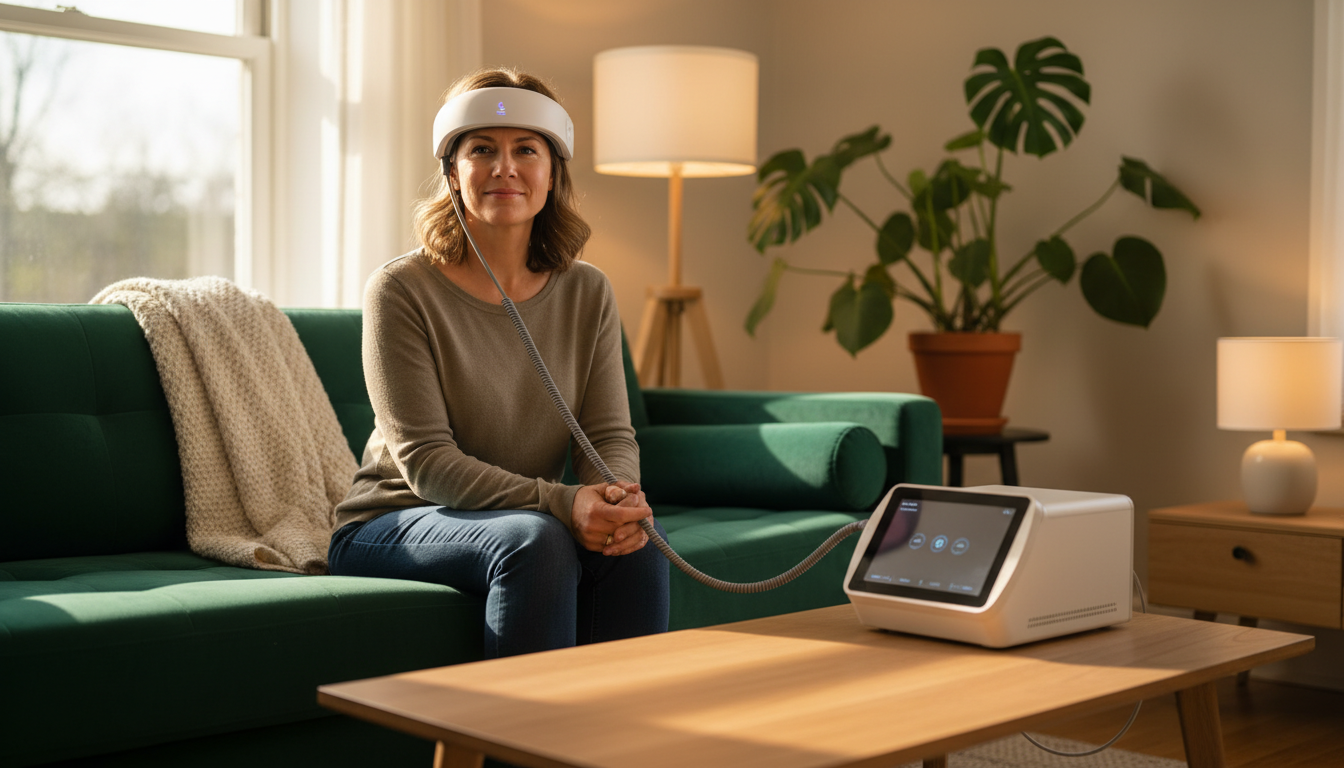
Home-Based Accelerated TMS Proves Feasible for Major Depression
A pilot study shows intensive home-based neuromodulation is safe and reduces depression, though current devices pose logistical hurdles.

COVID-19 Does Not Alter Catatonia Presentation or Treatment Response
A four-year retrospective study finds no significant clinical differences between pre-pandemic and post-pandemic catatonia cases.

15-Item Tool Predicts Post-Intensive Care Syndrome at Three Months
A new 15-question assessment administered at intensive care unit discharge shows moderate accuracy in predicting long-term functional decline.
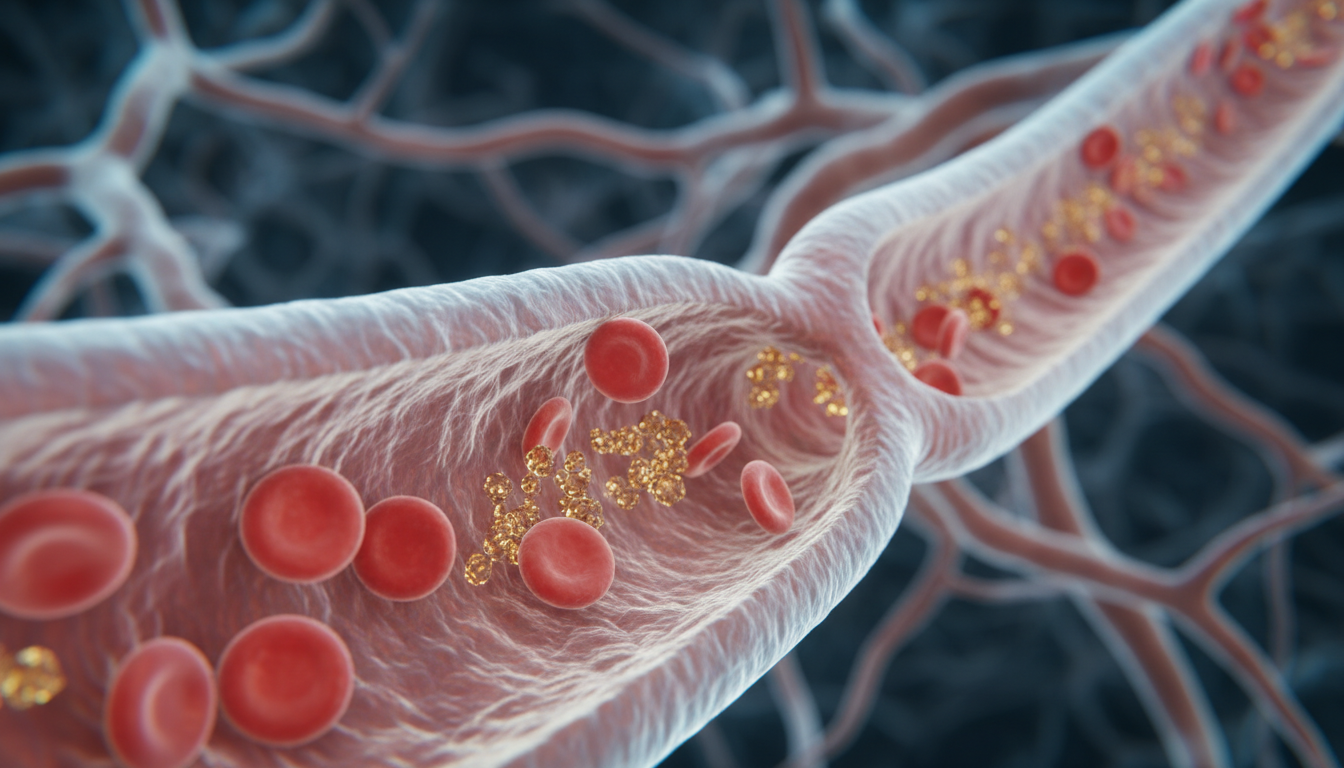
Recent Infection Increases Childhood Stroke Risk; No Link Found for Vaccination
A population-based study finds that infection within 60 days more than doubles stroke risk in children, while vaccination shows no link.
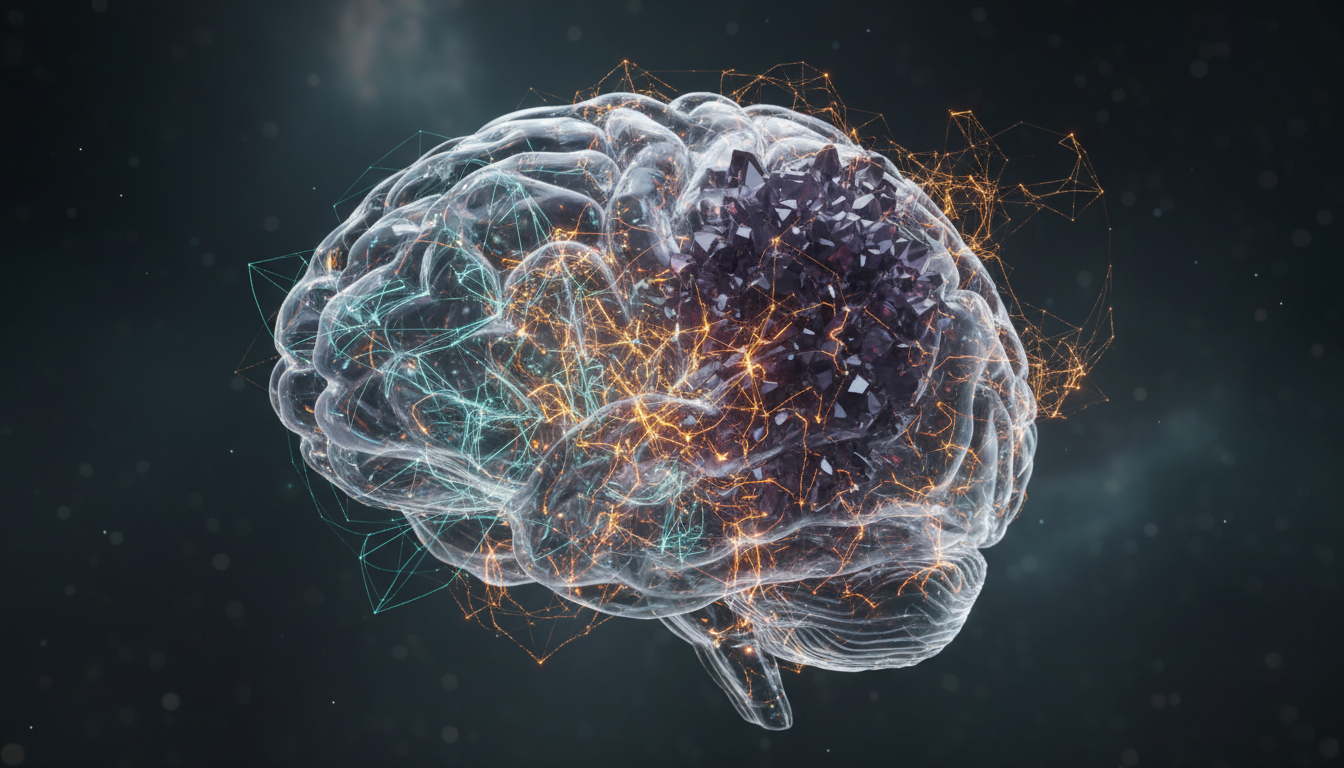
Brain Age Index from Healthy Tissue Predicts Glioma-Related Epilepsy
A neuroimaging metric calculated from non-tumorous brain regions helps clinicians quantify systemic changes and predict seizure risk.
Suicidality at Focal Epilepsy Diagnosis Predicts Treatment Resistance
Adults expressing suicidality when diagnosed with focal epilepsy face a nearly threefold higher risk of failing antiseizure medications.
International Consensus Urges Early Surgery for Hypothalamic Hamartomas
A new Delphi consensus from 17 epilepsy centers establishes standardized protocols for diagnosing and managing rare hypothalamic hamartomas.
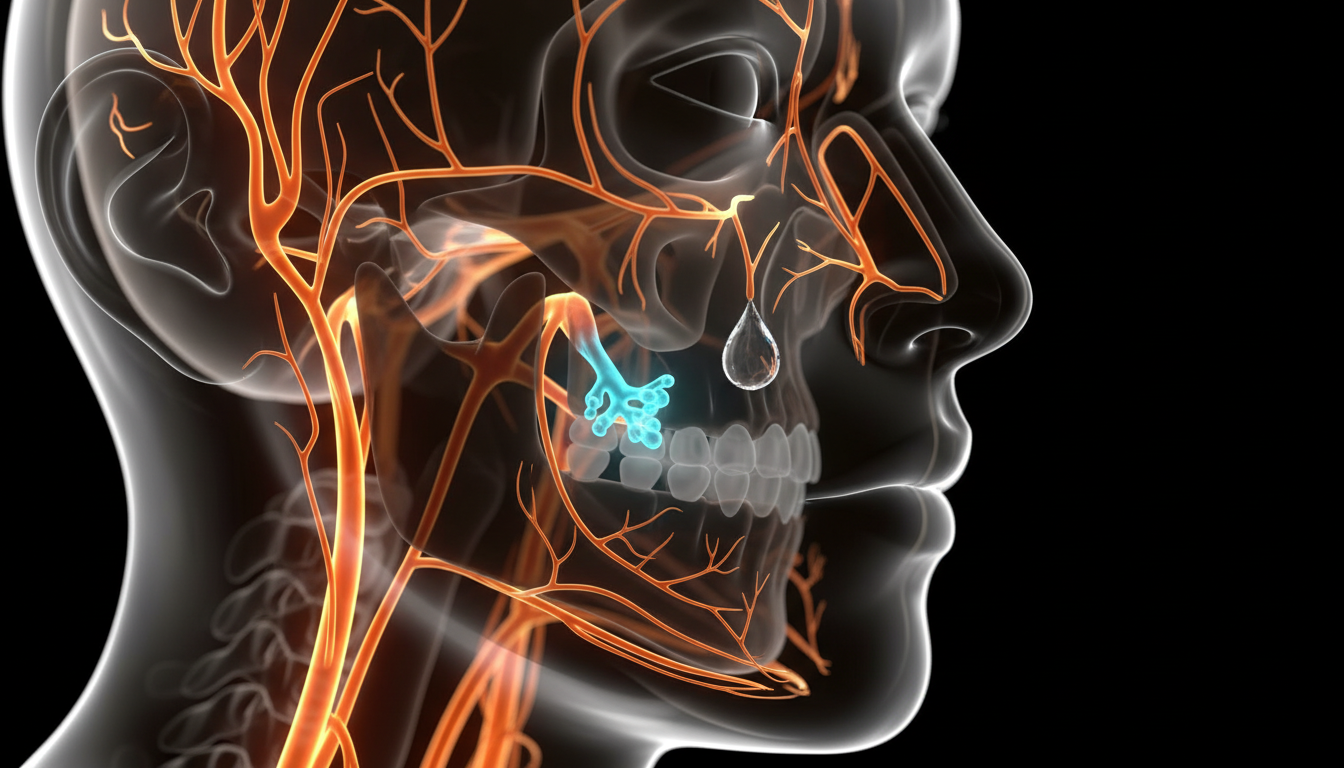
Trial: Higher Bupivacaine Doses Do Not Improve Nerve Block Headache Relief
A randomized trial finds that low-dose, unilateral sphenopalatine ganglion blocks are as effective as higher doses for acute headaches