
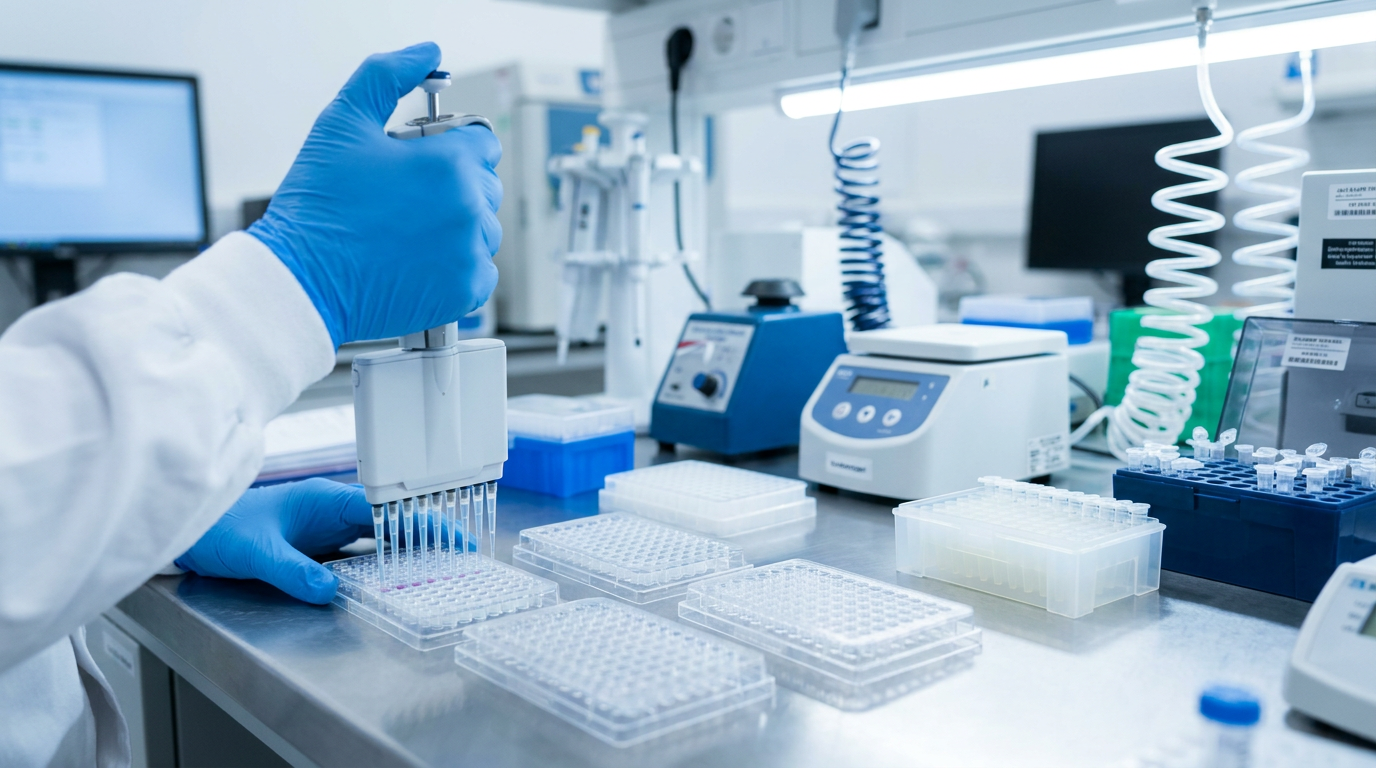
- The study investigated micropipette-guided drug administration (MDA) for non-invasive analgesic delivery in C57BL/6 N and BALB/c mice.
- Researchers evaluated MDA versus subcutaneous injection for carprofen and buprenorphine in male and female mice.
- MDA carprofen at 5, 15, and 30 mg/kg achieved plasma concentrations exceeding 25 μg/mL, comparable to subcutaneous injection.
- The authors concluded MDA offers an effective alternative to parenteral injection for analgesic treatment in rodents.
- This suggests MDA could improve animal welfare by providing a less invasive method for delivering therapeutically relevant drug levels.
Advancing Analgesic Delivery in Preclinical Models
The imperative to refine animal research protocols is driven by both ethical considerations and the need for scientific rigor, particularly in the management of pain and distress [1]. Effective analgesia is a cornerstone of preclinical studies, as it directly impacts animal welfare and the reliability of experimental outcomes in fields ranging from neuroinflammation to the study of cortical and corticothalamic pain circuits [2, 3, 4]. Traditional parenteral administration, while common, can itself be a source of stress, potentially altering physiological responses and confounding drug pharmacokinetics [5, 4, 6]. Consequently, the development of less invasive, voluntary drug delivery methods that achieve therapeutic concentrations, especially within the central nervous system, is a critical goal for improving the translational value of preclinical science.
Evaluating a Less Invasive Analgesic Delivery Method
To address the need for refined analgesic protocols, a recent study evaluated a non-invasive technique known as micropipette-guided drug administration (MDA). This method encourages voluntary consumption by mixing analgesics into a palatable vehicle, in this case sweetened condensed milk, thereby avoiding the stress associated with injections. The primary objective was to determine if MDA could achieve therapeutically relevant plasma and brain concentrations of two widely used analgesics, carprofen and buprenorphine. The investigation was conducted in both male and female C57BL/6 N and BALB/c mice, a design choice intended to ensure the findings are applicable across different genetic backgrounds and sexes, which is essential for assessing the generalizability of preclinical data.
Carprofen: Comparable Plasma Exposure via MDA
The investigation of carprofen, a nonsteroidal anti-inflammatory drug, yielded straightforward results. When delivered via the micropipette-guided drug administration (MDA) method at doses of 5, 15, and 30 mg/kg, the drug produced a clear dose-response relationship. The resulting plasma exposure was found to be comparable to that achieved with conventional subcutaneous injections of the same doses. Critically, for clinicians who rely on preclinical data to inform drug development, the plasma concentrations of carprofen administered via MDA consistently exceeded the recommended therapeutic threshold of approximately 25 μg/mL in a dose-dependent fashion. This finding demonstrates that for carprofen, the less invasive oral MDA route is as effective as injection for achieving systemic therapeutic levels.
Buprenorphine: Route-Dependent Pharmacokinetics and Brain Penetration
In stark contrast to carprofen, the pharmacokinetics of buprenorphine were substantially influenced by the route of administration. To compensate for significant presystemic first-pass metabolism, a concept familiar in clinical practice, the researchers used higher doses for MDA (0.5, 1.0, and 2.0 mg/kg) than for subcutaneous injection (0.05, 0.1, and 0.2 mg/kg). Subcutaneous injection led to higher initial plasma concentrations, whereas MDA resulted in a dose-dependent delay in reaching peak plasma levels and produced higher concentrations of the major metabolite, buprenorphine-3-glucuronide. Although plasma concentrations of the parent buprenorphine compound failed to reach the accepted therapeutic threshold of 1 ng/mL via either route, a pivotal finding emerged from analysis of the target organ. At 8 hours post-treatment, brain concentrations of buprenorphine surpassed the proposed efficacy thresholds of 3–5 ng/g across all MDA doses. This discrepancy highlights that for a centrally acting analgesic, systemic plasma levels may not be an adequate proxy for target site engagement.
Clinical Implications for Preclinical Analgesia
These findings establish micropipette-guided drug administration as a viable and less stressful alternative to parenteral injections for delivering analgesics in preclinical models. For carprofen, the method reliably achieved therapeutic plasma concentrations comparable to injection. The results for buprenorphine, however, offer a more nuanced and clinically relevant insight. The failure of plasma levels to reach the therapeutic threshold, juxtaposed with the achievement of effective concentrations in the brain, underscores a fundamental principle for physicians interpreting pharmacokinetic data. For drugs targeting the central nervous system, systemic levels can be misleading, and direct measurement of target tissue concentration may provide a more accurate assessment of therapeutic potential. By minimizing procedural stress, methods like MDA can improve the welfare of research animals and, crucially, enhance the validity of the preclinical data that forms the foundation for human clinical trials.
References
1. Díez-Solinska A, Vegas Ó, Azkona G. Refinement in the European Union: A Systematic Review. Animals. 2022. doi:10.3390/ani12233263
2. Wang G, Hou X, Liu H, et al. Descending projection neurons in the primary sensorimotor cortex regulate neuropathic pain and locomotion in mice. Nature Communications. 2025. doi:10.1038/s41467-025-61164-8
3. Jia W, Wang X, Xia X, et al. A corticothalamic circuit modulates pain sensitivity and mediates innate fear-induced analgesia in male mice. Nature Communications. 2026. doi:10.1038/s41467-026-70580-3
4. Scarborough J, Mueller FS, Arban R, et al. Preclinical validation of the micropipette-guided drug administration (MDA) method in the maternal immune activation model of neurodevelopmental disorders. Brain Behavior and Immunity. 2020. doi:10.1016/j.bbi.2020.04.015
5. Iwasaki M, Lefèvre A, Althammer F, et al. An analgesic pathway from parvocellular oxytocin neurons to the periaqueductal gray in rats. Nature Communications. 2023. doi:10.1038/s41467-023-36641-7
6. Li J, Wei Y, Zhou J, et al. Activation of locus coeruleus-spinal cord noradrenergic neurons alleviates neuropathic pain in mice via reducing neuroinflammation from astrocytes and microglia in spinal dorsal horn. Journal of Neuroinflammation. 2022. doi:10.1186/s12974-022-02489-9