
The Briefing · Psychiatry & Cognitive Neurology
Continuous newsroom coverage of evidence in Psychiatry & Cognitive Neurology — newest first.
Earlier
24 stories-

Plasma GFAP and NfL Predict Long-Term Mortality in Older Adults
Elevated baseline levels of GFAP and NfL strongly correlate with future risk of all-cause, dementia, and cardiovascular death.
-
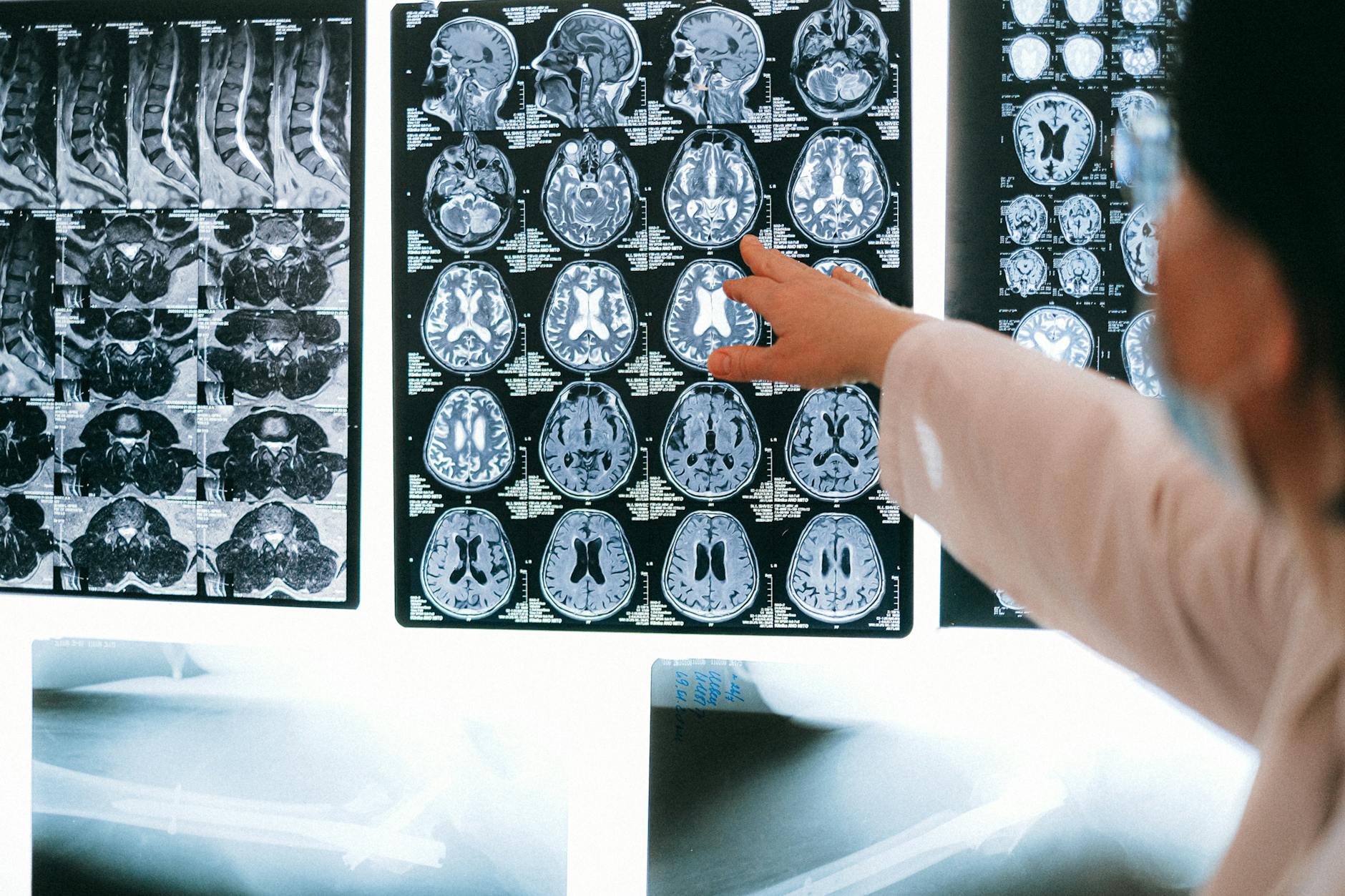
Algorithm Predicts Parkinsonism Pathology From Clinical Symptoms
A machine learning tool trained on brain bank data uses 23 clinical parameters to accurately predict post-mortem pathology in parkinsonism.
-

Brain Imaging Maps How Deep Brain Stimulation Alters Parkinson's Circuits
Extensive functional MRI data from 14 patients reveals that cortical connectivity patterns can predict clinical outcomes of stimulation.
-

Social Isolation Linked to Mood Episodes in Youth Bipolar Disorder
A scoping review of 522 patients identifies loneliness as a marker of poor psychosocial function and altered neural social processing.
-

Decision Tool Reduces Antidepressant Discontinuation in Depression
A web-based system personalizing antidepressant selection kept more patients on therapy at 8 weeks and improved symptoms at 24 weeks.
-
Glutamate Levels Link to EEG Hyperexcitability in Borderline Personality Disorder
Metabolic imaging reveals that glutamate ratios in the nucleus accumbens and cingulate cortex correlate with neural instability markers.
-

Seven Hours of Sleep Maximizes Depression Risk Reduction in Older Adults
A national cross-sectional study reveals a non-linear relationship where the mental health benefits of sleep attenuate after seven hours.
-

ADHD Linked to Attenuated Rightward Structural Asymmetry in Children
MRI data reveal that reduced right-hemisphere dominance in frontal and striatal regions correlates with impaired attention and timing.
-

LGBTQ+ EMS Clinicians Balance Professional Identity and Disclosure
A qualitative analysis reveals how LGBTQ+ prehospital clinicians navigate workplace disclosure while prioritizing their clinical skills.
-

Sleep Under 6.7 Hours Linked to Depression in Opioid Users
A U-shaped dose-response curve reveals that insufficient sleep increases depression risk by 60% among adults taking prescription opioids.
-

Digital Dyadic Interventions Improve Cognition and Reduce Caregiver Burden
A review of 38 studies finds digital tools like mobile apps and remote platforms enhance patient cognition and ease caregiver burden.
-

Real-World CBT Improves Distress but Not Pain in Functional Neurological Disorder
Routine clinical data from 234 adults shows cognitive behavioral therapy significantly reduces psychological distress but not physical pain.
-

Social Skills Training Modulates Local Connectivity in the Autistic Social Brain
A 14-week intervention reduces regional homogeneity in the medial frontal gyrus, correlating with improved social responsiveness scores.
-

Paranoia and Distress Aversion Predict Faster Borderline Personality Disorder Response
Female patients with borderline personality disorder exhibiting higher baseline paranoia show faster symptom decline during residential care.
-

Conscientiousness and Resilience Link to Special Forces Selection Success
A study of German Special Forces candidates links cognitive performance, conscientiousness, and resilience to objective selection success.
-

Impulsivity Traits Mediate Childhood Trauma and Subjective Health Burdens
Nearly one-third of adults with childhood trauma report subjective health impacts without a formal psychiatric diagnosis.
-

Executive Function Drivers of Autism Social Deficits Shift With Age
While executive function consistently impacts social skills in autism, the specific cognitive domains involved change as patients age.
-

Childhood Adversity and Trafficking Severity Predict Survivor Recovery
A survey of 350 U.S. survivors shows that early trauma and exploitation intensity drive long-term economic and psychological outcomes.
-

Post-Displacement Environments Drive Distinct Psychiatric Symptoms
A meta-synthesis of 984 refugees reveals camps amplify acute somatic distress, while urban resettlement drives chronic depression.
-

Home-Based Accelerated TMS Proves Feasible for Major Depression
A pilot study shows intensive home-based neuromodulation is safe and reduces depression, though current devices pose logistical hurdles.
-

Hybrid Dialectical Behavior Therapy Reduces Suicidal Ideation in Adolescents
A year-long trial shows combining online and offline DBT improves emotional regulation and depressive symptoms in self-injuring youth.
-

Prehospital Opioid Treatment Programs Show High Consistency in North Carolina
A cross-sectional analysis of 21 counties reveals standardized protocols for EMS-administered buprenorphine, offering a replicable model.
-

COVID-19 Does Not Alter Catatonia Presentation or Treatment Response
A four-year retrospective study finds no significant clinical differences between pre-pandemic and post-pandemic catatonia cases.
-

15-Item Tool Predicts Post-Intensive Care Syndrome at Three Months
A new 15-question assessment administered at intensive care unit discharge shows moderate accuracy in predicting long-term functional decline.