
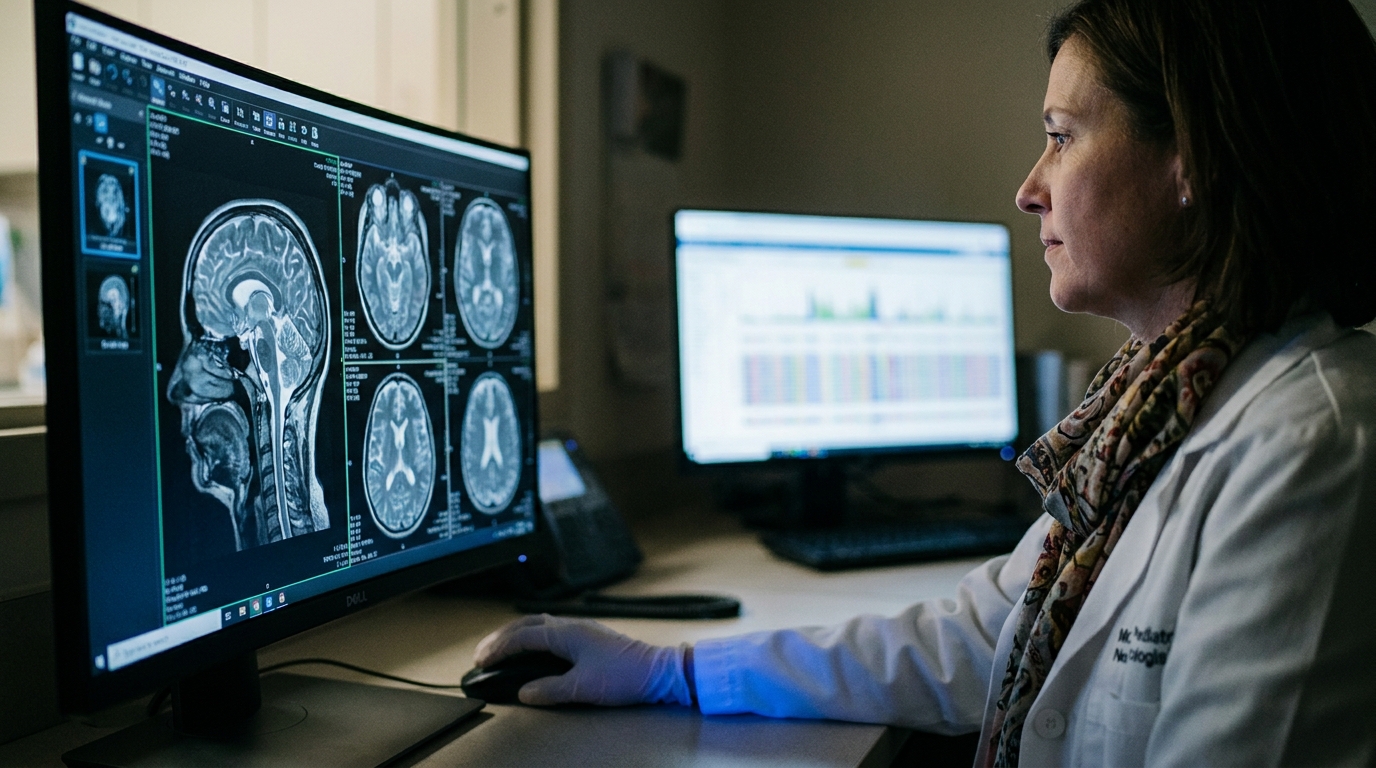
SSPOP Mutations Linked to Pediatric Epilepsy and Developmental Disorders
Researchers identify pathogenic variants in a supposed pseudogene, expanding the diagnostic landscape for unexplained neurodevelopmental delay.
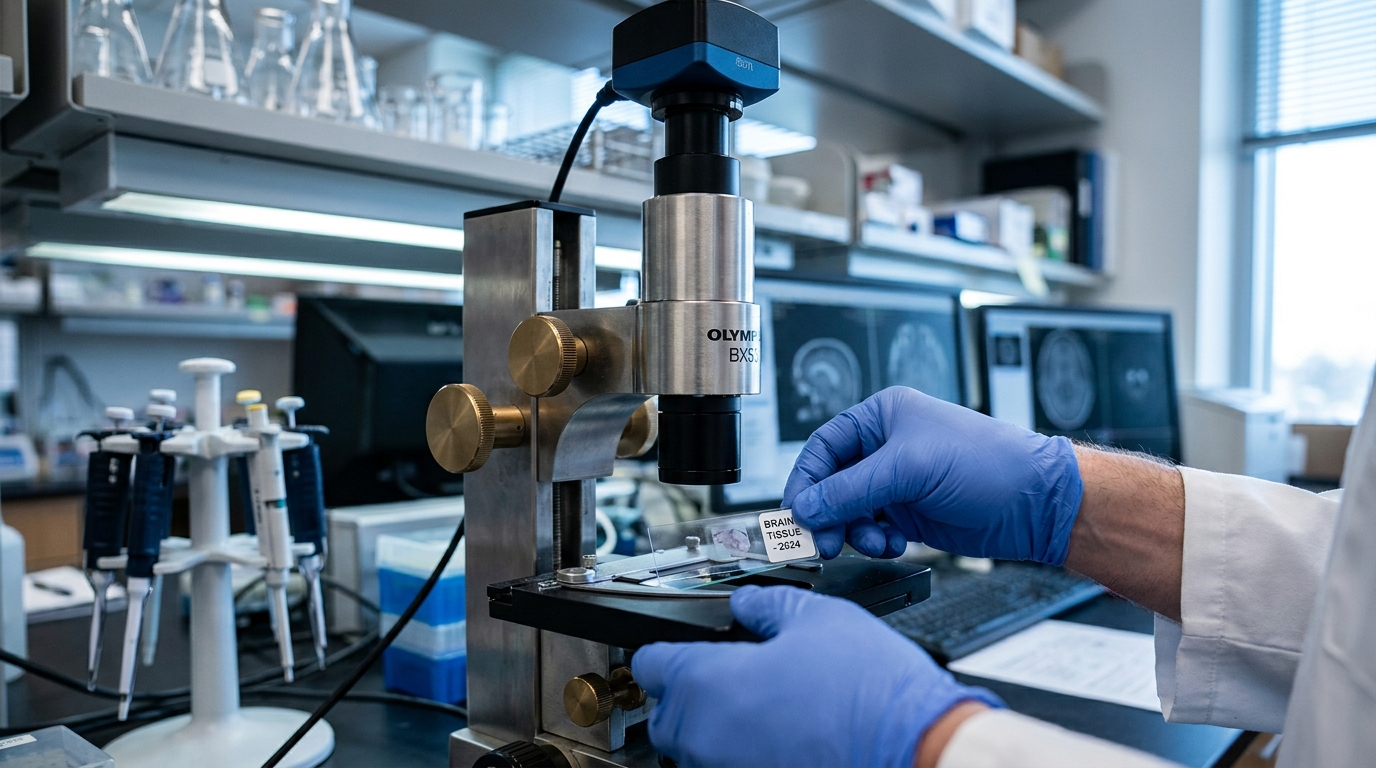
Skin Biopsy Distinguishes Body-First from Brain-First Parkinson’s Disease
Cutaneous alpha-synuclein signatures and seeding activity identify divergent pathological origins and autonomic denervation patterns.

Hippocampal Lesions Reduce Visual Working Memory Precision in Epilepsy Patients
Postoperative hippocampal damage selectively degrades memory quality rather than quantity, offering a marker for functional monitoring.
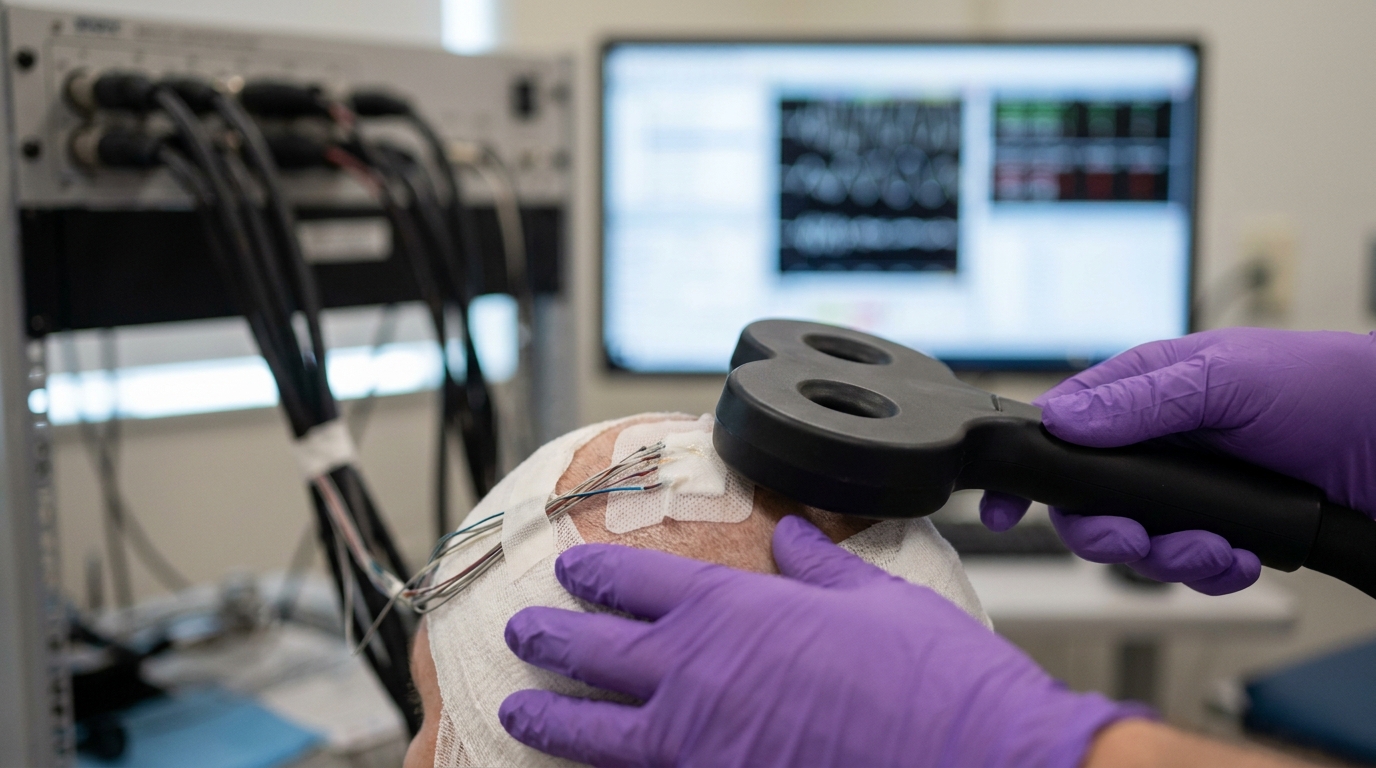
Intracranial Recordings Map Immediate and Distal Neural Responses to Magnetic Stimulation
A review of human and primate data shows single-pulse TMS excites neurons in 2 milliseconds and modulates networks for up to 40 minutes.

Memory Deficits Persist in Multiple Sclerosis Despite Preserved Processing Speed
Modern treatment eras show a shift where cognitive slowing is no longer the primary deficit in relapsing-remitting multiple sclerosis.

FGF14 Repeat Expansions Identified in Patients with Parkinson's Disease
Long-read sequencing reveals that a genetic variant linked to ataxia also occurs in patients meeting clinical criteria for Parkinson's.

Nuclear Membrane Disruption Precedes Cytoplasmic Tau in Anti-IgLON5 Disease
Autopsy and in vitro data show that antibody binding triggers nuclear invaginations and serine 422 phosphorylation before tau aggregates.

Subthalamic Signal Propagation Predicts Parkinsonian Motor State
Movement-related high-frequency oscillations propagate along the inferior-superior axis, correlating with levodopa response.

Long-Read Sequencing Resolves Atypical Facioscapulohumeral Dystrophy Loci
High-resolution sequencing identifies complex structural variants in the 1% to 2% of patients who lack standard genetic markers.

Selective HDAC6 Inhibition Restores Axonal Transport in Preclinical ALS Models
A brain-penetrant small molecule improves motor function and reduces TDP-43 pathology in animal and human cellular models of neurodegeneration.
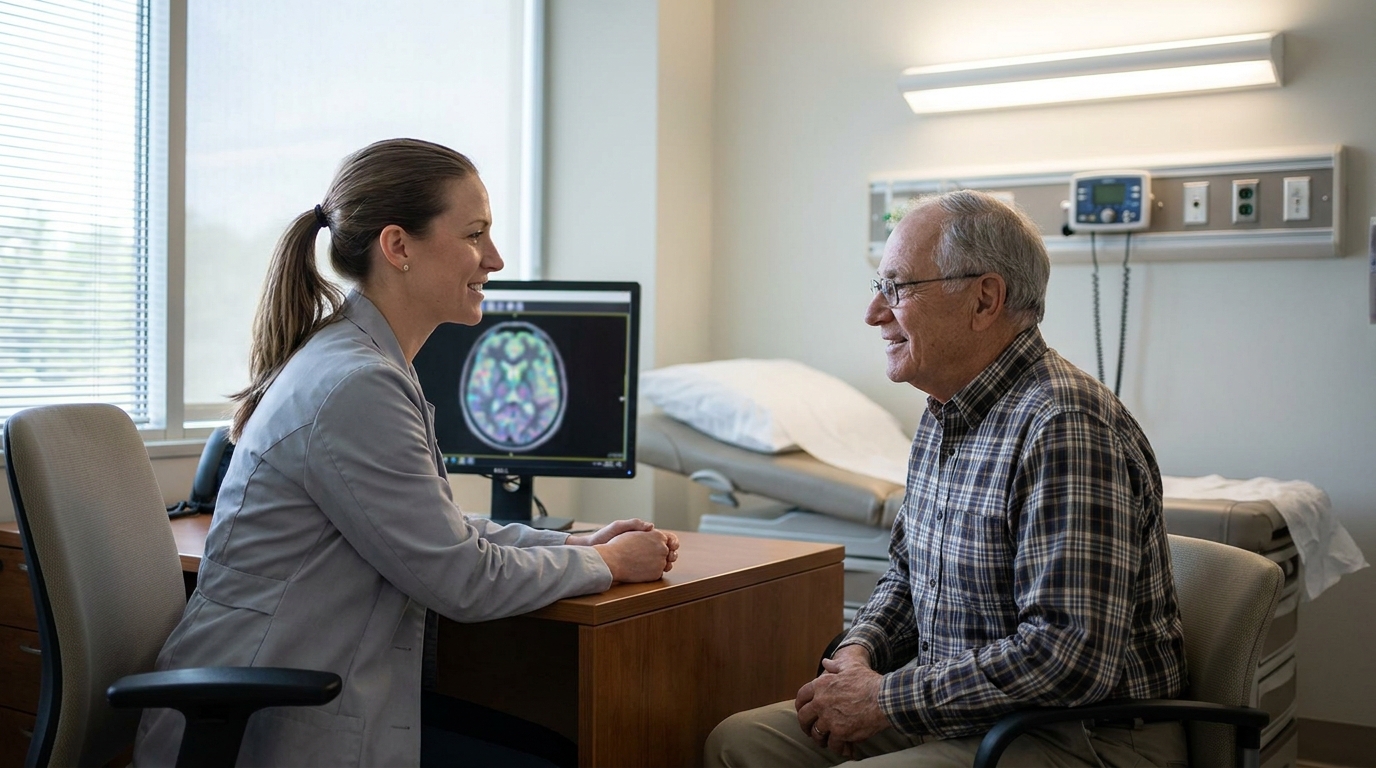
Amygdala Damage Does Not Impair Intrinsic Motivation to Empathize
Patients with focal amygdala lesions maintain a normal drive to engage in empathic encounters despite deficits in emotional recognition.
Chronic Stroke Survivors Retain Motivational Drive Despite Impaired Reward Learning
A study of 40 patients shows that while stroke slows belief updating, the ability to speed up movements for rewards remains intact.