

Infrequent Healthcare Contact and Previous Attempts Linked to Intoxication at Suicide
A Finnish registry study of 6,892 deaths identifies clinical profiles and diagnostic factors associated with acute alcohol use.
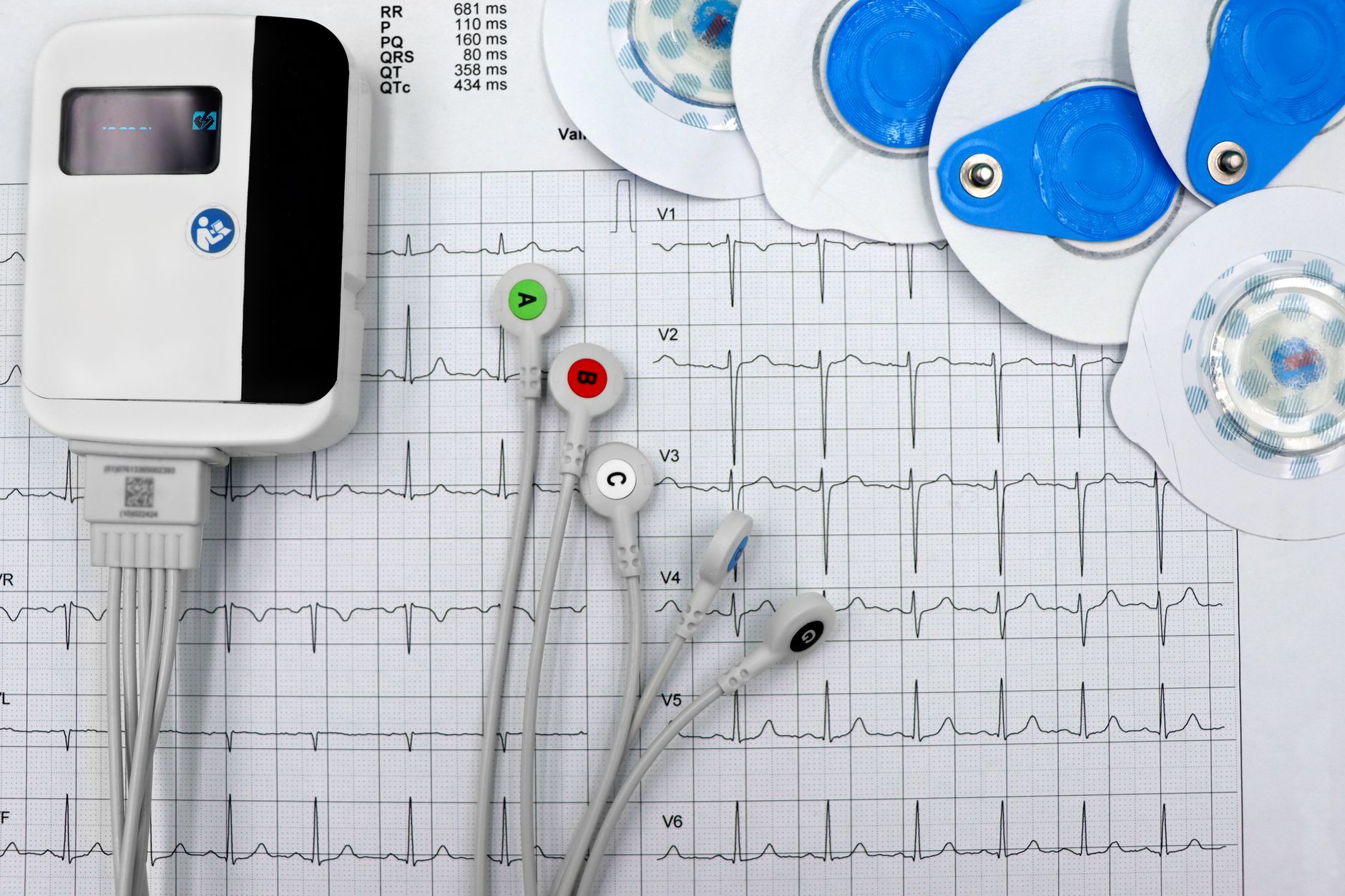
Daily Task Frequency Correlates With Objective Activity in Cardiac Patients
A study of 1,126 patients shows that housework and leisure activities drive higher step counts and moderate-to-vigorous exertion.
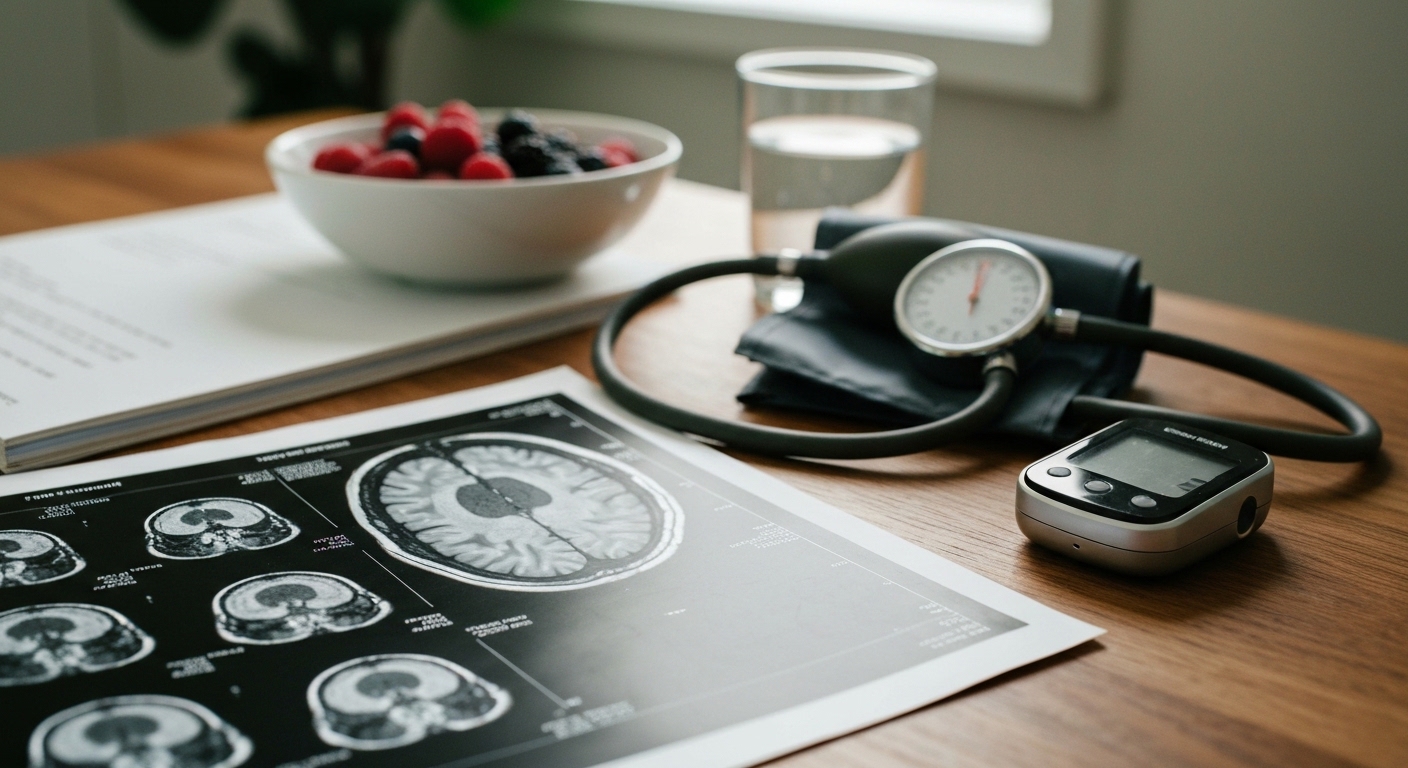
Lifestyle Intervention Benefits Cognition in Older Adults With Low Hippocampal Volume
A randomized trial shows intensive lifestyle coaching preserves cognition in high-risk patients despite unchanged brain biomarker trajectories.

Open-Source Models Accurately Identify Pediatric Pneumonia in Radiology Reports
Large language models achieve F1 scores up to 0.97, surpassing traditional machine learning in classifying free-text chest X-ray reports.

High-Dose Calcium Chloride Reduces 24-Hour Mortality in Trauma Patients
A 1:2 ratio of calcium chloride to whole blood units lowered the odds of early death by 84% in a retrospective cohort study.

Spinal Cord Area Loss Predicts Myelopathy in Severe Cervical Ossification
Percentage reduction in cord cross-sectional area shows higher diagnostic accuracy than traditional bony canal measurements.
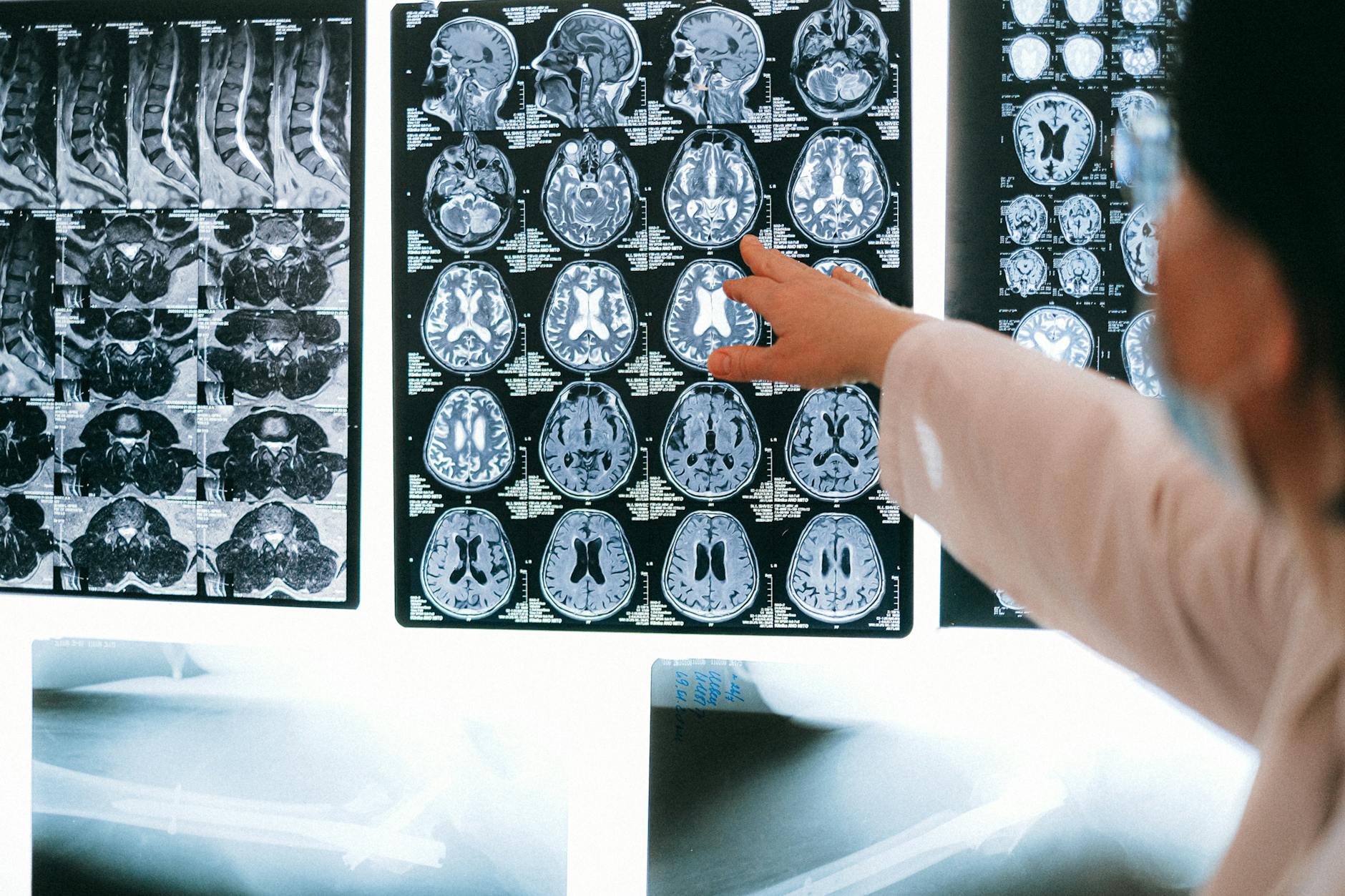
Beta-1 Blockers May Reduce Vascular Dementia Risk in Genetic Analysis
A Mendelian randomization study suggests beta-1 adrenergic antagonism protects white matter, while ACE inhibition may increase risk.

Preconception Care Reduces Maternal and Neonatal Morbidity
A review highlights evidence-based interventions, from folic acid to chronic disease management, that optimize health before conception.

Rapid Susceptibility Testing Speeds Antibiotic Adjustments but Not Outcomes
While rapid testing accelerated antibiotic adjustments by 14 hours, it did not improve 30-day survival or reduce deleterious events.

Low-Calorie Feeding Does Not Worsen Kidney Function in Shock
A post hoc analysis of 3,036 patients shows early restrictive diets are safe for the kidneys, even with preexisting dysfunction.

Planetary Health Diet Linked to Lower Risk of Stroke and Depression
A UK Biobank study of 69,370 adults finds high adherence to sustainable eating reduces brain disorder risk via slower biological aging.

Resilience Alters Symptom Networks Linking Bullying to Depression in Adolescents
Network analysis reveals that low resilience strengthens the ties between social exclusion and depressive symptoms like anhedonia.