

Optimal Sleep Duration Linked to Lower Dementia Risk in Focal Epilepsy
A UK Biobank study finds six to eight hours of sleep significantly mitigates cognitive decline and a five-fold dementia risk in epilepsy.
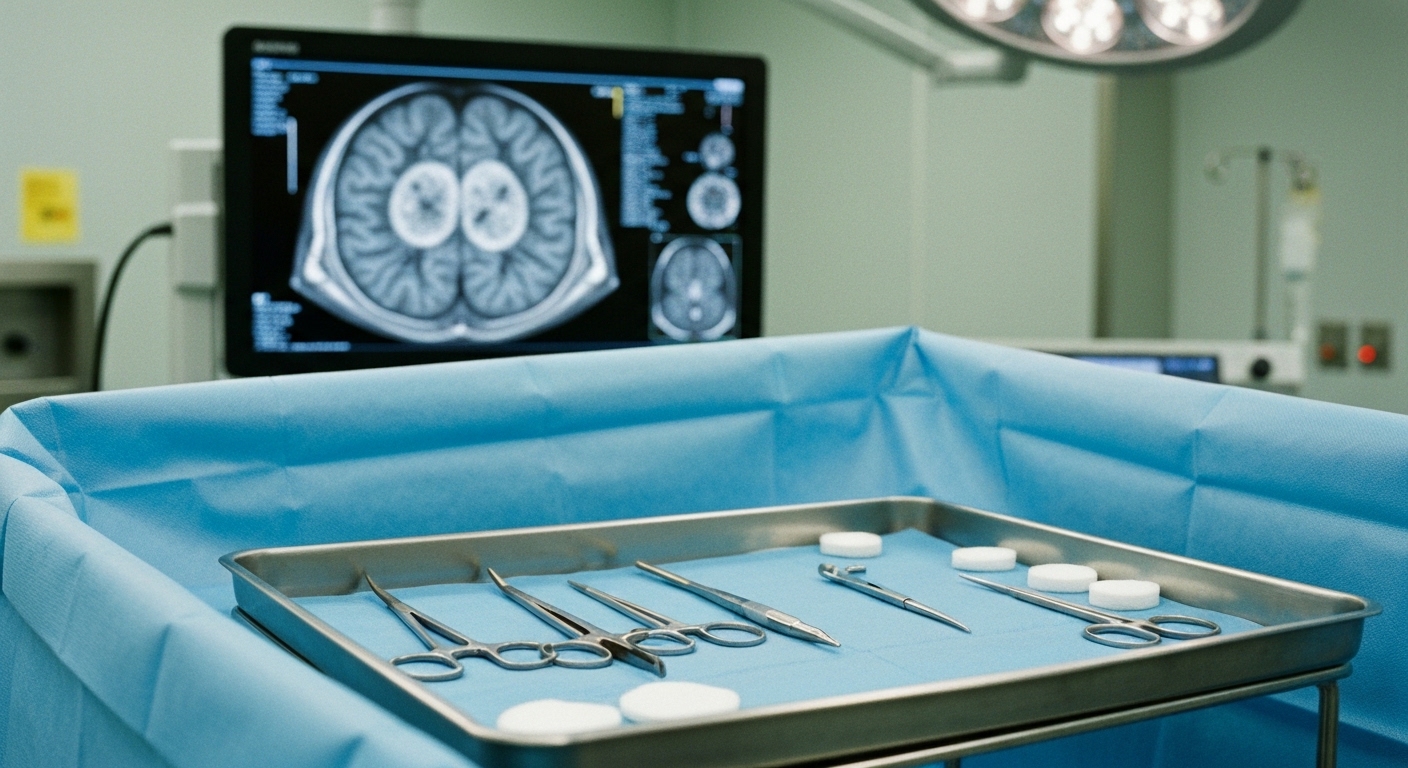
Anatomical Subtype and Nidus Embedding Predict AVM Surgical Outcomes
A 25-year study identifies visual and brainstem locations and embedded margins as key risks for deficits after AVM resection.

Essential Tremor Patients Retain Empathy Despite Cognitive Decline
A cross-sectional study finds no group-level deficits in empathy or emotional awareness in patients with essential tremor.
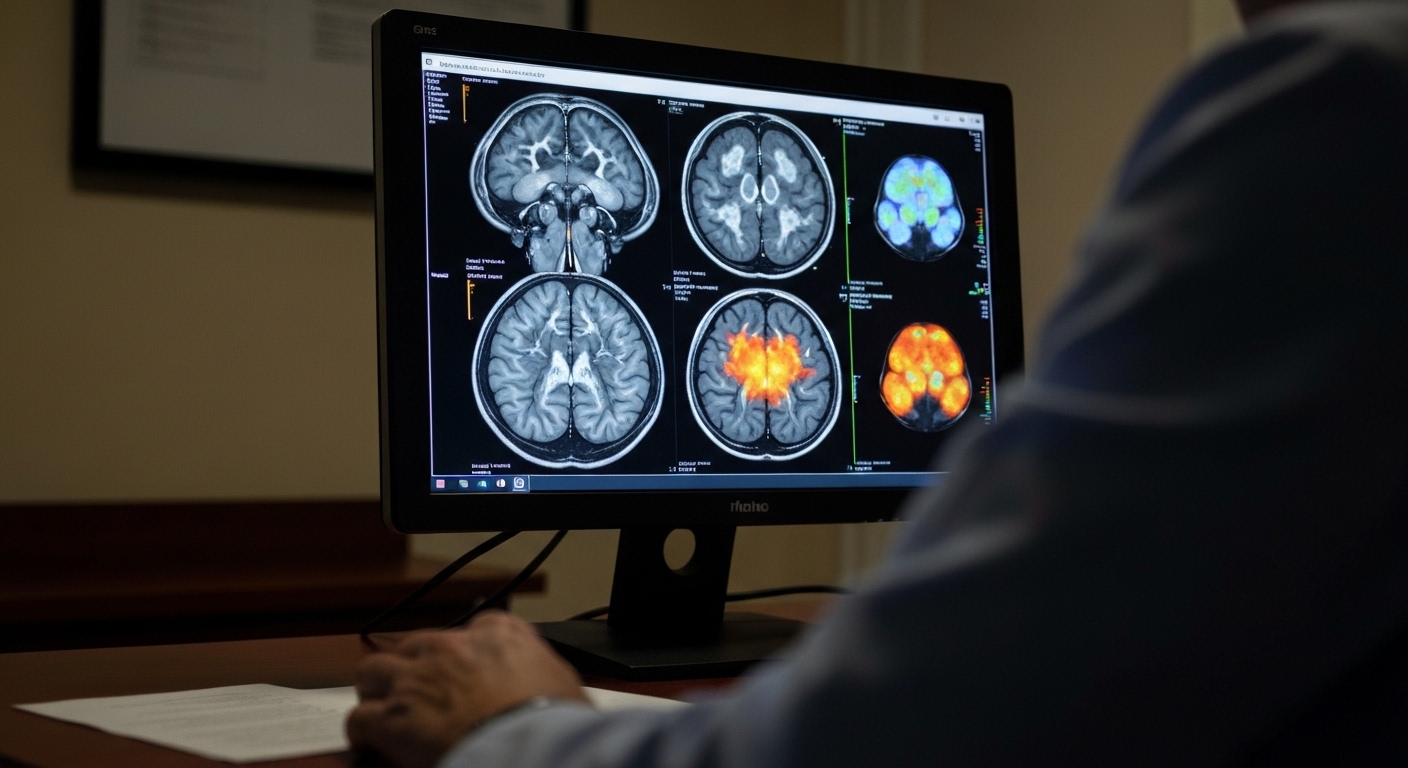
DMN Connectivity Predicts Amyloid Accumulation and Clinical Decline in Alzheimer’s
Longitudinal imaging shows functional network disruptions precede detectable amyloid plaques and signal future cognitive impairment.

Cell-Specific Genetic Mapping Links Neuronal and Immune Pathways to Neuropsychiatric Risk
Analysis of six major disorders identifies 345 risk genes, highlighting the role of microglia and astrocytes in disease pathogenesis.

Participation-Focused Training Improves Immediate Post-Stroke Executive Function in Randomized Trial
Strategy training shows short-term cognitive gains in stroke survivors, though benefits do not persist at three-month follow-up.
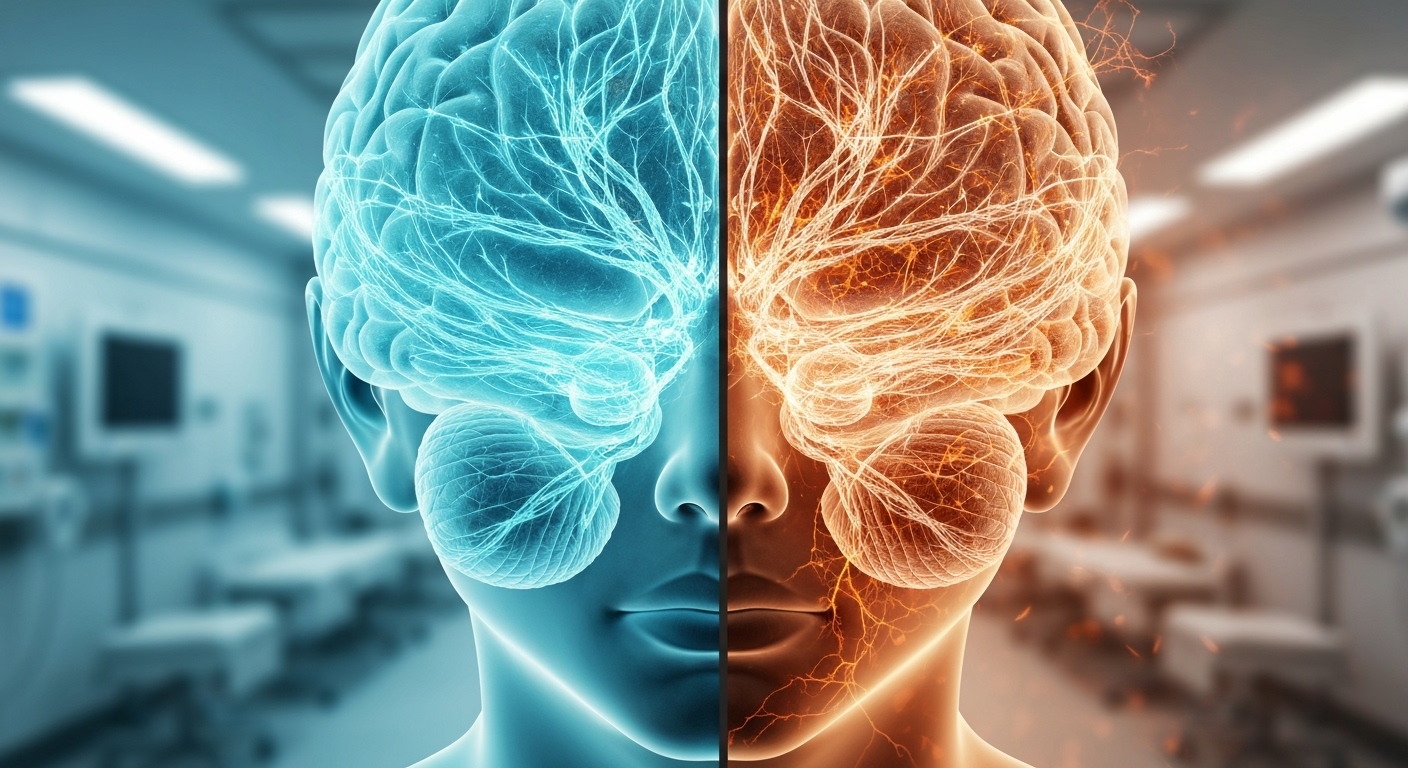
Temperature Management Linked to Lower Brain Disability After In-Hospital Arrest
A nationwide cohort study finds targeted cooling reduces the risk of specialist-certified permanent neurological impairment by 15 percent.
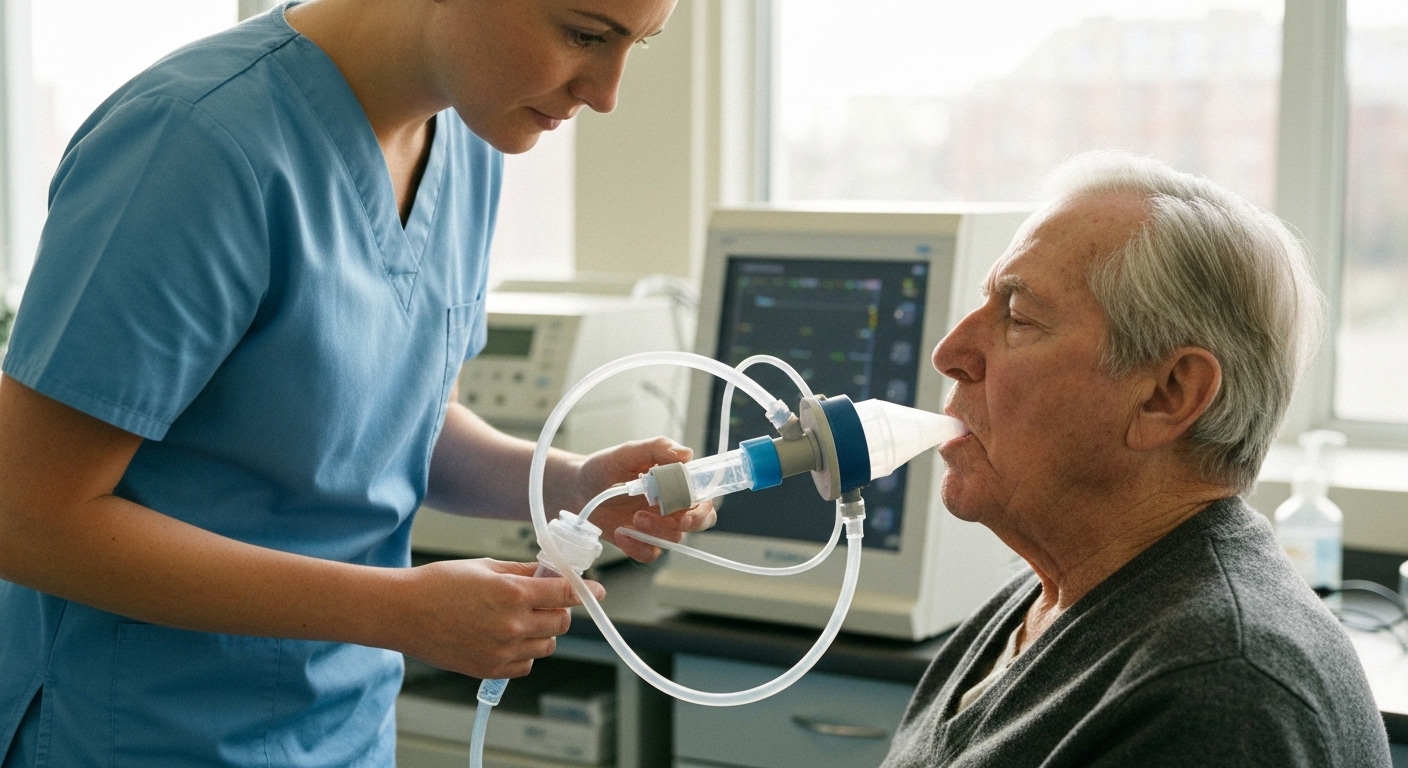
Breath Analysis Distinguishes Alzheimer’s Disease From Other Dementias
A diagnostic model using exhaled volatile organic compounds identifies Alzheimer’s disease with 93% accuracy in a 241-patient cohort.

Inconsistent ALS Trial Analysis Increases Risk of False Positive Results
A review of 45 clinical trials shows that statistical method choice can swing treatment effect estimates by over three standard deviations.

Short-Interval Botulinum Toxin Injections Induce Sustained Glabellar Muscle Suppression
A three-year electromyographic study shows that frequent onabotulinumtoxinA dosing maintains muscle paralysis 48 weeks after treatment ends.
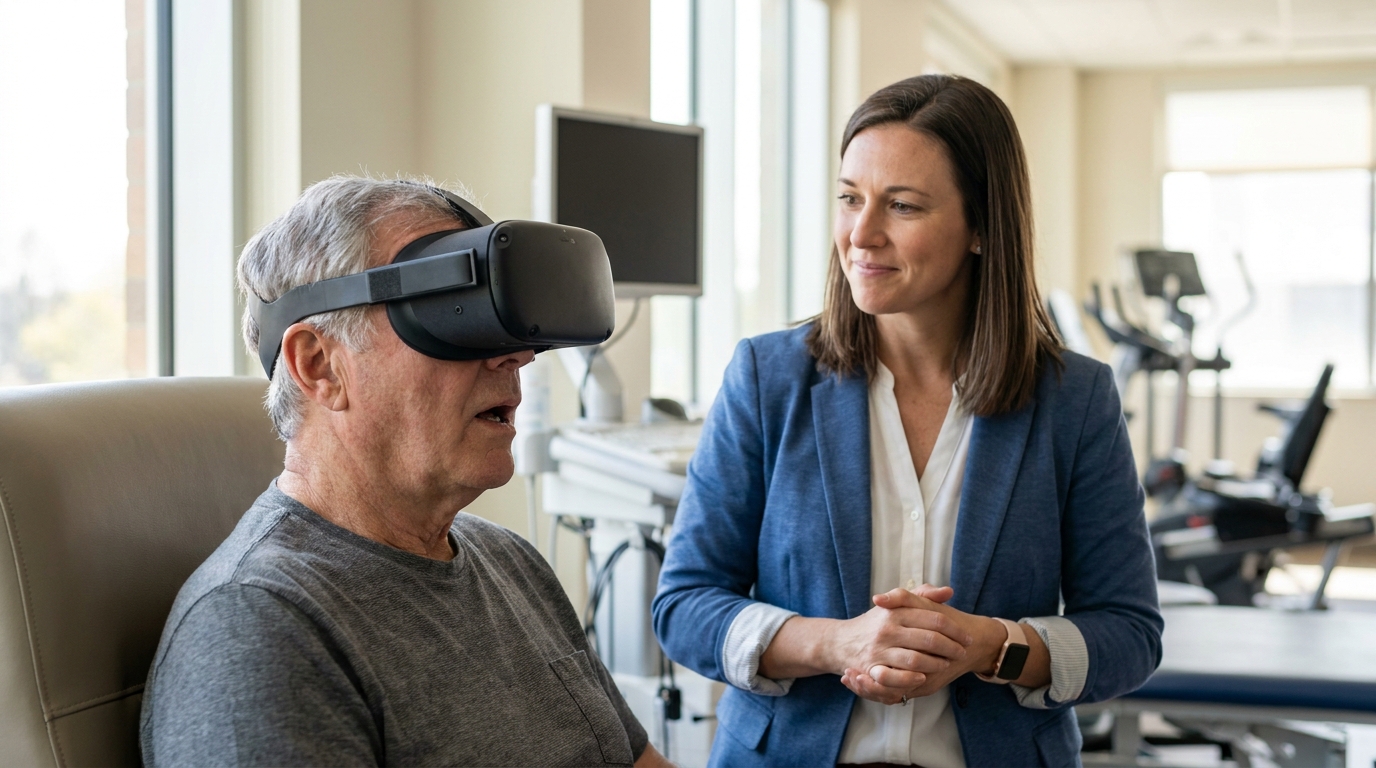
Immersive Virtual Reality Improves Naming in Chronic Non-Fluent Aphasia
A randomized trial shows immersive therapy yields higher gains in oral motor function and patient enjoyment than conventional methods.

Age, Rhythm, and Low-Flow Duration Predict Neurological Recovery After ECPR
A 14-year cohort study identifies specific predictors to help clinicians select cardiac arrest patients for extracorporeal resuscitation.