
Activity Modality and Social Context Alter Pediatric Brain Structure
A longitudinal study of 8,230 children links physical-social engagement to increased frontoparietal volume and lower psychiatric risk.

Prenatal Sterol-Inhibiting Drugs Linked to Increased Autism Risk
A study of 6 million births found that common medications disrupting cholesterol synthesis increase autism risk in a dose-dependent manner.

Experts Define 50 Hospital-Based Criteria for Pediatric Critical Illness
A consensus-based framework provides standardized metrics to identify high-risk children and benchmark emergency medical services performance.

Pediatric HIV Linked to Reduced Auditory Cortex Activation Despite Normal Hearing
Functional MRI reveals central auditory processing deficits in children with HIV that may bypass standard clinical audiometry.

Maternal Third-Trimester Vaccination Lowers Infant COVID-19 Hospitalization Risk
Prepregnancy vaccination fails to protect infants, while third-trimester mRNA doses reduce hospitalization risk by over 60 percent.

Fontan Registry Reveals High Comorbidity and Anxiety Rates in Adults
A multi-institutional study of 1,121 patients shows that nearly half of adults with Fontan circulation require treatment for anxiety.
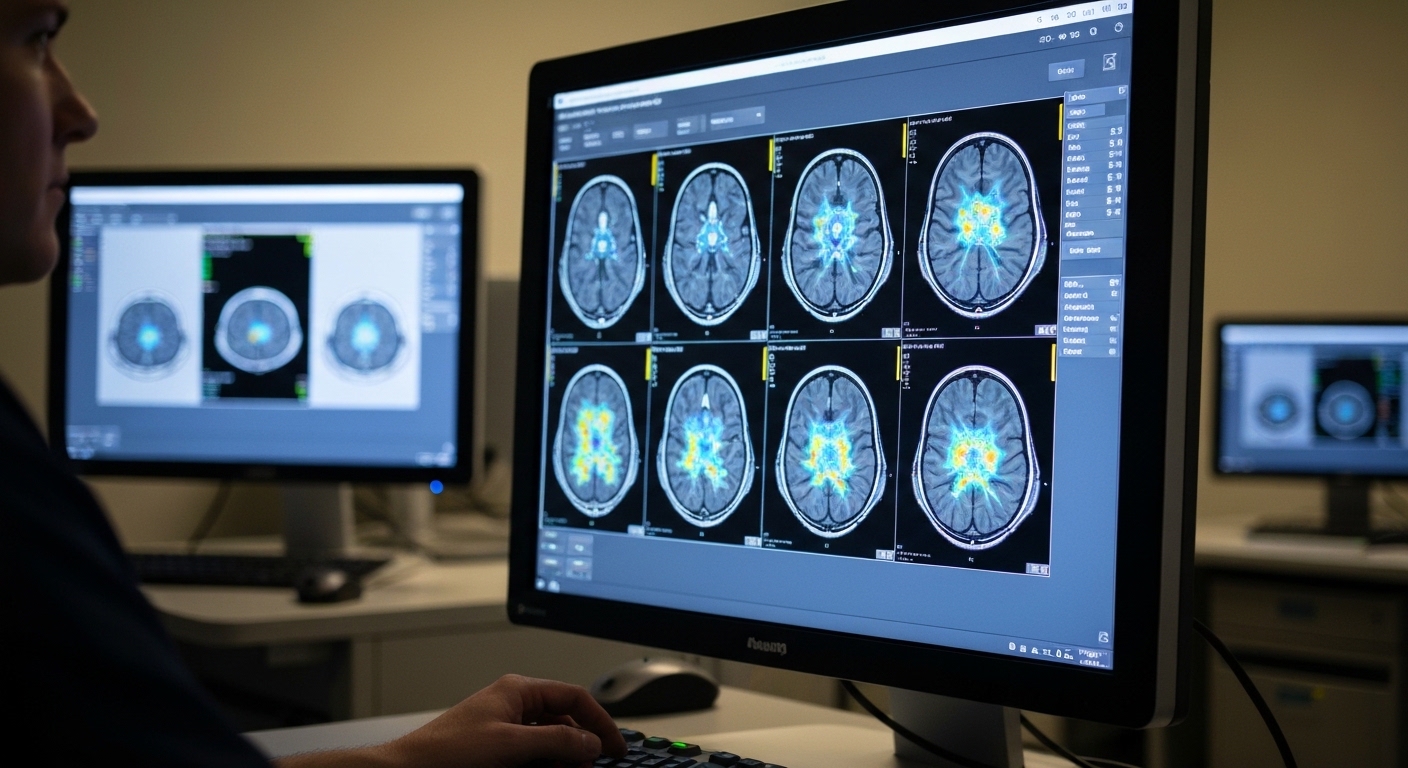
Sustained Attention Tasks During MRI Improve Prediction of Autistic Traits
Functional imaging during cognitive challenges identifies neural markers of social responsiveness more accurately than resting-state scans.

Online Training Increases Fascia Iliaca Block Use for Pediatric Femur Fractures
A web-based module combined with brief hands-on training doubled the rate of ultrasound-guided regional anesthesia in the emergency department.

TXA Linked to Lower Reoperation Odds in Posttonsillectomy Hemorrhage
A multicenter study of 19,572 pediatric encounters shows tranexamic acid use increased to 30% by 2024 and reduced reoperation risk by 34%.

Severe Childhood Malaria Impairs Cognition Up to 15 Years Later
Ugandan children who survive cerebral malaria or severe malarial anemia show persistent cognitive and math deficits up to 15 years later.

Antipsychotics Rarely Cause Persistent QTc Prolongation in Children and Adolescents
A cohort study of 430 pediatric patients found no severe arrhythmias or QTc intervals over 500 ms during antipsychotic treatment.

Ceruloplasmin Deficiency Linked to Fusiform Gyrus Pathology in Autism Subtype
Low ceruloplasmin levels drive lipid and myelin imbalances in children with autism and atypical visual processing.