
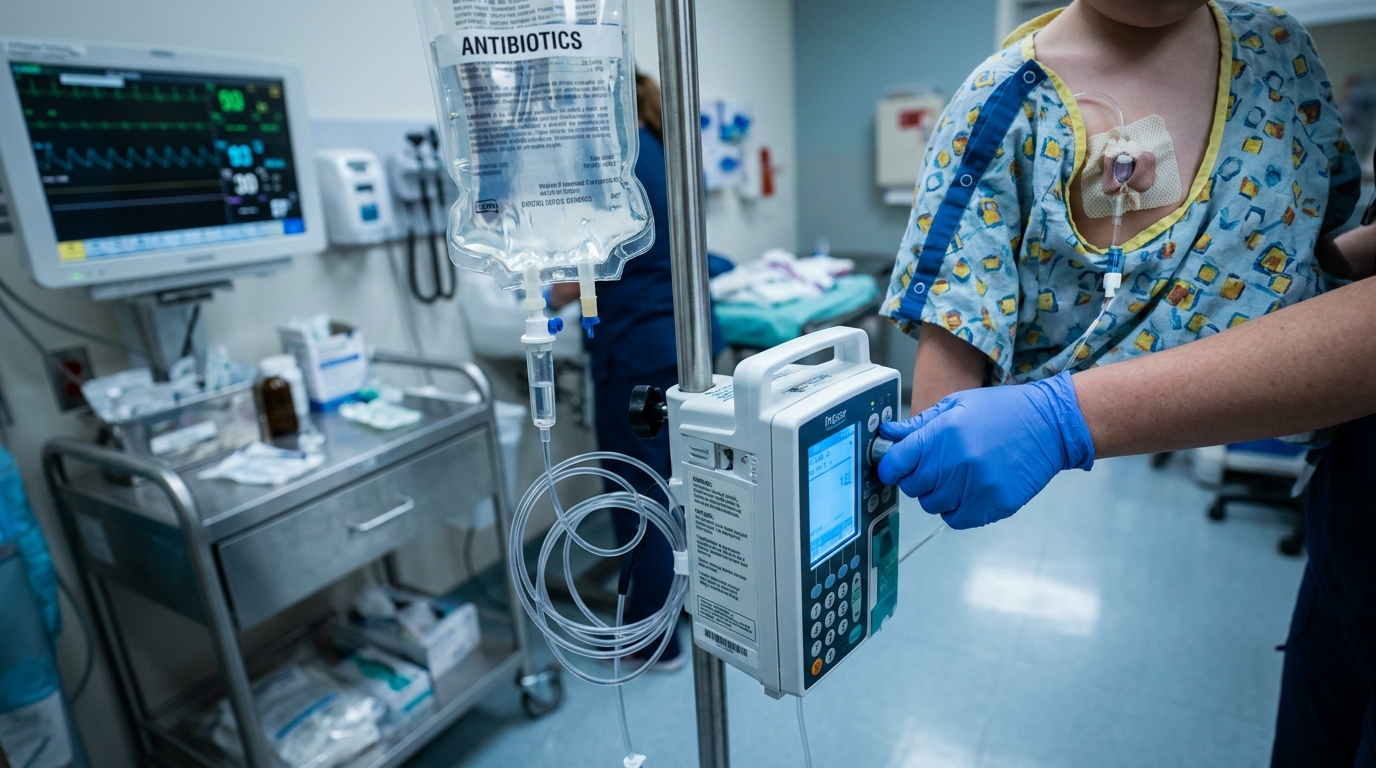
Quality Improvement Shortens Time to Antibiotics in Pediatric Intestinal Failure
Multidisciplinary interventions reduced median cephalosporin delivery time by 58% for children with suspected central line infections.

IVC to Aorta Ratio Tracks Fluid Response but Lacks Clinical Correlation
Ultrasound metrics of the inferior vena cava change after fluid boluses in pediatric shock but do not align with heart rate or shock index.

Antipsychotics and Antiemetics Drive Pediatric Drug-Induced Dystonia
A study of 79 children finds most reactions occur within 72 hours of exposure and respond rapidly to parenteral biperiden.
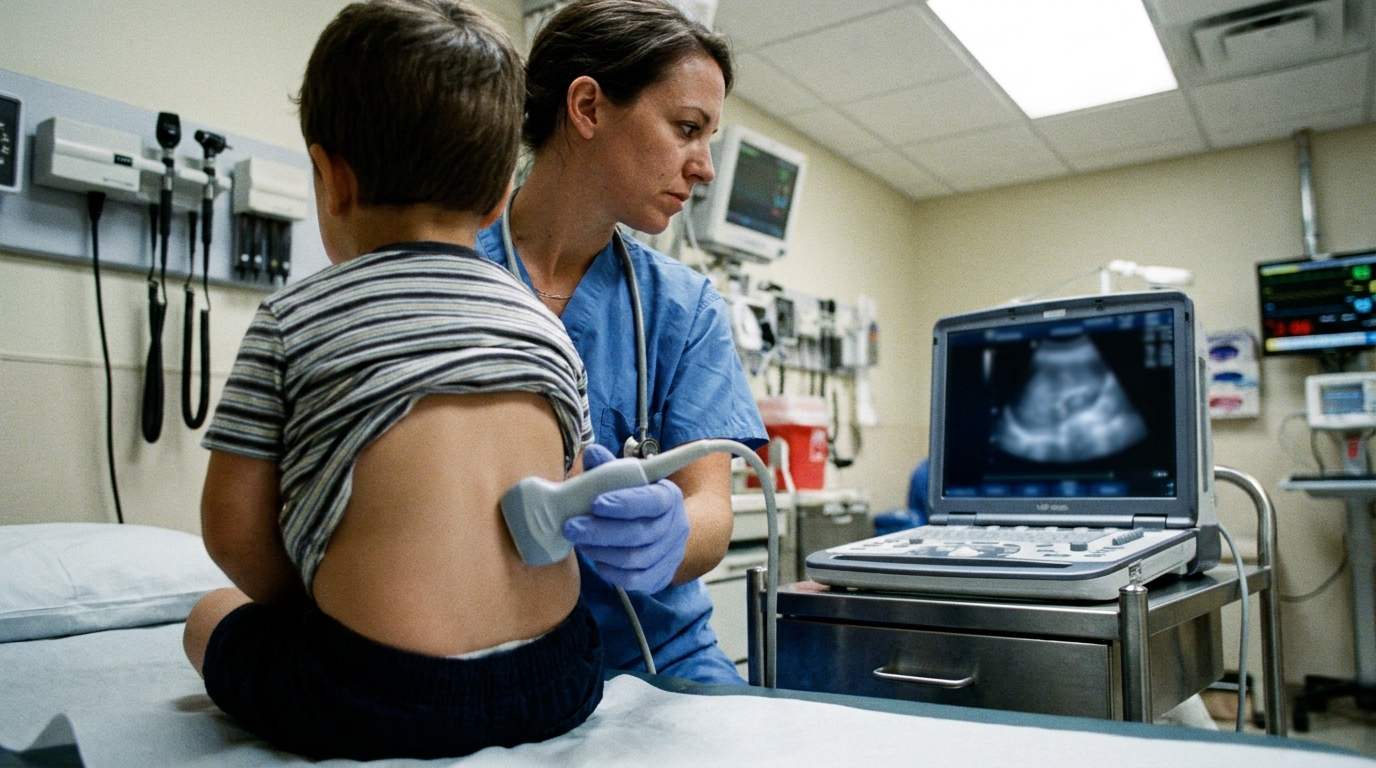
Lung Ultrasound Reaches 94% Sensitivity for Pediatric Pneumonia Diagnosis
Meta-analyses indicate point-of-care ultrasound offers up to 96% specificity while eliminating radiation exposure in children.

Patient-Provided Video Footage Influences Pediatric Trauma Management Decisions
Reviewing video of injury mechanisms altered imaging and specialist consultation plans in over half of pediatric emergency cases.

Absence of Chest Pain Predicts Severe Pediatric Myocarditis Risk
A retrospective study identifies hemodynamic instability and elevated procalcitonin as key markers for ICU admission in children.
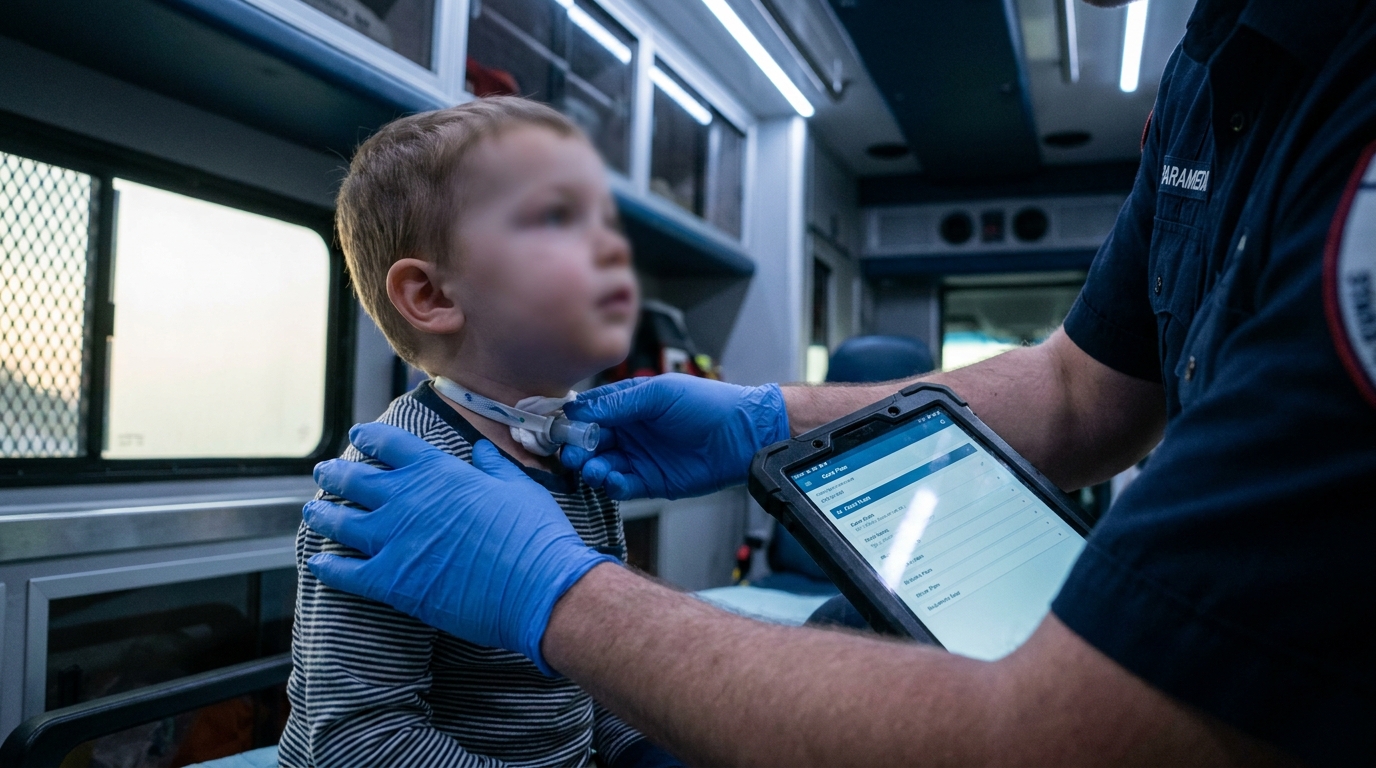
Physician-Led Program Improves Prehospital Care for Medically Complex Children
The STARS initiative uses individualized electronic care plans and targeted EMS training to reduce unnecessary hospital transports.

Serum Eosinophilic Cationic Protein Fails to Predict Bronchiolitis Severity Independently
Tobacco smoke exposure remains a stronger predictor of severe bronchiolitis than serum eosinophilic cationic protein levels in infants.

Standardized Protocol Alters Medication Use in Pediatric Cannabis Hyperemesis Syndrome
Implementation of a clinical pathway increased capsaicin and metoclopramide use while reducing haloperidol dosages in adolescents.
Clinical Pathway Reduces Pediatric CT Use to 22 Percent
A multidisciplinary protocol met national quality benchmarks while cutting emergency department wait times by over 100 minutes.

Open-Source AI Models Accurately Classify Pediatric Pneumonia on Radiographs
Large language models match physician adjudication of free-text reports, surpassing traditional machine learning in the emergency department.

Experts Define 50 Hospital-Based Criteria for Pediatric Critical Illness
A consensus-based framework provides standardized metrics to identify high-risk children and benchmark emergency medical services performance.