
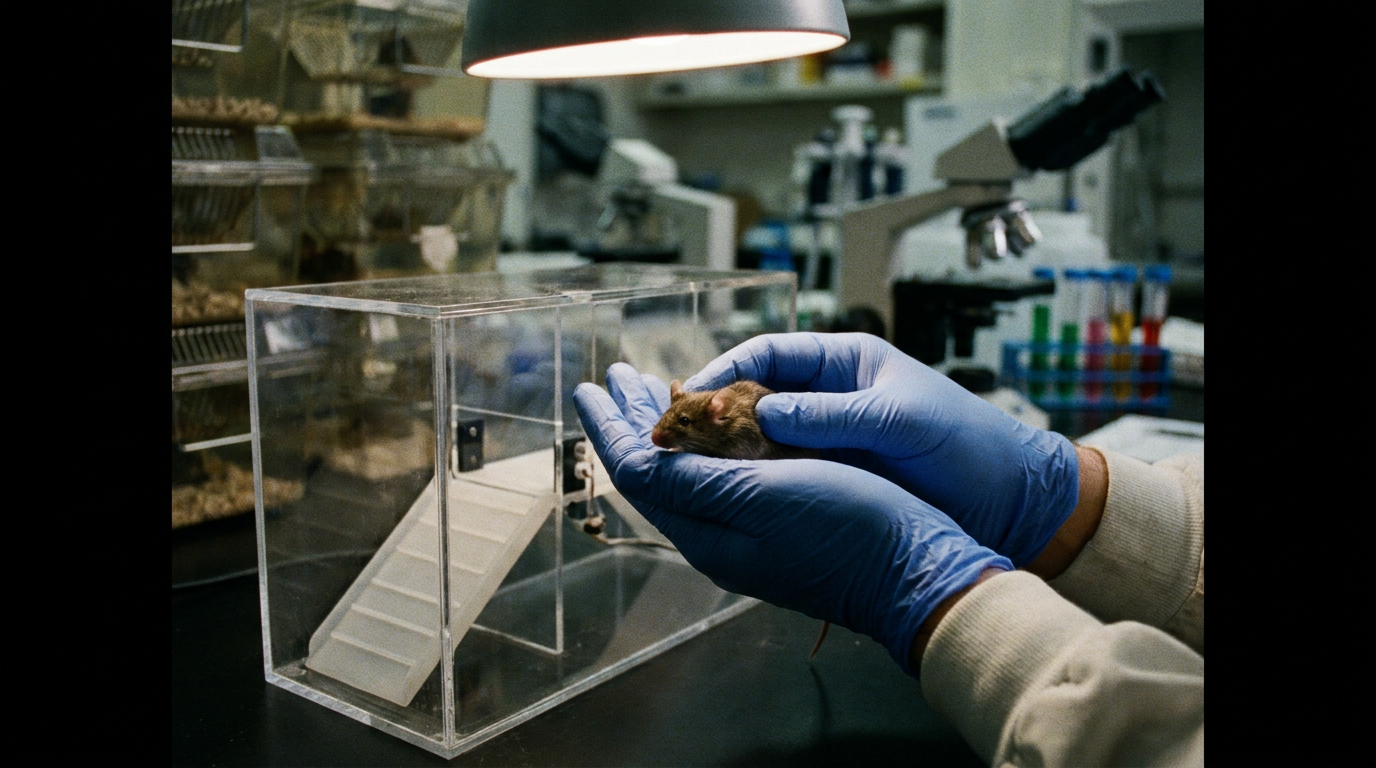
ERV Reactivation Drives C4b-Mediated Synaptic Pruning in Autism Models
In mouse models, endogenous retrovirus reactivation leads to C4b upregulation and excessive microglial pruning, contributing to autistic-like…

Homozygous LGI1 Variant Linked to Severe Developmental and Epileptic Encephalopathy
A case report details a homozygous LGI1 gene variant causing drug-resistant epilepsy and profound developmental delay, contrasting with typical.

Orca-T Immunotherapy Enriches Regulatory-Like T-Cells Early Post-Transplant
A specific T-cell subset, CD4+CD25-FOXP3+Helios+ T conventional cells, is enriched early after Orca-T and correlates with later immune activation.

IL-1β Signaling Drives Aggressive TCF3::HLF B-ALL and Bone Lesions
A new study identifies interleukin-1β as a key driver in a highly aggressive B-cell acute lymphoblastic leukemia subtype.

Neurobehavioral Profile of Young Steroid-Naive Boys With Duchenne Muscular Dystrophy
A multinational study characterizes baseline social, emotional, and learning challenges in young boys with Duchenne muscular dystrophy.

Early Bradycardia Predicts Need for Positive Pressure Ventilation in Newborns
An observational study quantifies heart rate response to tactile stimulation and identifies early bradycardia as a marker for advanced resuscitation.

PLANA Improves Presurgical Nasal Alignment in Unilateral Cleft Lip
A comparative study found Presurgical Lip-Alveolus-Nose Approximation (PLANA) led to better subnasale alignment than Nasal Elevator-based protocols.

Plain X-rays and Physical Exam Reliably Screen Pediatric Thoracolumbar Injuries
A multicenter study suggests dedicated spinal X-rays and physical exam can reduce unnecessary CT scans in children with potential spinal trauma.
Maternal Microbial Exposure Confers Intergenerational Stress Resilience in Male Mouse Offspring
Maternal administration of a heat-killed bacterium protected male offspring from chronic stress effects, potentially via microbiome changes.

TP53 and 5q Deletion Drive AML-CK Aneuploidy, Create BCL2 Vulnerability
A new study identifies the genetic drivers of complex karyotype acute myeloid leukemia and a targetable BCL2-dependent vulnerability.

Unhealthy Diet Linked to T17-High Asthma in Puerto Rican Youth
A study in Puerto Rican children and adolescents found an unhealthy dietary pattern increases the odds of T17-high asthma.

Low-Level FLT3-ITD Microclones Increase Relapse Risk in AML
A post-hoc analysis reveals that FLT3-ITD microclones carry a similar relapse risk to macroclones in young adults with acute myeloid leukemia.