
Trial Watch · Emergency & Critical Care
Clinical trials in Emergency & Critical Care, ranked by methodological rigor and ordered by most recent.
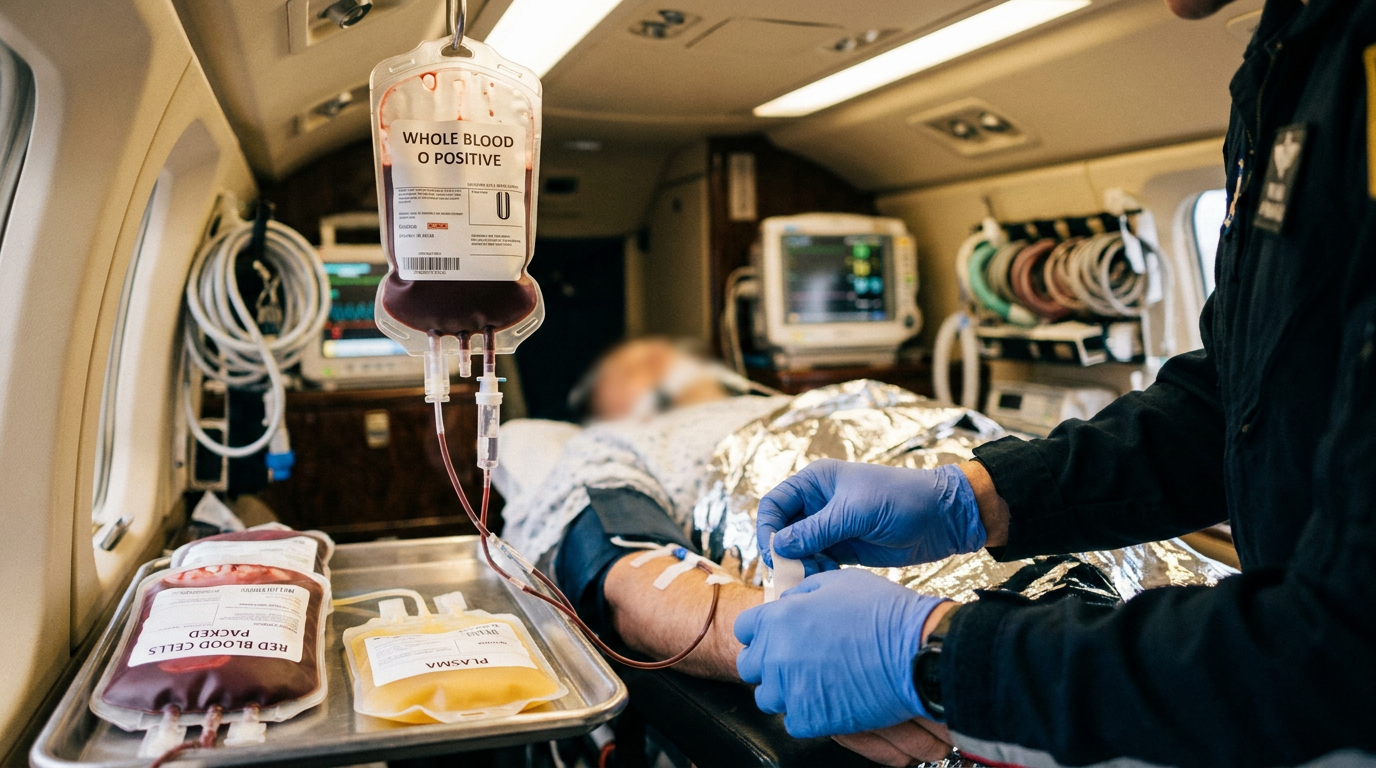
Prehospital Whole Blood Does Not Reduce 30-Day Mortality Over Components
A large-scale trial found no significant difference in 30-day mortality between prehospital whole blood and component transfusions for trauma.
 Randomized Controlled Trial
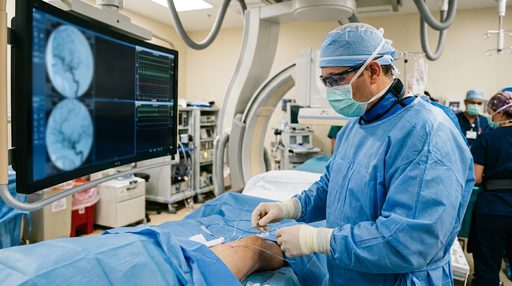
Intravascular Imaging Reduces Major Cardiac Events in Complex PCI
A randomized trial shows imaging guidance lowers the five-year risk of cardiac death and myocardial infarction in complex coronary lesions.
 Randomized Controlled Trial
Middle Meningeal Artery Embolization Reduces Subdural Hematoma Recurrence
Adjunctive embolization after surgery lowered symptomatic recurrence from 28% to 4.3% in a randomized trial of 186 patients.
 Randomized Controlled Trial
IVUS Guidance Reduces Target Vessel Failure in Complex Bifurcation PCI
A randomized trial shows IVUS-guided optimization more than halves the 1-year risk of failure in complex double kissing crush procedures.
 Randomized Controlled Trial
2C-B Shows Empathogenic and Psychedelic Effects with Low Cardiovascular Strain
A crossover trial compares 30 mg of 2C-B to MDMA and psilocybin, finding similar emotional empathy and a shorter five-hour duration.
 Non-Randomized Controlled Trial
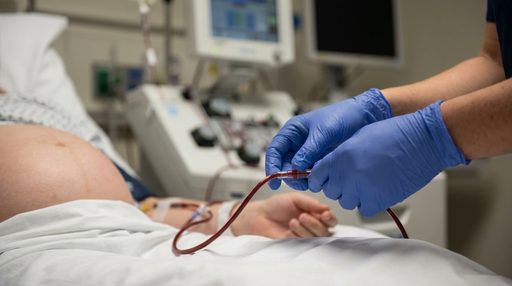
Targeted sFlt-1 Apheresis Safely Extends Pregnancy in Very Preterm Preeclampsia
A pilot trial shows selective removal of sFlt-1 reduces maternal blood pressure and delays delivery by a median of 10 days.
 Randomized Controlled Trial
Oral Factor D Inhibitor Fails to Improve Myasthenia Gravis Symptoms
A phase 2 trial of vemircopan was terminated after the oral complement inhibitor showed no significant benefit over placebo.
 Randomized Controlled Trial
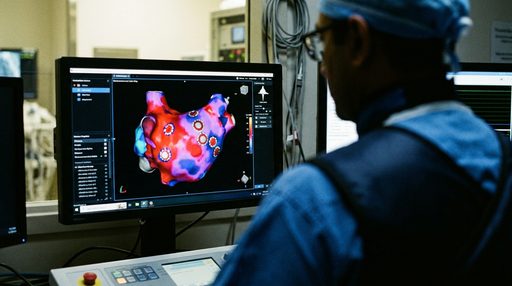
Pulsed Field Ablation Reduces Recurrence in Persistent Atrial Fibrillation
First-line pulsed field ablation showed a 56% success rate at 12 months compared to 30% for antiarrhythmic drugs in a randomized trial.
 Randomized Controlled Trial
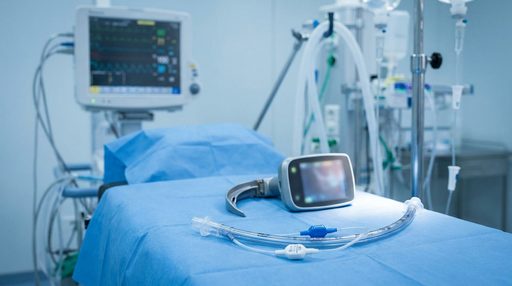
Videolaryngoscopy Increases First-Attempt Success for Double-Lumen Tube Intubation
A multicenter trial of 916 patients shows digital visualization improves glottic view and reduces esophageal intubation rates.
 Randomized Controlled Trial
Symptom-Based Dosing Reduces Discharge Time in Neonatal Opioid Withdrawal
A cluster randomized trial shows symptom-based dosing shortens medical readiness for discharge when paired with the Eat, Sleep, Console model.
 Randomized Controlled Trial
Balanced Fluids and Saline Show Similar Outcomes in Pediatric Septic Shock
A large trial of over 8,000 children found no difference in kidney events or mortality between balanced crystalloids and 0.9% saline.
 Randomized Controlled Trial
Triple-Pill Therapy Reduces Recurrent Stroke Risk After Intracerebral Hemorrhage
A low-dose combination of telmisartan, amlodipine, and indapamide lowered systolic blood pressure and major cardiovascular events.
 Randomized Controlled Trial
Remote Ischaemic Preconditioning Fails to Prevent Postoperative Myocardial Injury
A randomized trial of two-session preconditioning in abdominal surgery shows no reduction in injury and a paradoxical troponin increase.
 Non-Randomized Controlled Trial
Vuzix Head-Mounted Device Scores Highest in Prehospital Stroke Triage Simulation
A comparative study finds neurologists prefer head-mounted video quality while paramedics favor smartphone usability for remote triage.
 Randomized Controlled Trial
Ketamine Does Not Reduce 28-Day Mortality Compared With Etomidate
A randomized trial of 2,365 critically ill adults found no survival benefit for ketamine, despite a higher rate of cardiovascular collapse.
 Randomized Controlled Trial
Serious Games Reduce Geriatric Trauma Undertriage in Nontrauma Centers
A randomized trial of 800 emergency physicians shows digital simulation training improves adherence to triage guidelines for older adults.
 Non-Randomized Controlled Trial
Early EEG Findings Guide Shorter Sedation After Cardiac Arrest
Patients with favorable EEG patterns within 12 hours of arrest saw mechanical ventilation and ICU stays reduced by over 50 percent.
 Randomized Controlled Trial
Low-Calorie Feeding Does Not Worsen Kidney Function in Shock
A post hoc analysis of 3,036 patients shows early restrictive diets are safe for the kidneys, even with preexisting dysfunction.
 Randomized Controlled Trial
Rapid Susceptibility Testing Speeds Antibiotic Adjustments but Not Outcomes
While rapid testing accelerated antibiotic adjustments by 14 hours, it did not improve 30-day survival or reduce deleterious events.
 Randomized Controlled Trial
12-Week Diet and Exercise Program Improves Post-ICU Physical Function
A 12-week regimen of exercise and protein supplementation significantly improves physical functioning in long-stay ICU survivors.
 Randomized Controlled Trial
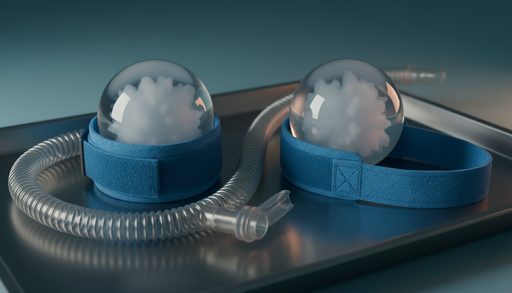
Limiting ICU Wrist Restraints Fails to Increase Delirium-Free Days
A restrictive wrist-strap protocol in mechanically ventilated adults did not improve delirium-free days or increase self-extubation risk.
 Randomized Controlled Trial
High-Flow Oxygen Lowers Intubation but Does Not Improve Survival
High-flow nasal cannula therapy reduces intubation rates in acute hypoxemic respiratory failure without altering 28-day mortality.
 Randomized Controlled Trial
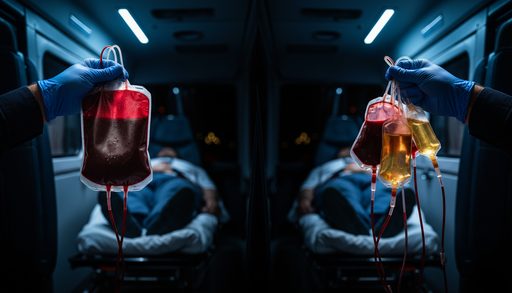
Prehospital Whole Blood Shows No Survival Benefit Over Component Therapy
A randomized trial of 616 trauma patients found prehospital whole blood did not reduce 24-hour mortality or massive transfusion needs.
 Randomized Controlled Trial
Women Face Worse Functional Recovery After Intensive Care EEG
Despite similar acute management and mortality, critically ill women are half as likely as men to achieve favorable long-term recovery.
 Randomized Controlled Trial
Apixaban Reduces Bleeding Risk Versus Rivaroxaban in Venous Thromboembolism
In a randomized trial of 2,760 patients, apixaban resulted in a 3.3% bleeding rate compared to 7.1% for rivaroxaban over three months.
 Randomized Controlled Trial
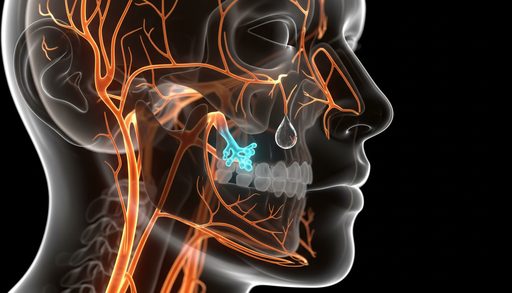
Trial: Higher Bupivacaine Doses Do Not Improve Nerve Block Headache Relief
A randomized trial finds that low-dose, unilateral sphenopalatine ganglion blocks are as effective as higher doses for acute headaches