
The Briefing · Psychiatry & Cognitive Neurology
Continuous newsroom coverage of evidence in Psychiatry & Cognitive Neurology — newest first.
Earlier
24 stories-

Reduced Loss Aversion and Impaired Response Inhibition Distinguish Suicide Attempters
Cognitive profiling reveals that reduced sensitivity to loss and poor impulse control characterize patients with violent suicide attempts.
-

Parenting Styles and Distress Tolerance Mediate Adolescent Self-Injury Risk
A study of 311 adolescents finds that family dynamics and emotional regulation fully mediate the link between impulsivity and self-harm.
-

Electroconvulsive Therapy Aids Personality Integration in Adolescent Dissociative Identity Disorder
A case report details how combined neuromodulation and pharmacotherapy resolved three distinct personality states and severe depression.
-

Neuropsychiatric Symptoms and CSF Markers Predict General Paresis Outcomes
A 12-month study identifies depression, apathy, and baseline inflammatory markers as key indicators of prognosis in neurosyphilis.
-

Revised Chinese DARS Validated for Multidimensional Anhedonia Assessment
A study of 788 psychiatric outpatients confirms a four-factor model for measuring reward deficits across diverse clinical domains.
-

Nearly 45 Percent of Chinese Primary Teachers Report Anxiety Under New Policy
A cross-sectional study of 3,199 educators identifies advanced degrees and income dissatisfaction as key independent risk factors.
-

Modern Smartwatches Match Patient-Reported Sleep Duration Within Seven Minutes
Newer wearable models show high concordance with self-reported sleep duration but struggle to capture subjective sleep quality extremes.
-

One in Five Southern California College Students Report Human Trafficking
A 12-campus survey identifies high trafficking rates linked to sexually transmitted infections, food insecurity, and academic barriers.
-

Antipsychotics Rarely Cause Persistent QTc Prolongation in Children and Adolescents
A cohort study of 430 pediatric patients found no severe arrhythmias or QTc intervals over 500 ms during antipsychotic treatment.
-

Focused Ultrasound Reduces Alcohol Preference and Anxiety in Mice
Low-intensity focused ultrasound targeting the hippocampus mitigates neuronal degeneration and suppresses withdrawal symptoms in a mouse model.
-

Preclinical Review Links Kratom to Epigenetic Changes and Cardiac Risks
Systematic analysis of 20 studies identifies HDAC2 and Rab35 as markers of dependence while highlighting CYP450 and ion channel interference.
-

Blood-Brain Barrier Integrity Dictates Serum GFAP Accuracy in Cognitive Impairment
A study of 74 patients shows that serum biomarkers only strongly correlate with central pathology when the blood-brain barrier is disrupted.
-

C4A Complement Pathway Decouples from C1Q in First-Episode Psychosis
A study of 113 patients shows that C4A levels shift independently of C4B in the cerebrospinal fluid during early-stage psychosis.
-

Exogenous Hormones Associate With Reduced Dementia Risk in UK Biobank Cohort
Use of oral contraceptives and hormone replacement therapy correlates with lower rates of Alzheimer's disease and vascular dementia.
-
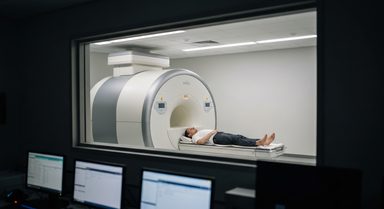
Distinct Cortical Thickness Patterns Define Positive and Negative Schizotypy
MRI analysis of 2730 healthy adults links subclinical traits to specific neurotransmitter systems and neurodevelopmental disorders.
-

Ceruloplasmin Deficiency Linked to Fusiform Gyrus Pathology in Autism Subtype
Low ceruloplasmin levels drive lipid and myelin imbalances in children with autism and atypical visual processing.
-

Cannabis Use Blunts Neurocognitive Development in Adolescents
Longitudinal data and hair toxicology link THC exposure to flattened growth in memory and processing speed from ages 9 to 17.
-

Systematic Review Evaluates 70 Years of Neuroimaging in Extra-Sensory Perception
Analysis of 143 reports identifies potential electrophysiological markers despite widespread methodological limitations and small samples.
-

Oral Frailty Affects 69% of Hospitalized Patients With Schizophrenia
A machine learning analysis identifies medication non-adherence and hospitalization frequency as key predictors of dental decline.
-

Device Conflicts Affect 10% of Pediatric Mental Health Boarding Patients
Younger males with neurodevelopmental disorders face the highest risk of behavioral dysregulation when digital device access is restricted.
-

GLP-1 Agonists Show No Increased Suicide Risk in Large Cohort
A nationwide study finds GLP-1 receptor agonists carry no higher risk of suicide attempts than other common antidiabetic medications.
-
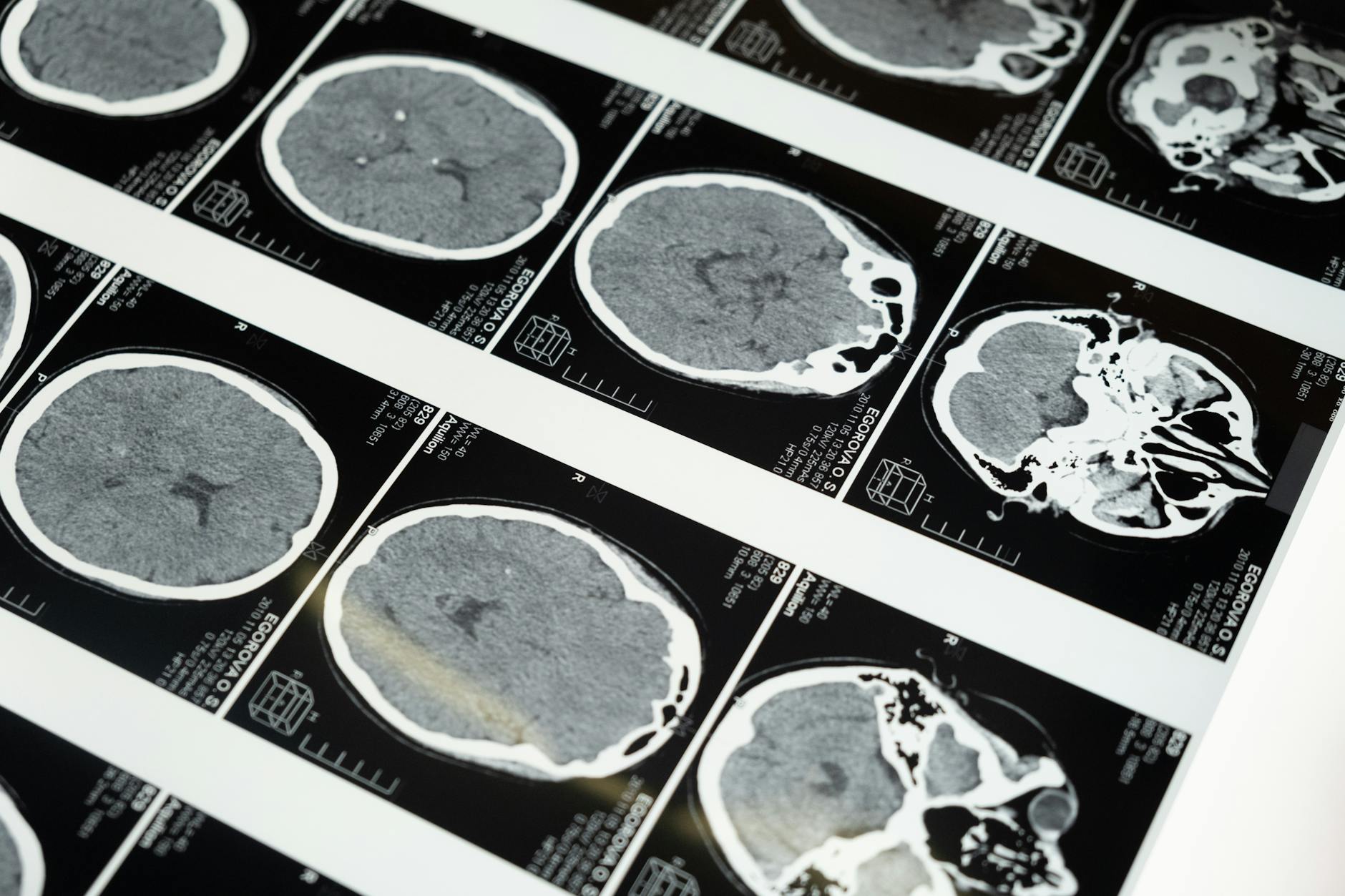
7 Tesla MRI Reveals Rapid Neural Connectivity Shifts During Cognitive Tasks
Healthy adults transition from surveillance to automated processing within minutes of mental exertion despite stable behavioral performance.
-

Bitemporal ECT and rTMS Plus SSRIs Reduce Suicidal Ideation
A network meta-analysis of 58 trials finds nonconvulsive brain stimulation alone is ineffective for suicidal ideation without medication.
-

Danish Registry Data Show Rising ADHD Medication Use and Sex Convergence
Prevalence tripled among girls between 2010 and 2023, though they continue to initiate treatment two years later than boys.