
The Briefing
Continuous newsroom coverage of clinically relevant evidence — newest first.
Earlier
24 stories-

Pimicotinib Yields 54% Response in Tenosynovial Giant Cell Tumors
The selective inhibitor pimicotinib demonstrates high efficacy for unresectable joint tumors while avoiding severe hepatotoxicity.
-

Zorevunersen Cuts Convulsive Seizures in Children With Dravet Syndrome
The investigational antisense therapy reduced convulsive-seizure frequency by up to 90.91% and improved adaptive behavior over 36 months.
-

Seven Hours of Sleep Maximizes Depression Risk Reduction in Older Adults
A national cross-sectional study reveals a non-linear relationship where the mental health benefits of sleep attenuate after seven hours.
-

ADHD Linked to Attenuated Rightward Structural Asymmetry in Children
MRI data reveal that reduced right-hemisphere dominance in frontal and striatal regions correlates with impaired attention and timing.
-

Finerenone Reduces Albuminuria in Type 1 Diabetes and CKD
A phase 3 trial shows the mineralocorticoid receptor antagonist finerenone safely lowers albuminuria in adults with type 1 diabetes.
-

Baxdrostat Reduces 24-Hour Blood Pressure in Resistant Hypertension
A phase 3 trial shows the selective aldosterone synthase inhibitor baxdrostat reduces systolic blood pressure by 14 mm Hg versus placebo.
-

Neoadjuvant GOLP Doubles Event-Free Survival in Cholangiocarcinoma
Administering the GOLP regimen before surgery extends median event-free survival to 18 months in high-risk intrahepatic cholangiocarcinoma.
-

LGBTQ+ EMS Clinicians Balance Professional Identity and Disclosure
A qualitative analysis reveals how LGBTQ+ prehospital clinicians navigate workplace disclosure while prioritizing their clinical skills.
-

Sleep Under 6.7 Hours Linked to Depression in Opioid Users
A U-shaped dose-response curve reveals that insufficient sleep increases depression risk by 60% among adults taking prescription opioids.
-

Lab and Point-of-Care Electrolyte Tests Diverge in 10% of ICU Cases
A prospective study reveals that central lab and point-of-care sodium and potassium measurements are not interchangeable in critical care.
-

Digital Dyadic Interventions Improve Cognition and Reduce Caregiver Burden
A review of 38 studies finds digital tools like mobile apps and remote platforms enhance patient cognition and ease caregiver burden.
-

Real-World CBT Improves Distress but Not Pain in Functional Neurological Disorder
Routine clinical data from 234 adults shows cognitive behavioral therapy significantly reduces psychological distress but not physical pain.
-

Social Skills Training Modulates Local Connectivity in the Autistic Social Brain
A 14-week intervention reduces regional homogeneity in the medial frontal gyrus, correlating with improved social responsiveness scores.
-

Paranoia and Distress Aversion Predict Faster Borderline Personality Disorder Response
Female patients with borderline personality disorder exhibiting higher baseline paranoia show faster symptom decline during residential care.
-

Conscientiousness and Resilience Link to Special Forces Selection Success
A study of German Special Forces candidates links cognitive performance, conscientiousness, and resilience to objective selection success.
-

Impulsivity Traits Mediate Childhood Trauma and Subjective Health Burdens
Nearly one-third of adults with childhood trauma report subjective health impacts without a formal psychiatric diagnosis.
-

Executive Function Drivers of Autism Social Deficits Shift With Age
While executive function consistently impacts social skills in autism, the specific cognitive domains involved change as patients age.
-
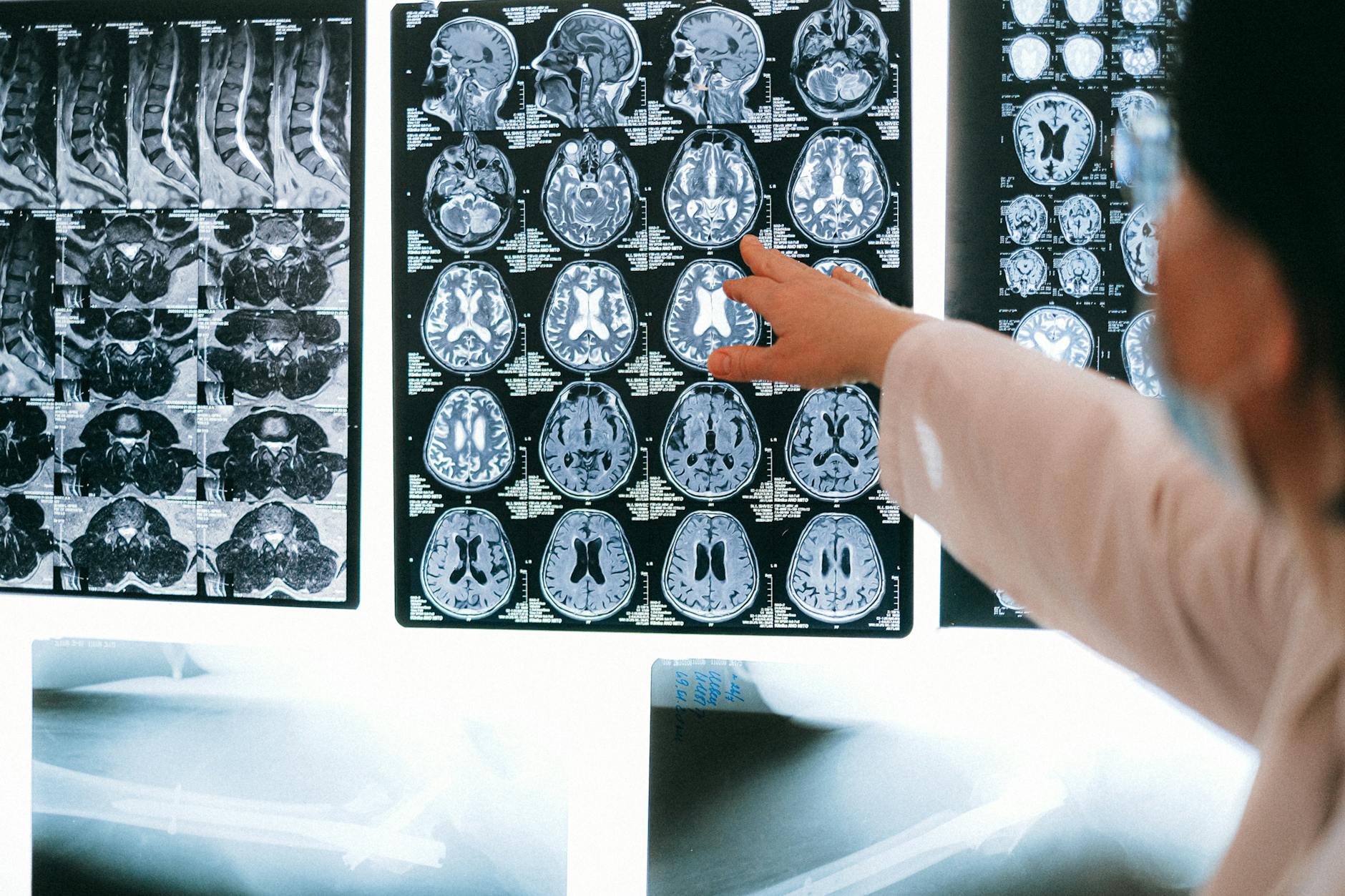
Initial EEG and Neonatal Onset Predict Genetic Epilepsy Outcomes
Specific electroencephalography patterns and neonatal seizure onset strongly correlate with drug resistance and severe developmental delay.
-

Childhood Adversity and Trafficking Severity Predict Survivor Recovery
A survey of 350 U.S. survivors shows that early trauma and exploitation intensity drive long-term economic and psychological outcomes.
-

Post-Displacement Environments Drive Distinct Psychiatric Symptoms
A meta-synthesis of 984 refugees reveals camps amplify acute somatic distress, while urban resettlement drives chronic depression.
-

Home-Based Accelerated TMS Proves Feasible for Major Depression
A pilot study shows intensive home-based neuromodulation is safe and reduces depression, though current devices pose logistical hurdles.
-

Conservative Care Reduces Hospital Stay in Severe Liver Trauma
A UK study shows non-operative management for severe liver trauma yields shorter hospital stays without increasing 30-day mortality.
-

Hybrid Dialectical Behavior Therapy Reduces Suicidal Ideation in Adolescents
A year-long trial shows combining online and offline DBT improves emotional regulation and depressive symptoms in self-injuring youth.
-

Greater Than 10% Weight Loss Needed to Reduce Obesity-Linked Cancers
Observational data show bariatric surgery or GLP-1 agonists yield modest absolute risk reductions of 0.02% to 0.5% in cancer incidence.