
The Briefing
Continuous newsroom coverage of clinically relevant evidence — newest first.
Earlier
24 stories-

Prehospital Opioid Treatment Programs Show High Consistency in North Carolina
A cross-sectional analysis of 21 counties reveals standardized protocols for EMS-administered buprenorphine, offering a replicable model.
-

COVID-19 Does Not Alter Catatonia Presentation or Treatment Response
A four-year retrospective study finds no significant clinical differences between pre-pandemic and post-pandemic catatonia cases.
-

Paramedic Ride-Alongs Improve Medical Student Grasp of Social Determinants
First- and second-year medical students reported a better understanding of community health barriers after 8-hour paramedic ride-alongs.
-

15-Item Tool Predicts Post-Intensive Care Syndrome at Three Months
A new 15-question assessment administered at intensive care unit discharge shows moderate accuracy in predicting long-term functional decline.
-

Cognitive Insight Linked to Eveningness via Stigma in Schizophrenia
A study of 785 patients suggests that higher clinical awareness may inadvertently disrupt circadian rhythms by increasing social stigma.
-

Widening Hospital Margins Accelerate Oncology Biosimilar Adoption
As acquisition costs for cancer biosimilars drop faster than insurance reimbursements, hospitals are rapidly shifting to these therapies.
-

Pediatric Lumbar Puncture Simulation Boosts Skills but Relies on Time-Based Practice
A review of 17 studies shows simulation training improves trainee knowledge, but most programs lack objective clinical outcome measures.
-

Structured Follow-Up Reduces Heart Disease Readmissions and Improves Adherence
A retrospective cohort study finds continuity of care cuts cardiovascular readmission rates from 16.4% to 5.5% over six months.
-
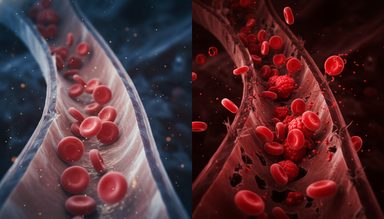
Apixaban Reduces Bleeding Risk Versus Rivaroxaban in Venous Thromboembolism
In a randomized trial of 2,760 patients, apixaban resulted in a 3.3% bleeding rate compared to 7.1% for rivaroxaban over three months.
-
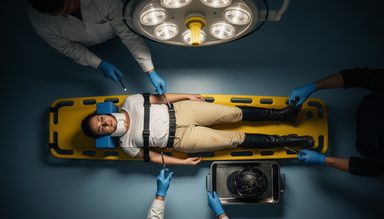
Spinal and Head Injuries Dominate Emergency Visits for Equestrian Falls
A multicenter study of 669 patients reveals high rates of spinal and head trauma, driving extensive emergency imaging and hospitalizations.
-

Crisis Skills Correlate With Dispatcher Performance in Mass Casualties
A 19-month simulation study shows a strong correlation between crisis resource management skills and objective performance metrics.
-

Romiplostim Prevents Chemotherapy Dose Reductions in Gastrointestinal Cancers
A phase 3 trial shows romiplostim maintains platelet counts, allowing patients to receive full oxaliplatin-based chemotherapy doses.
-

Family Resilience Buffers Depression Risk in Caregivers of Children With Autism
Specific family dynamics like communication and social support mitigate the psychological impact of social alienation in Chinese parents.
-

Poor Communication and End-of-Life Care Drive Burnout in Ugandan EDs
Nearly half of surveyed emergency department staff in Uganda report high emotional exhaustion, exacerbated by systemic resource shortages.
-

Extracorporeal Resuscitation Yields 33% Six-Month Survival in New Center
A newly established center demonstrates that extracorporeal resuscitation achieves favorable long-term outcomes despite prolonged transport.
-

Priming Techniques Increase Embodiment During Mirror Visual Feedback
A proof-of-concept study shows rubber hand illusion and goal-oriented tasks enhance the perception of mirrored limbs in healthy adults.
-

ICU Antipsychotic Exposure Linked to Fewer Catatonia-Free Days
Critically ill patients receiving antipsychotics experience a dose-dependent reduction in days alive and free from catatonia.
-
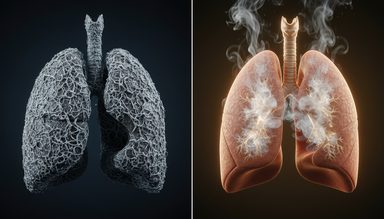
Inhaled Treprostinil Slows FVC Decline in Idiopathic Pulmonary Fibrosis
A phase 3 trial shows inhaled treprostinil preserves forced vital capacity and reduces clinical worsening over 52 weeks versus placebo.
-
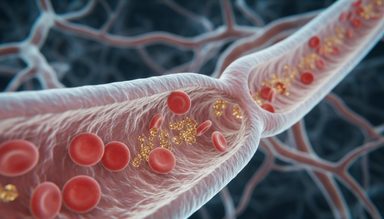
Recent Infection Increases Childhood Stroke Risk; No Link Found for Vaccination
A population-based study finds that infection within 60 days more than doubles stroke risk in children, while vaccination shows no link.
-

Inpatient Rehab Tied to More Days at Home After ICU Discharge
Each hour of inpatient rehabilitation is linked to an 8% higher odds of older ICU survivors spending more time at home post-discharge.
-

Brain Age Index from Healthy Tissue Predicts Glioma-Related Epilepsy
A neuroimaging metric calculated from non-tumorous brain regions helps clinicians quantify systemic changes and predict seizure risk.
-

Clozapine Increases Response After One Failed Antipsychotic in Early Psychosis
A sequential trial reveals that switching to clozapine after a single failed antipsychotic yields a 62.5% response rate in early psychosis.
-

Post-Traumatic Depression Persists in Youth Over One Year
Nearly 40% of trauma-exposed youth show clinically significant depression acutely, with most symptoms persisting at one year without remission.
-

Maps 80 Youth Mental Health Assessment Tools, Finding Critical Gaps
A scoping review of 80 outcome measurement instruments reveals a complete lack of validated tools for young adults aged 19 to 24.