
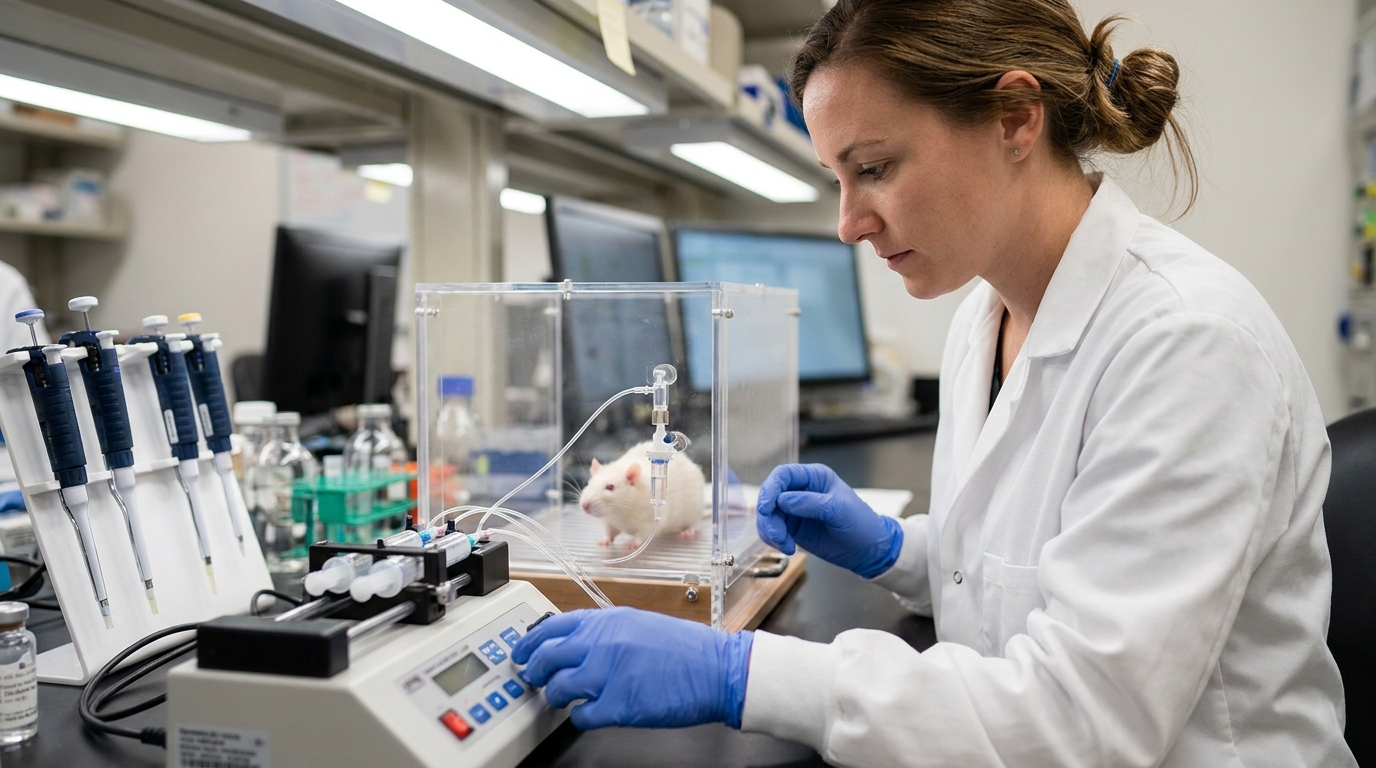
Involuntary Prenatal Oxycodone Exposure Increases Addiction Risk in Rat Offspring
A rat study shows that non-contingent maternal opioid use leads to higher motivated drug-seeking in adult progeny than voluntary intake.

Type 2 Diabetes Linked to Reduced Effort-Based Motivation Unchanged by Semaglutide
A computational study finds metabolic dysfunction drives a cognitive shift toward energy conservation regardless of GLP-1 agonist use.

Schizophrenia Subtype Shows Low Striatal Dopamine and Iron Accumulation
A frontotemporal dementia-like phenotype in schizophrenia patients challenges the universal hyperdopaminergic model of the disease.
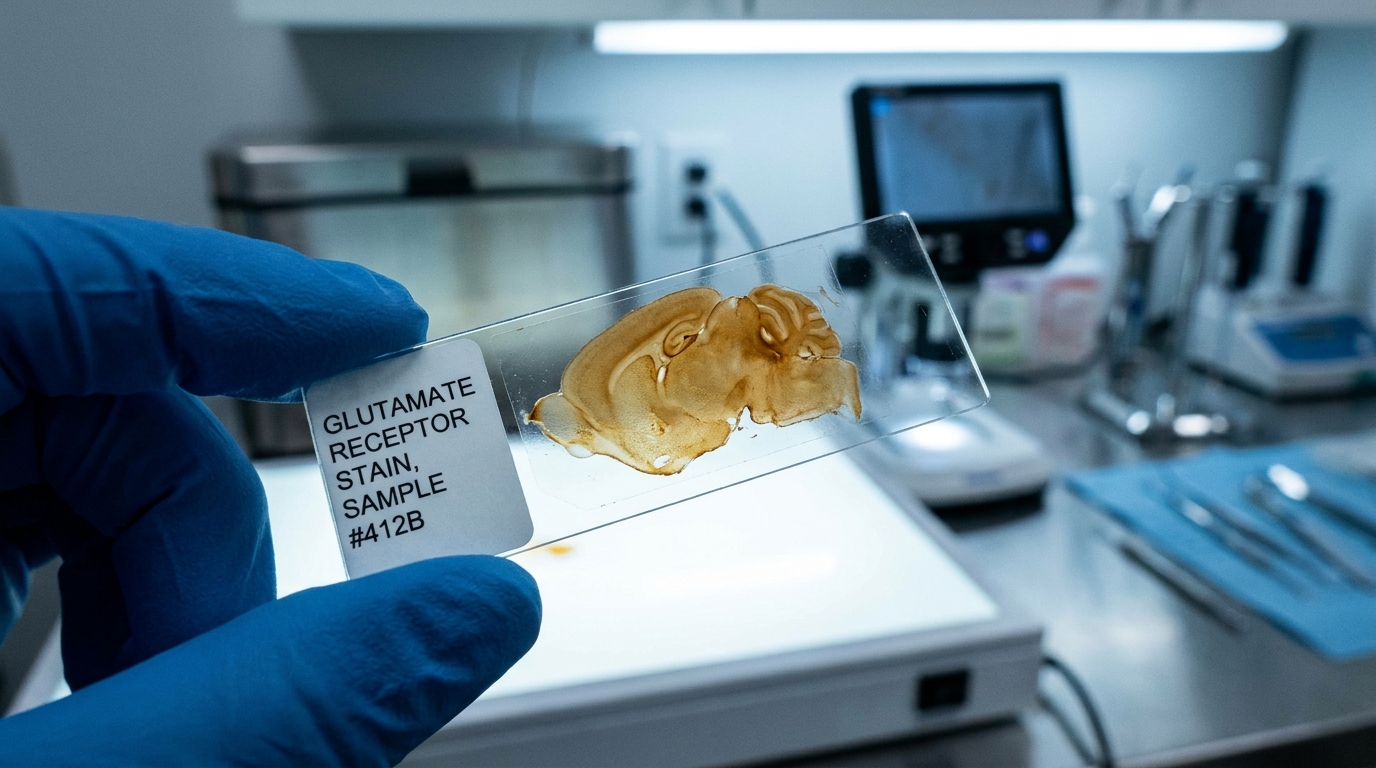
Luvadaxistat Fails to Improve Schizophrenia Cognition in Phase 2 Trial
The ERUDITE study found no significant cognitive benefit from adding the D-amino acid oxidase inhibitor to stable antipsychotic therapy.
Neural Responses to Reward Uncertainty Linked to Adolescent Anxiety and Anhedonia
Striatal and default network activity during uncertain reward tasks correlates with symptom severity in medication-free adolescents.

Social Stress Drives Sex-Specific Molecular Changes in Female Reward Circuitry
Mouse models and human data reveal that social withdrawal in females involves distinct gene expression patterns in the nucleus accumbens.

Evidence Accumulation Efficiency Predicts Substance Use Better Than Inhibitory Control
A longitudinal study of 1,000 adults suggests decision-making speed, not impulse suppression, is the primary marker for addiction risk.

Lateral Septal PACAP Signaling Modulates Stress and Anxiety in Rodent Models
Localized neuropeptide activity in the lateral septum regulates the neuroendocrine response and shifts behavior toward passive coping.
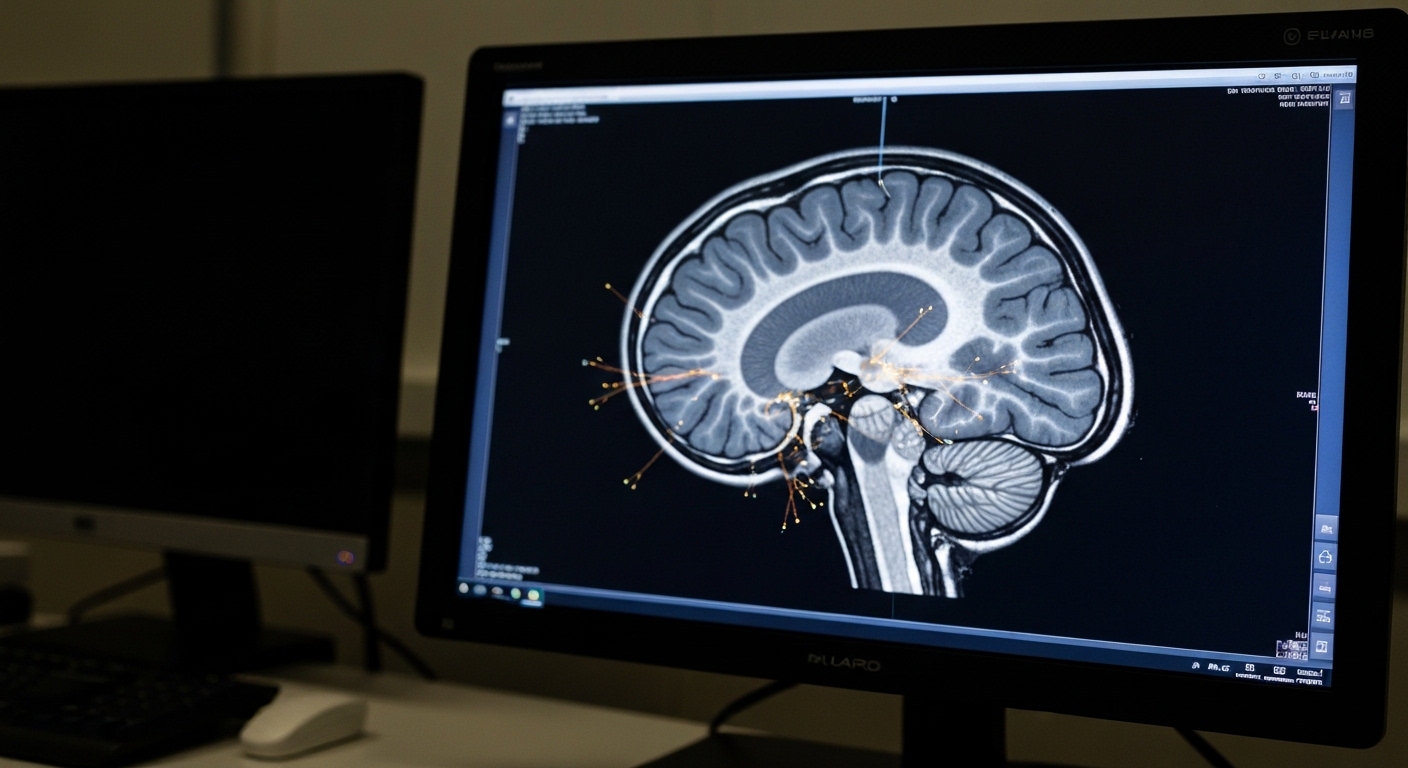
Baseline Connectivity Predicts Anxiety Improvement in Prefrontal TMS Trial
Pre-treatment neural architecture, rather than post-stimulation connectivity changes, correlates with clinical recovery in patients.

Cannabis Use Blunts Neurocognitive Development in Adolescents
Longitudinal data and hair toxicology link THC exposure to flattened growth in memory and processing speed from ages 9 to 17.
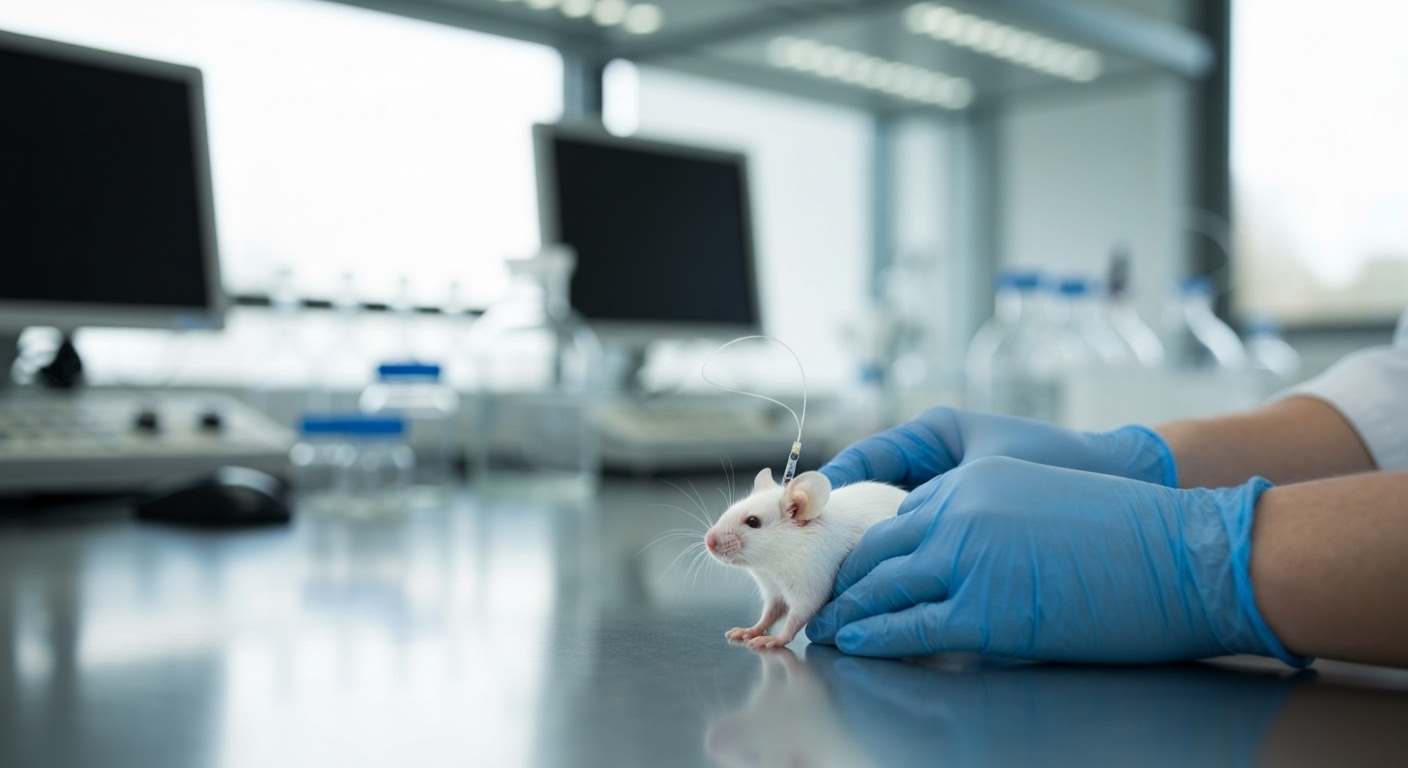
Iron Deficiency Drives Dopaminergic Hypersensitivity in Rodent Restless Legs Model
A study in mice links brain iron deficiency to increased GABA release in the striatal-entopeduncular pathway, mimicking opioid withdrawal.
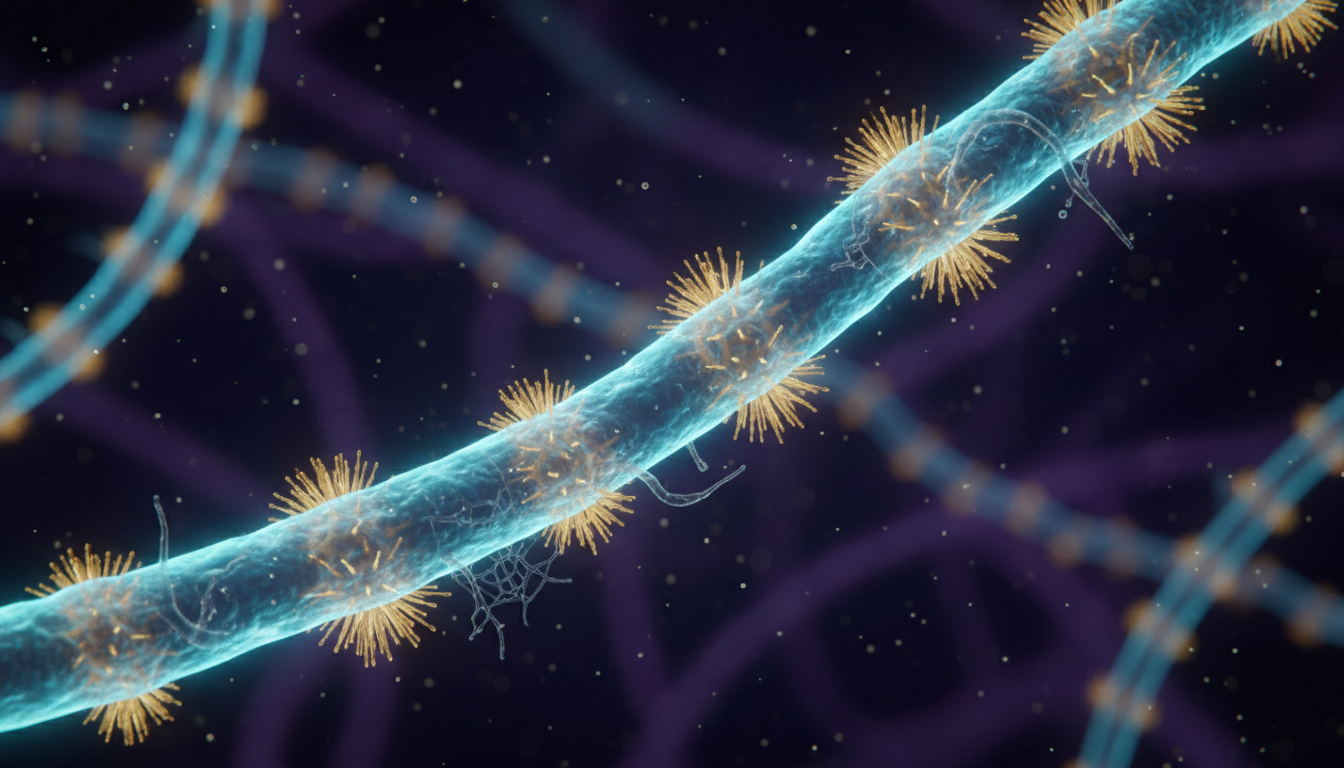
NMDA Receptor Ablation in Adolescent Mice Triggers Synaptic Rebound
Removing NMDA receptors in the adolescent mouse prefrontal cortex causes an initial spine loss followed by a compensatory synaptic rebound.