
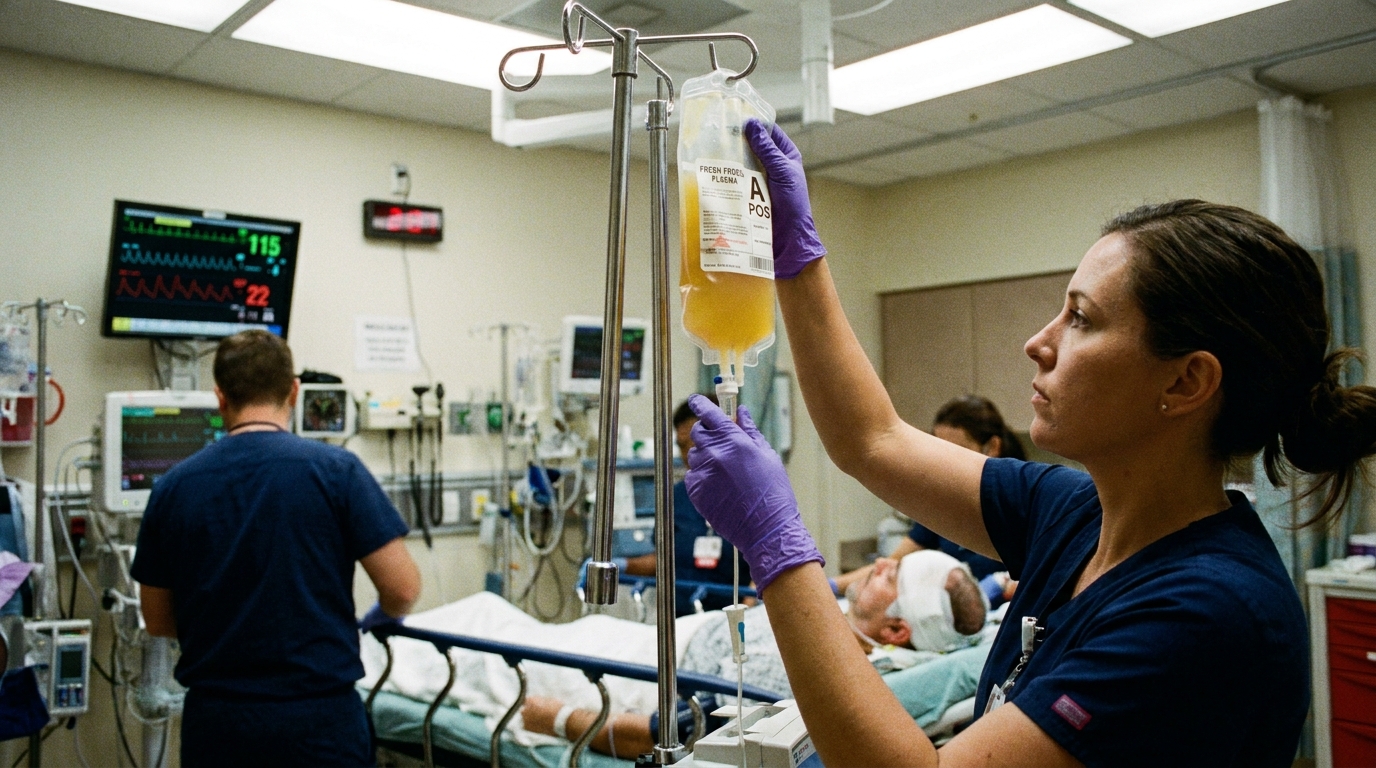
High-Ratio Plasma Resuscitation Reduces Mortality in Moderate Traumatic Brain Injury
A large database analysis suggests plasma-heavy transfusion improves 30-day survival for patients not requiring massive transfusion.

Risk-Weighted Impact Metric May Reduce Overtreatment of Incidental Aneurysms
A simulation study shows that accounting for the timing of adverse events preserves quality-adjusted life years compared to standard models.
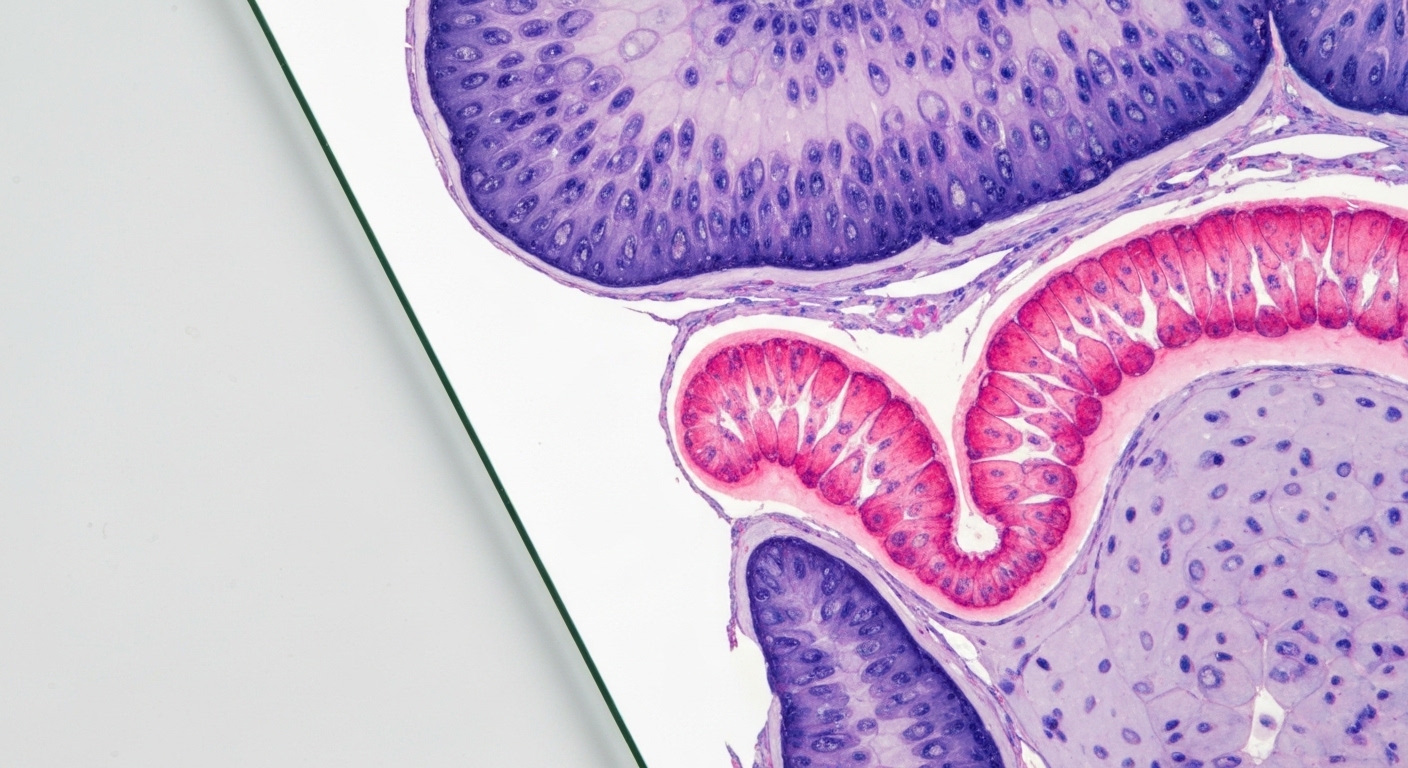
Genetic Diagnosis and Multisuture Fusion Predict Chiari Risk in Lambdoid Synostosis
Longitudinal data suggest routine MRI screening is unnecessary for isolated unilambdoid synostosis but essential for multisuture cases.

CSF Outflow Resistance and Callosal Angle Predict iNPH Shunt Outcomes
Elevated fluid resistance and preserved preoperative cognition correlate with sustained functional gains after ventriculoperitoneal shunting.
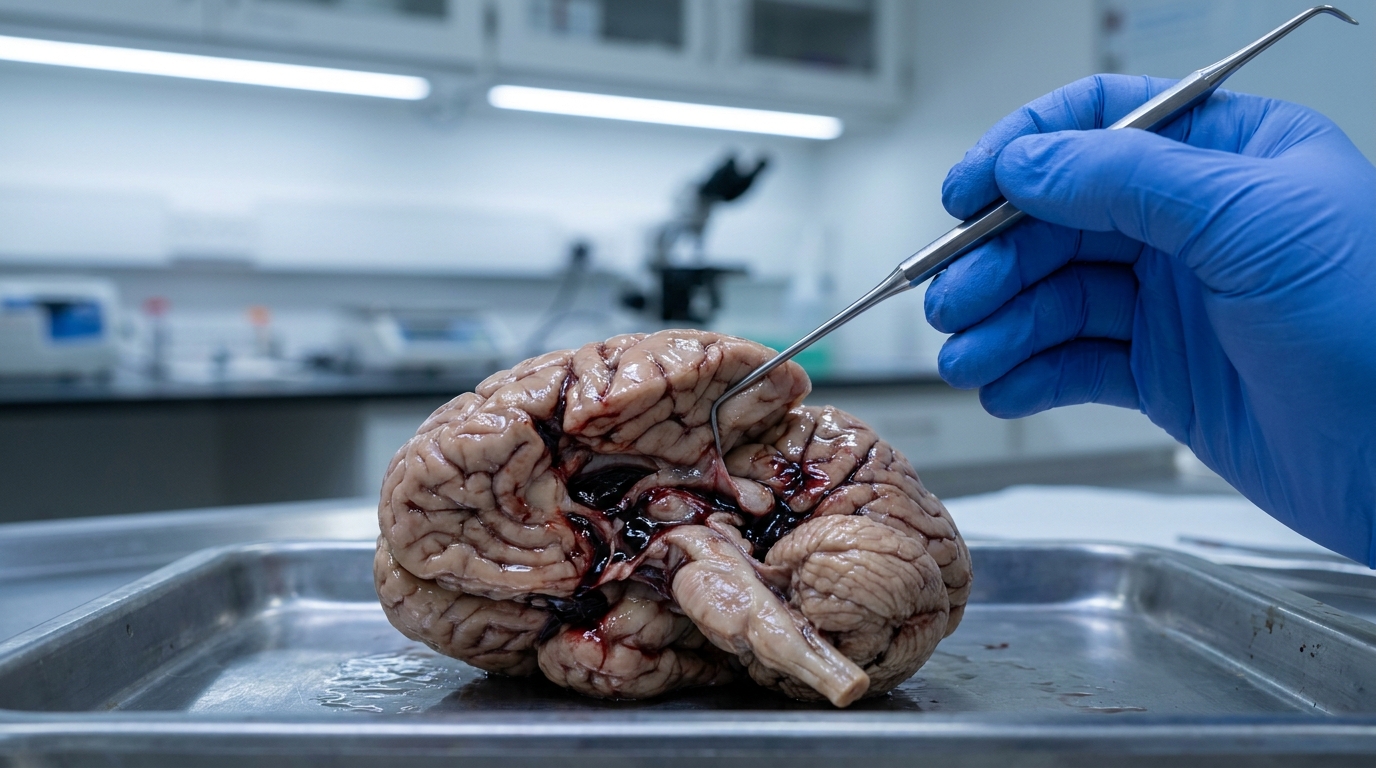
Peritruncal Blood Volume Predicts Shunt Dependency and Functional Recovery in aSAH
Infratentorial hematoma volume shows stronger associations with long-term outcomes than traditional Fisher scales in subarachnoid hemorrhage.

Automated CT Analysis Predicts 90-Day Mortality in Subarachnoid Hemorrhage
A deep learning model using only admission imaging matches the accuracy of clinical scoring systems for predicting patient outcomes.
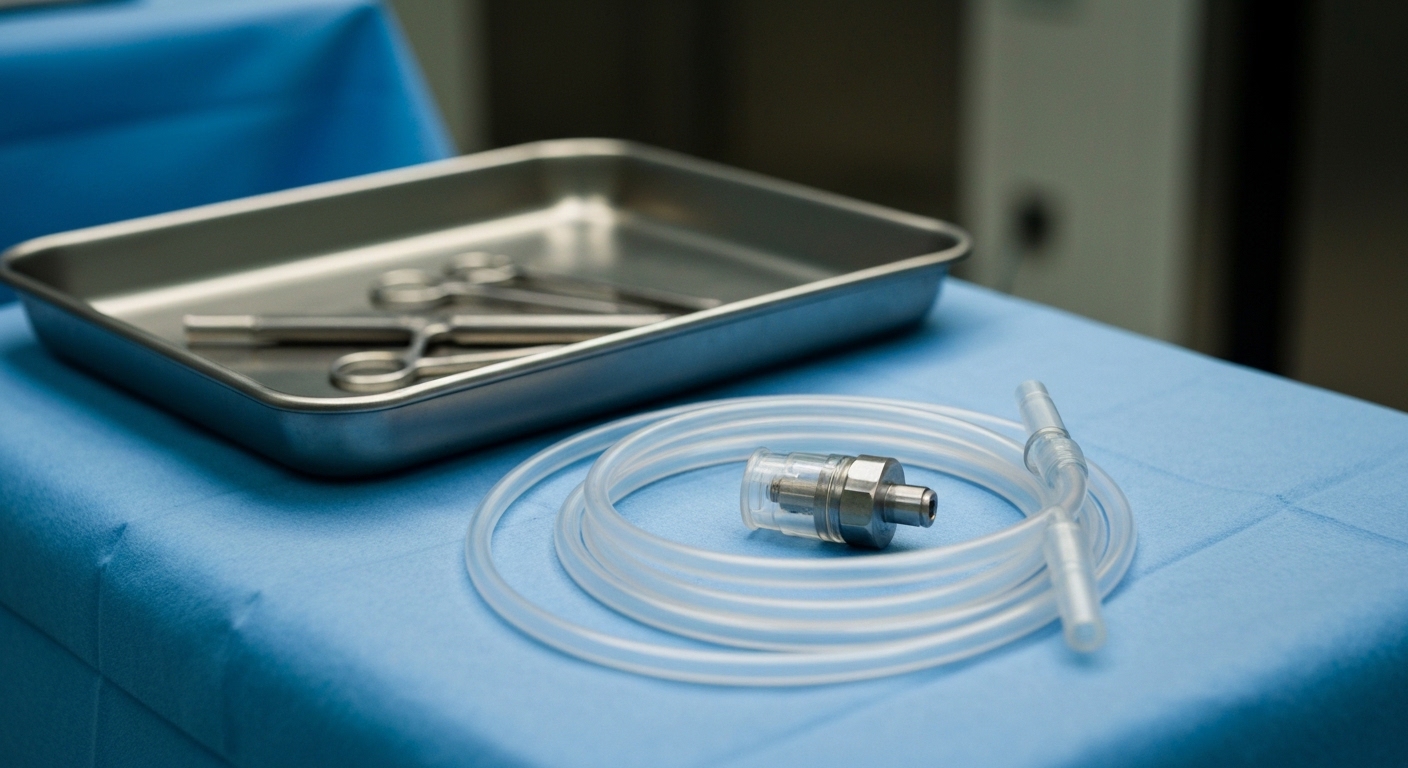
Permanent Shunts Reduce 3-Month Mortality in Intracerebral Hemorrhage
Shunting improves survival by 60 percent but correlates with early morbidity and incontinence before functional recovery at one year.
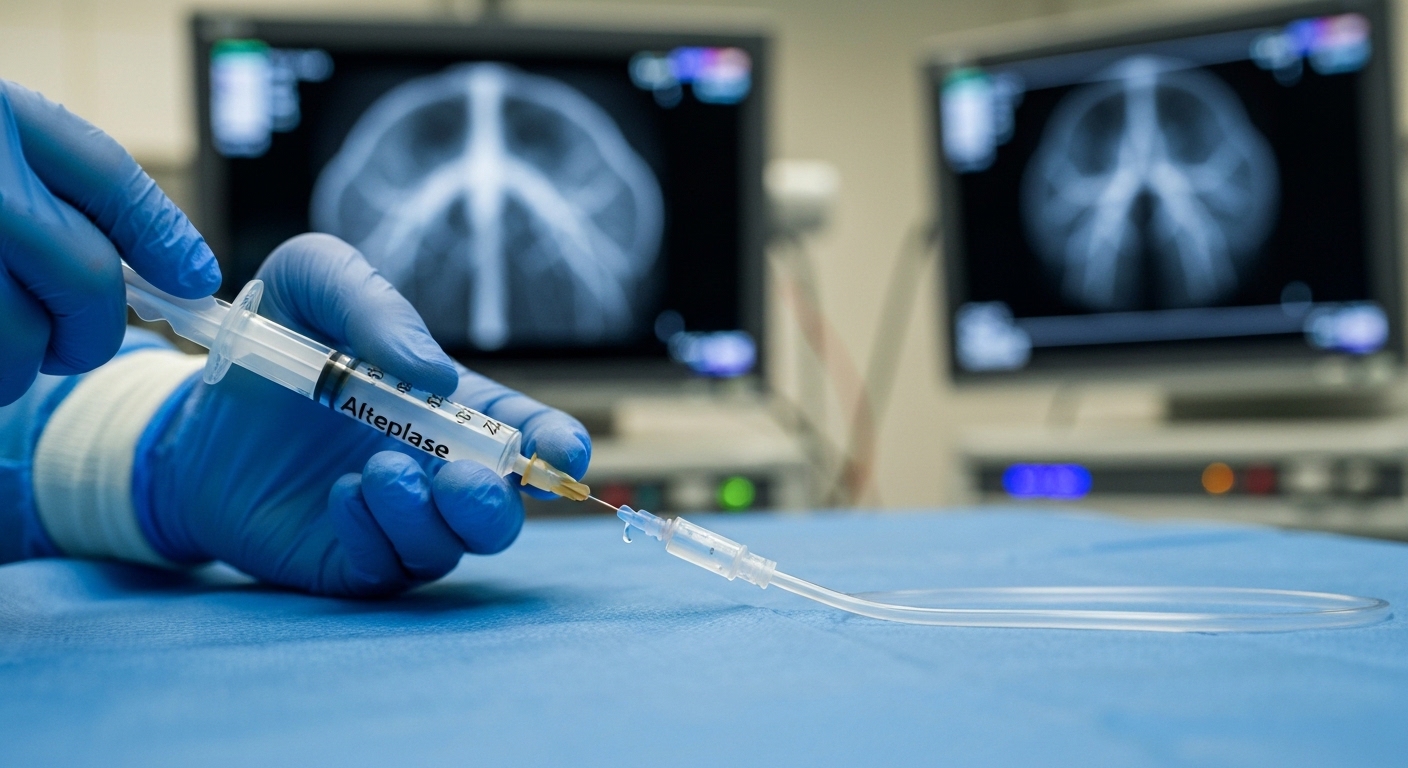
Adjunctive Alteplase Fails to Improve Outcomes in Basilar Artery Occlusion
A randomized trial finds that intra-arterial thrombolysis after successful recanalization is safe but does not increase functional independence.
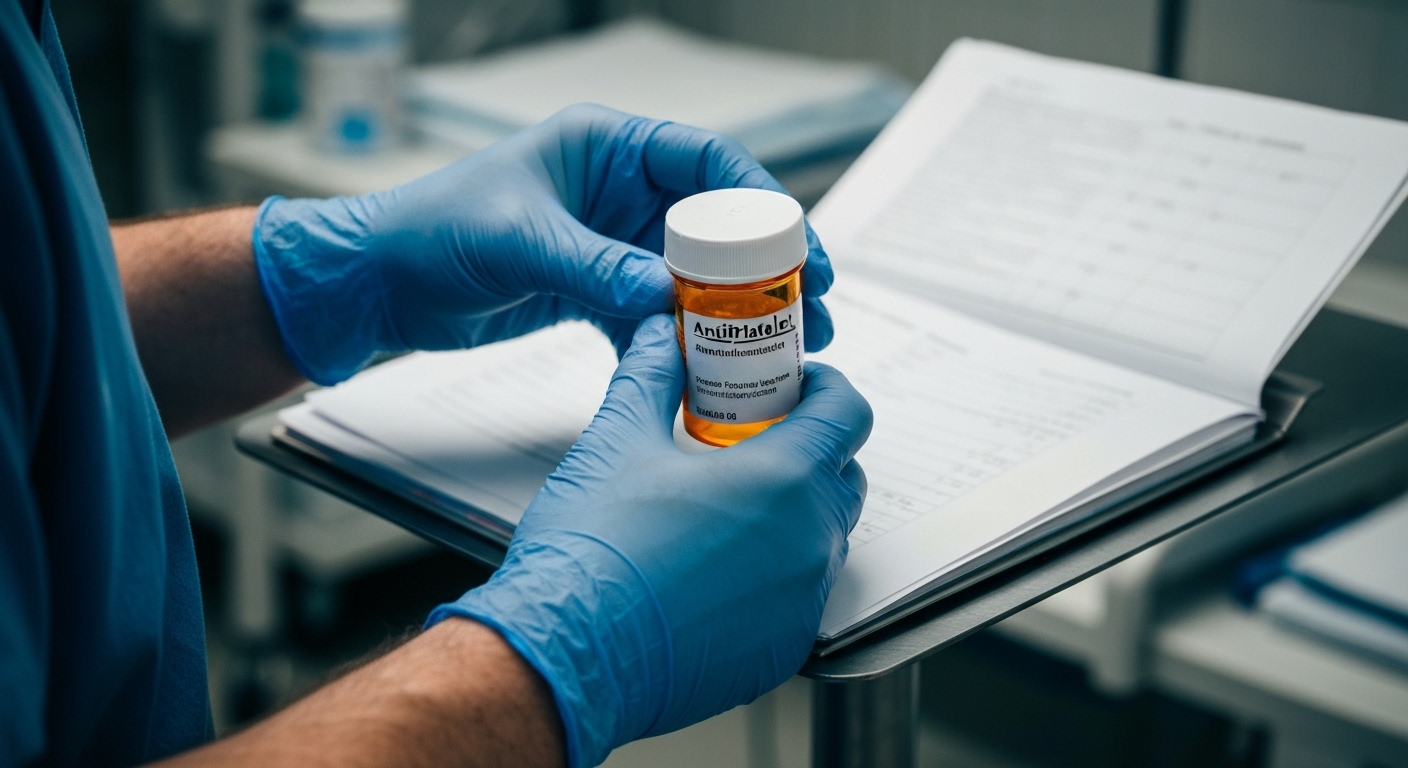
One in Three ICH Patients on Antithrombotics Lack Clinical Indication
A retrospective study finds 30.4% of patients with intracranial hemorrhage were taking unindicated anticoagulants or antiplatelets.
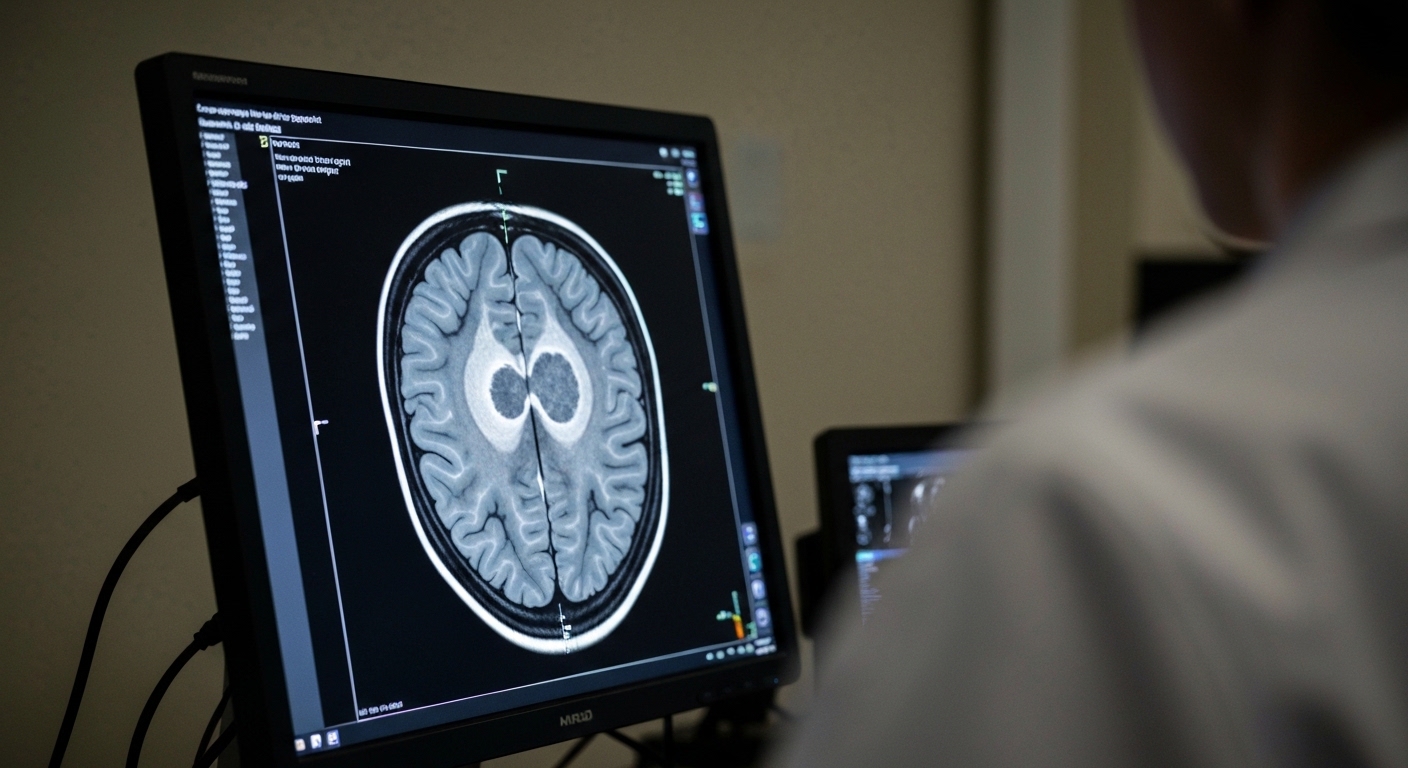
Gamma Knife Controls Craniopharyngioma but Symptom-Driven Interventions Remain Common
A 108-month study shows 89% 10-year survival, though 28% of patients require further intervention despite radiographic stability.
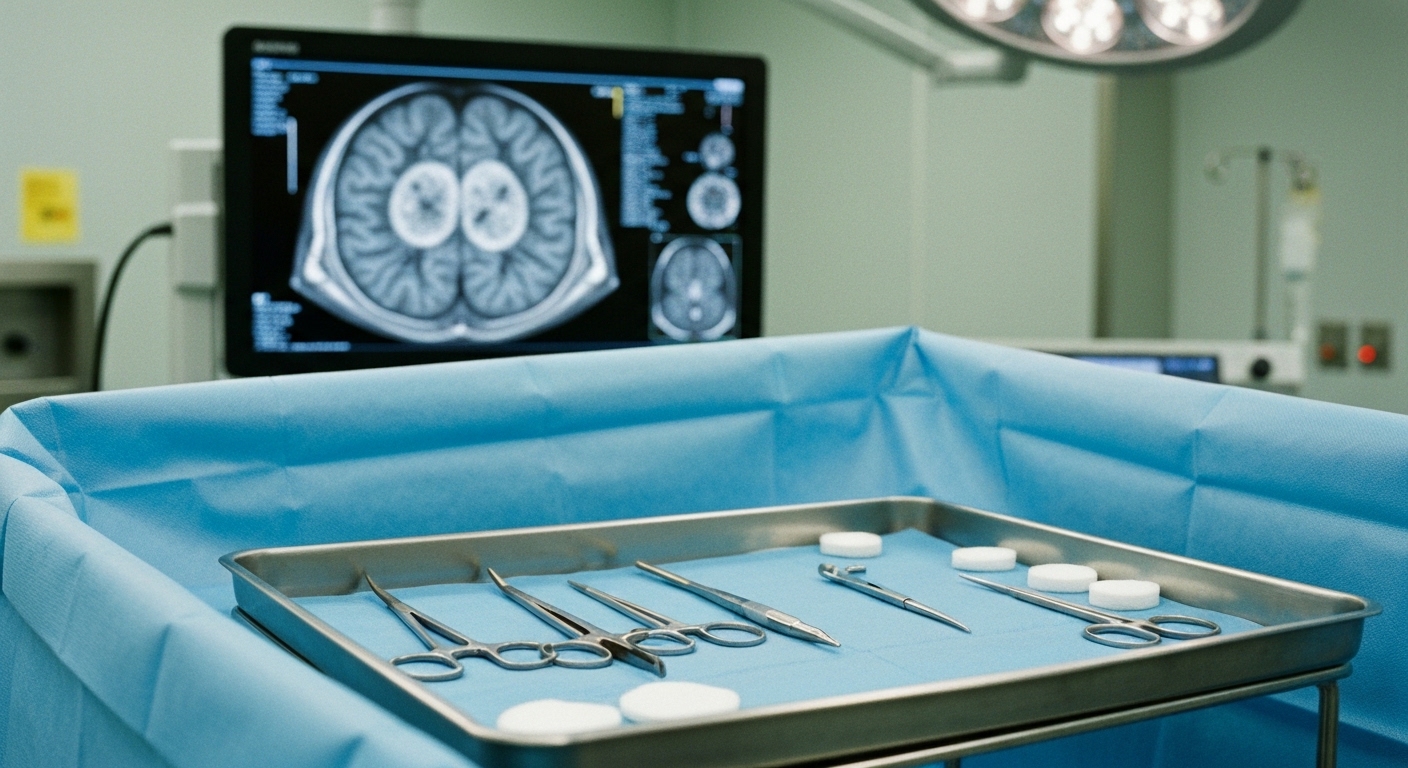
Anatomical Subtype and Nidus Embedding Predict AVM Surgical Outcomes
A 25-year study identifies visual and brainstem locations and embedded margins as key risks for deficits after AVM resection.

Hypoxia Preconditioning Increases Adipose Stem Cell Fusion Mass in Rats
Stabilizing hypoxia-inducible factor-1α with DMOG improves bone formation and tissue maturation in a posterolateral spinal fusion model.