
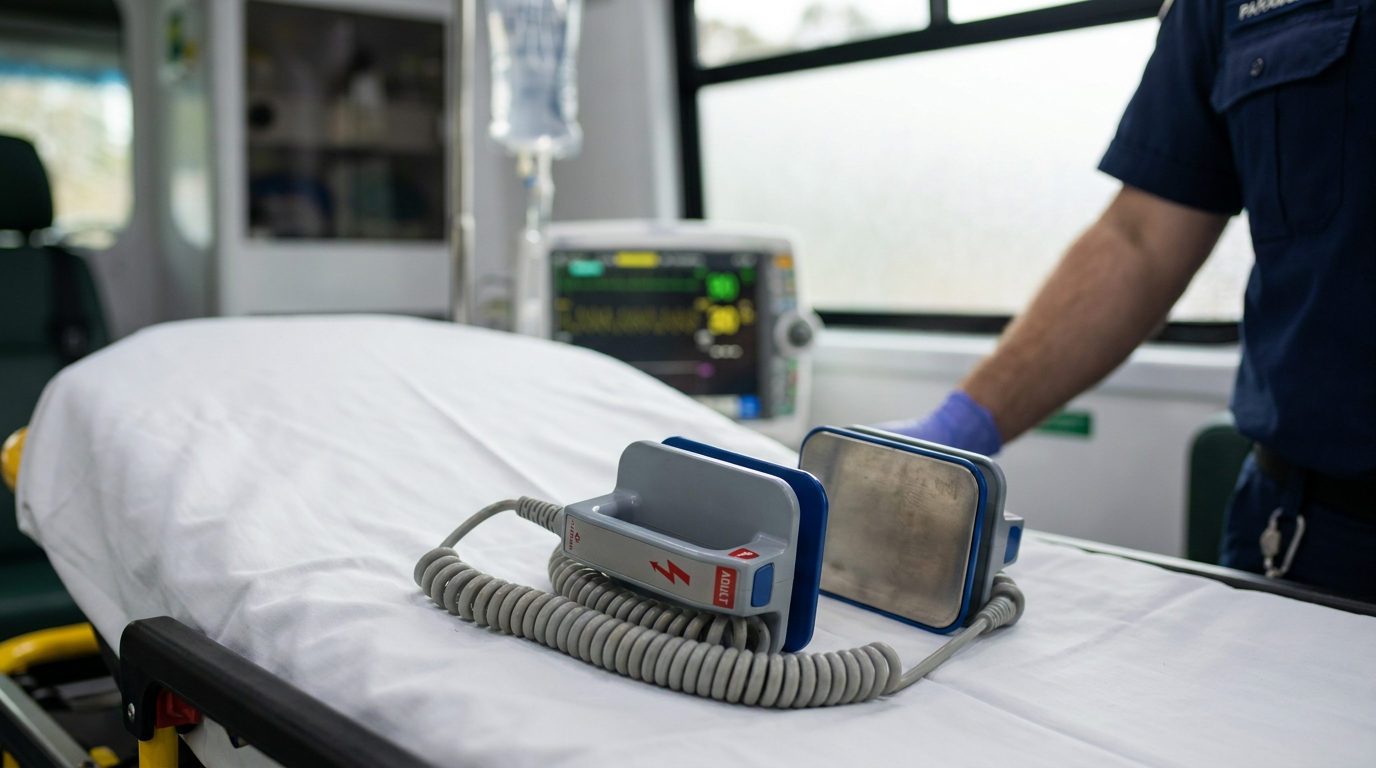
Naloxone Linked to Improved Survival in PEA Out-of-Hospital Cardiac Arrest
A retrospective cohort study suggests prehospital naloxone administration is associated with better survival to discharge for OHCA patients.
Early Bradycardia Predicts Need for Positive Pressure Ventilation in Newborns
An observational study quantifies heart rate response to tactile stimulation and identifies early bradycardia as a marker for advanced resuscitation.
Double Sequential Defibrillation Implementation Shows No Survival Benefit in New Zealand EMS
A retrospective cohort study found no improvement in return of spontaneous circulation or 30-day survival after DSD introduction.

Waveform-Derived 60-Second ROSC Definition Accurately Identifies Transient Events
A prospective validation study confirms a specific defibrillator waveform criterion reliably detects transient return of spontaneous circulation.

Helicopter Transport Expands ECPR Access for Rural Refractory Cardiac Arrest
A HEMS-facilitated ECPR pathway safely extends advanced resuscitation to rural areas, maintaining neurologic outcomes comparable to ground transport.

Multimodal Training Improves Pediatric CPR Depth, Rate Compliance in ED
A quality improvement initiative in a pediatric emergency department enhances chest compression metrics through integrated coach and compressor…
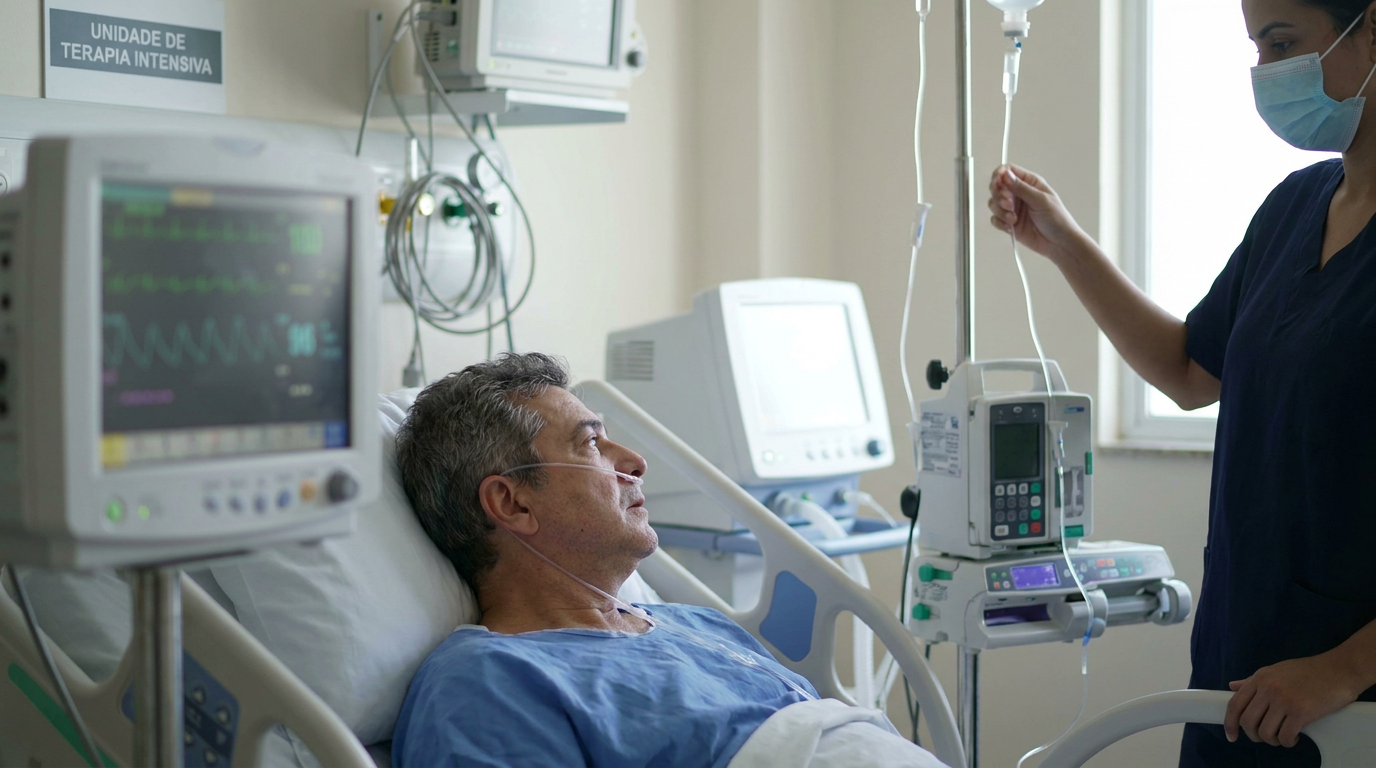
Delayed Awakening After Cardiac Arrest: Prognostic Implications and Recovery Potential
A scoping review highlights variable definitions and the potential for good neurological recovery despite delayed awakening after OHCA.
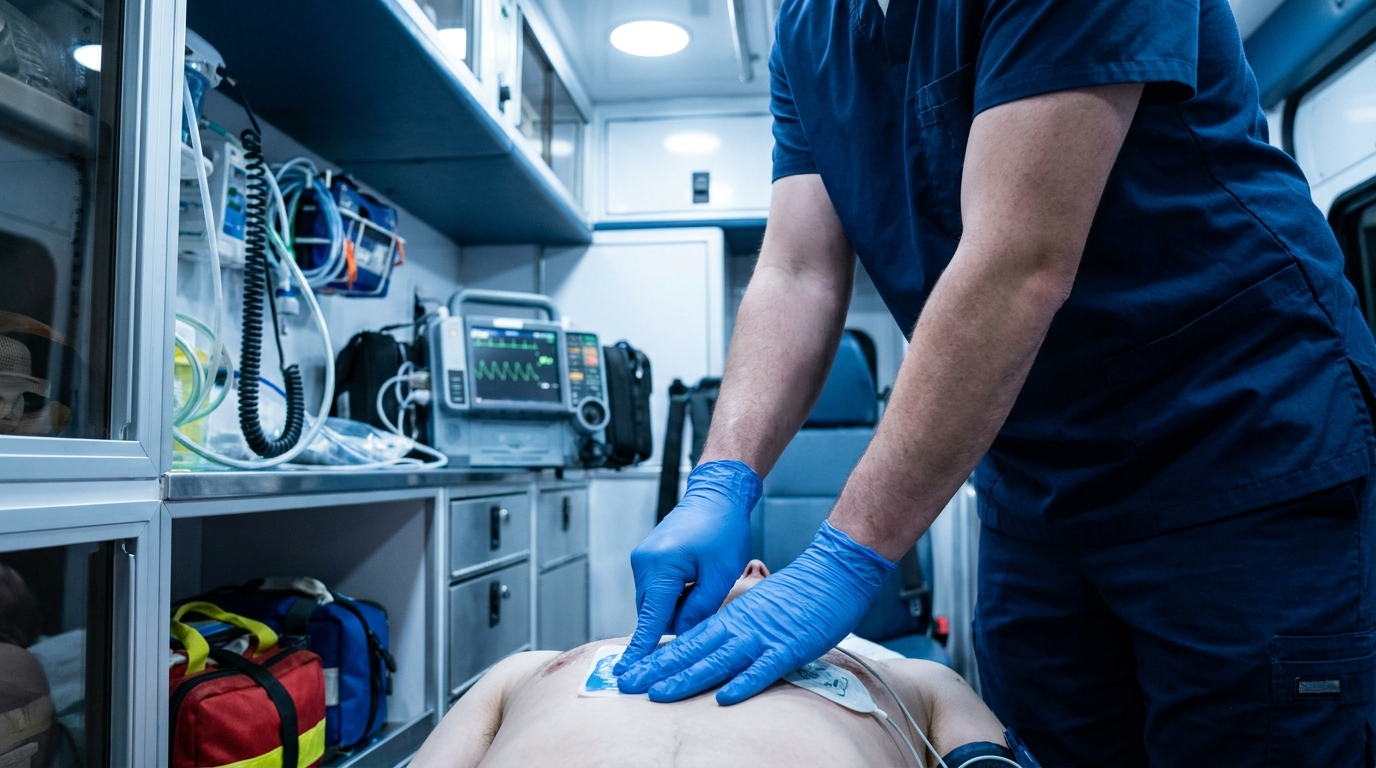
Manual Pressure Augmentation During Defibrillation Does Not Improve Survival
A randomized trial found that while manual pressure reduces transthoracic impedance, it does not increase survival to hospital discharge.

Cardiac Arrest Increases Mortality and Coronary Complexity in STEMI Shock
A retrospective study of 345 patients shows that cardiac arrest in cardiogenic shock signals higher SYNTAX scores and 80% 1-year mortality.
Age, Rhythm, and Low-Flow Duration Predict Neurological Recovery After ECPR
A 14-year cohort study identifies specific predictors to help clinicians select cardiac arrest patients for extracorporeal resuscitation.

Bedside AI Analyzes EEG to Predict Cardiac Arrest Outcomes
A deep learning tool integrated into ICU monitors provides continuous prognostic trajectories for comatose patients within 36 hours.
Sex Not Independently Linked to Post-Arrest Neurological Recovery
Observed survival disparities between men and women disappear after adjusting for initial rhythm and arrest etiology.