

Plasma Proteins Predict Multiple Sclerosis Risk and Disease Severity
An integrated genetic-proteomic analysis identifies specific circulating proteins associated with MS risk and progression, offering potential…

Hippocampal Subfield Atrophy Links to Cognitive Decline in Healthy Aging
A study in healthy Indian adults identifies specific hippocampal subfield volume reductions in older age associated with poorer learning and memory.

ICP Monitoring Linked to Lower 30-Day Mortality in Kenyan Severe TBI Patients
A retrospective cohort study in a low- and middle-income country found intracranial pressure monitoring associated with reduced mortality.

ITBS Improves Fibromyalgia Symptoms; D-Cycloserine Augments Depressive Symptoms Only
A randomized trial found intermittent theta-burst stimulation significantly reduced fibromyalgia symptoms, but adjunctive D-Cycloserine only…
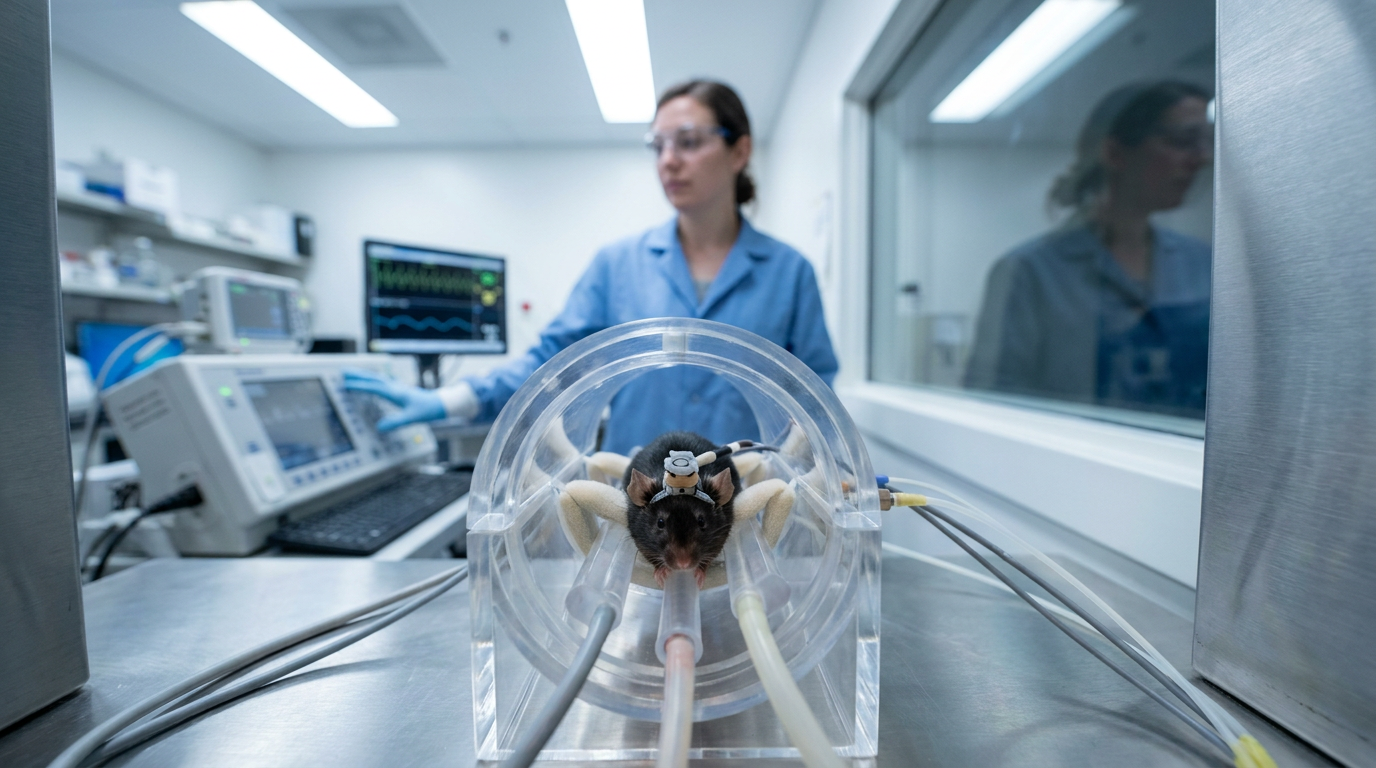
Astrocytic Enzyme Regulates Vascular Stability in Alzheimer's Disease Model
Targeting soluble epoxide hydrolase in astrocytes reduced vascular amyloid burden and preserved vasomotion in amyloidosis mice.

Brainstem Circuit Mediates Slow-Wave Sleep's Anxiety Reduction
A specific GABAergic pathway from the parafacial zone to the ovBNST is identified as crucial for sleep-related anxiolysis.
Physical Frailty Linked to Increased Epilepsy Incidence
A large prospective cohort study identifies physical frailty as an independent risk factor for developing epilepsy.

VR Mirror Feedback Modulates Cortical Activity, Enhancing Motor and Sensory Function
New EEG findings detail how virtual reality-based mirror feedback influences brain oscillations to support rehabilitation.

Tau Aggregates Drive Neuronal Death via ZBP1 Activation in Tauopathies
A new study identifies a molecular cascade where tau aggregates reactivate transposable elements, leading to Z-RNA-ZBP1-mediated neuronal death.
Cortical Stimulation Modulates Hippocampal Activity in Temporal Lobe Epilepsy Mouse Model
A mouse model study identifies intensity-specific effects of cortical electrical stimulation on aberrant hippocampal oscillations and action.

HERMES-24 Score Predicts Outcomes in Real-World Late-Window LVO Patients
A German registry study validates the HERMES-24 score for 90-day functional outcome prediction after endovascular therapy for large vessel occlusion.
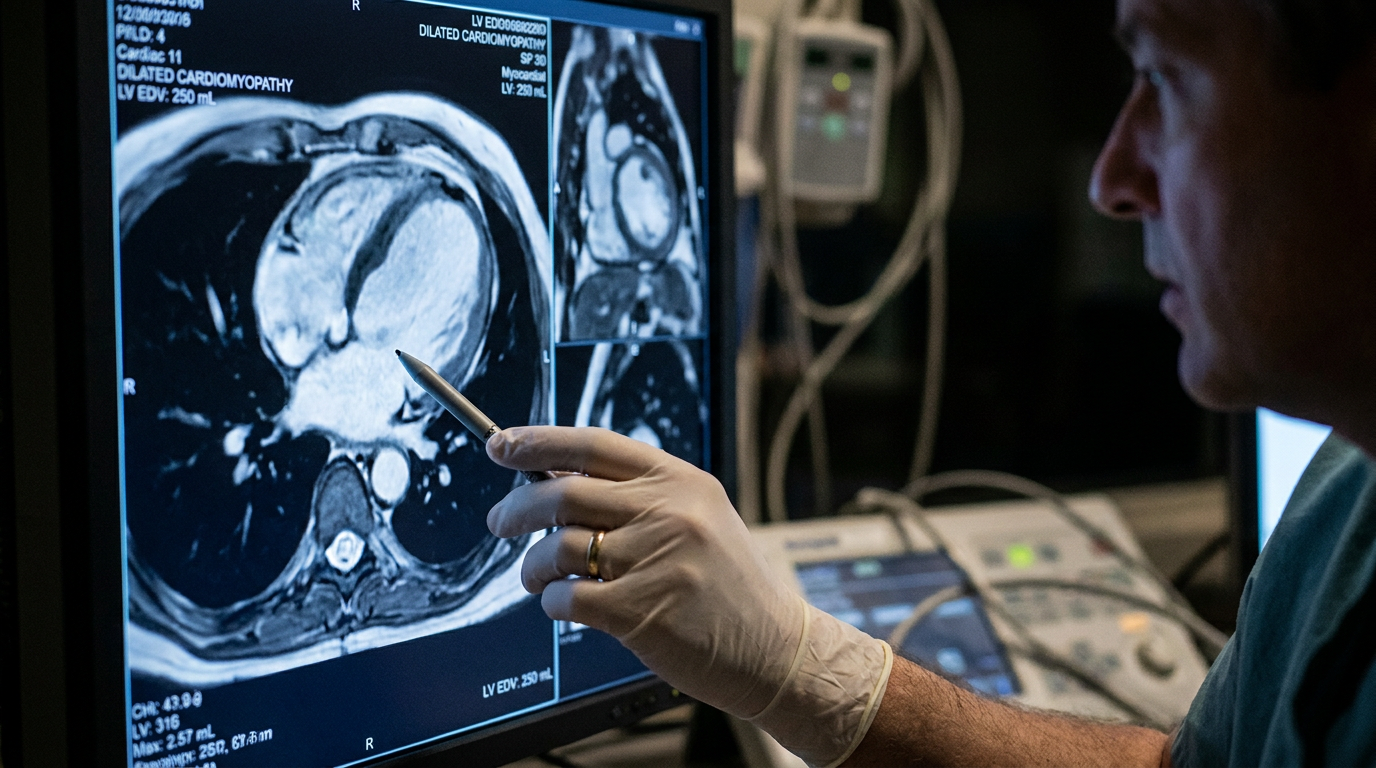
Weight Restoration Reverses Subcortical Limbic Changes in Anorexia Nervosa
Brain volume reductions in AN largely normalize with weight gain, linked to leptin, ghrelin, and neurofilament light changes.