
The Briefing · Psychiatry & Cognitive Neurology
Continuous newsroom coverage of evidence in Psychiatry & Cognitive Neurology — newest first.
Earlier
24 stories-

Multimodal AI System Matches Clinicians in Simulated Telehealth Diagnostics
A new AI system, multimodal AMIE, integrates diverse data types to achieve high diagnostic accuracy and conversational quality in simulated telehealth
-
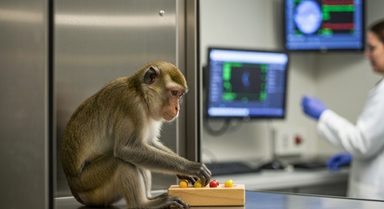
SHANK3 Haploinsufficiency in Macaques Reveals Diverse Behavioral, Cognitive Phenotypes
A new macaque model of SHANK3 haploinsufficiency provides insights into Phelan-McDermid syndrome and potential biomarkers.
-

SSPOP Mutations Linked to Pediatric Epilepsy and Developmental Disorders
Researchers identify pathogenic variants in a supposed pseudogene, expanding the diagnostic landscape for unexplained neurodevelopmental delay.
-

Long-Duration Levodopa Response Distinguishes Parkinson's, Predicts Outcomes
A study details how sustained levodopa motor improvement helps differentiate parkinsonian syndromes and offers prognostic insights for PD.
-

Gender-Affirming Mastectomy Linked to Sustained Satisfaction, Quality of Life
A cross-sectional study finds high patient-reported chest satisfaction and psychological well-being years after gender-affirming mastectomy.
-

Digital and Mixed Interventions Support Physical Activity After Exercise Therapy
An umbrella review suggests digital and mixed delivery methods help patients with chronic conditions maintain physical activity and quality of life.
-

Postpartum Psychosis Heritability Estimated, Specific Risk Genes Identified
New research quantifies genetic contributions to postpartum psychosis and identifies specific genes, including shared pathways with other psychiatric
-
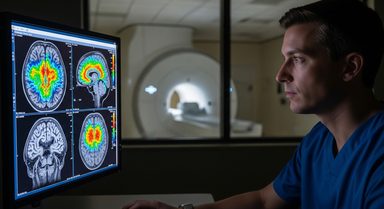
Neuroimaging Biotypes May Guide MDD Treatment, Improve Remission
Functional MRI-derived circuit profiles could personalize major depressive disorder therapy, potentially doubling remission rates.
-
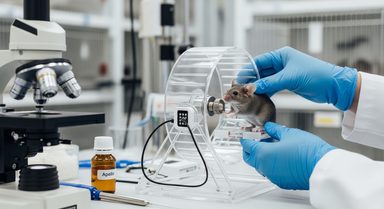
Apelin Mediates Exercise's Antidepressant Effects via Hippocampal NMDA Receptors
A muscle-derived protein, apelin, links physical activity to improved mood and neuroplasticity through a specific brain signaling pathway.
-
Three Genetic Loci Modify Risk and Onset of Inherited Alzheimer's Disease
Specific genetic variants influence disease risk and age of dementia onset in autosomal dominant Alzheimer's disease.
-
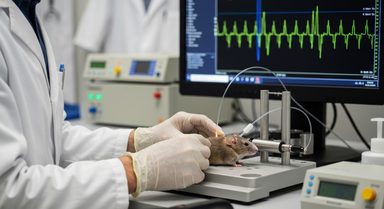
Fentanyl Differentially Modulates Dopamine Patterns, Impairing Reward Seeking in Mice
Acute fentanyl administration simultaneously increases tonic dopamine while reducing phasic dopamine responses to non-drug reward cues.
-

ICU Caregiver Financial Strain Linked to Psychological Distress, Medical Mistrust
A study of 97 ICU caregivers found that over 60% reported difficulty paying for care, correlating with increased anxiety, depression, PTSD, and decisi
-

Secreted GPNMB Drives Alpha-Synuclein Spread in Parkinson's Disease
A new study identifies a microglial-neuronal feedback loop involving GPNMB that exacerbates alpha-synuclein pathology, offering a therapeutic target.
-
Skin Biopsy Distinguishes Body-First from Brain-First Parkinson’s Disease
Cutaneous alpha-synuclein signatures and seeding activity identify divergent pathological origins and autonomic denervation patterns.
-
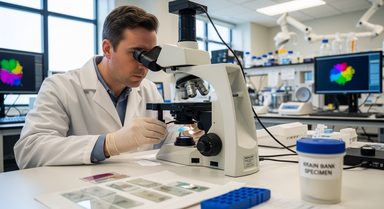
TES Criteria Show Low Accuracy for CTE-NC Diagnosis
A study of 1,038 brain bank cases reveals that traumatic encephalopathy syndrome criteria poorly predict postmortem chronic traumatic encephalopathy.
-

Intracranial Stimulation Prevents Attentional Lapses in Children
A new study identifies a real-time neural signature for attentional control, enabling targeted intervention to improve attention shifts.
-
Recent Trauma Exposure Linked to Increased V1 Thickness, Independent of PTSD Symptoms
A two-sample study identifies greater V1 thickness in recently trauma-exposed individuals, a finding distinct from PTSD symptom severity.
-

Hippocampal Lesions Reduce Visual Working Memory Precision in Epilepsy Patients
Postoperative hippocampal damage selectively degrades memory quality rather than quantity, offering a marker for functional monitoring.
-

Reduced ULK1 Links Impaired Cellular Clearance to Alzheimer's Pathology
Lower levels of ULK1 correlate with Alzheimer's disease, and its upregulation improves pathology and cognition in animal models.
-

Thalamic Connections to Medial Prefrontal Cortex Predict Impulsivity
A new study links specific thalamic subregions, defined by cortical connectivity, to individual differences in delay discounting.
-

Thalamic-MPFC Connectivity Linked to Individual Differences in Impulsivity
A new study identifies specific thalamic subregions connected to the medial prefrontal cortex as structural correlates of delay discounting.
-
Prefrontal GABAergic Synaptic Plasticity Regulates Cognitive Flexibility
A new study identifies a specific long-range inhibitory synaptic mechanism in the prefrontal cortex crucial for adapting to changing rules.
-

Nitrous Oxide Addiction Linked to DCN-VTA Circuit, AMPA Receptor Potentiation
A new study identifies how nitrous oxide directly enhances AMPA receptor function in the DCN-VTA circuit, mediating its rewarding effects.
-
Nitrous Oxide Reward Driven by DCN-VTA Circuit, AMPA Receptor Potentiation
A new study in animal models identifies the specific neural circuit and molecular mechanism underlying nitrous oxide's rewarding effects.